
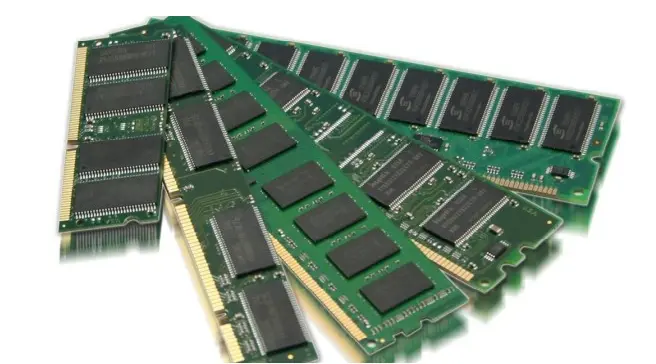
Lenovo warns that memory costs will stay elevated for the foreseeable future, forcing buyers to rethink how they build or upgrade systems. This shift means that simply adding more RAM or storage will not solve performance bottlenecks as it might have in previous years. Users need to adjust their expectations for hardware value as the market stabilizes at a higher price floor.
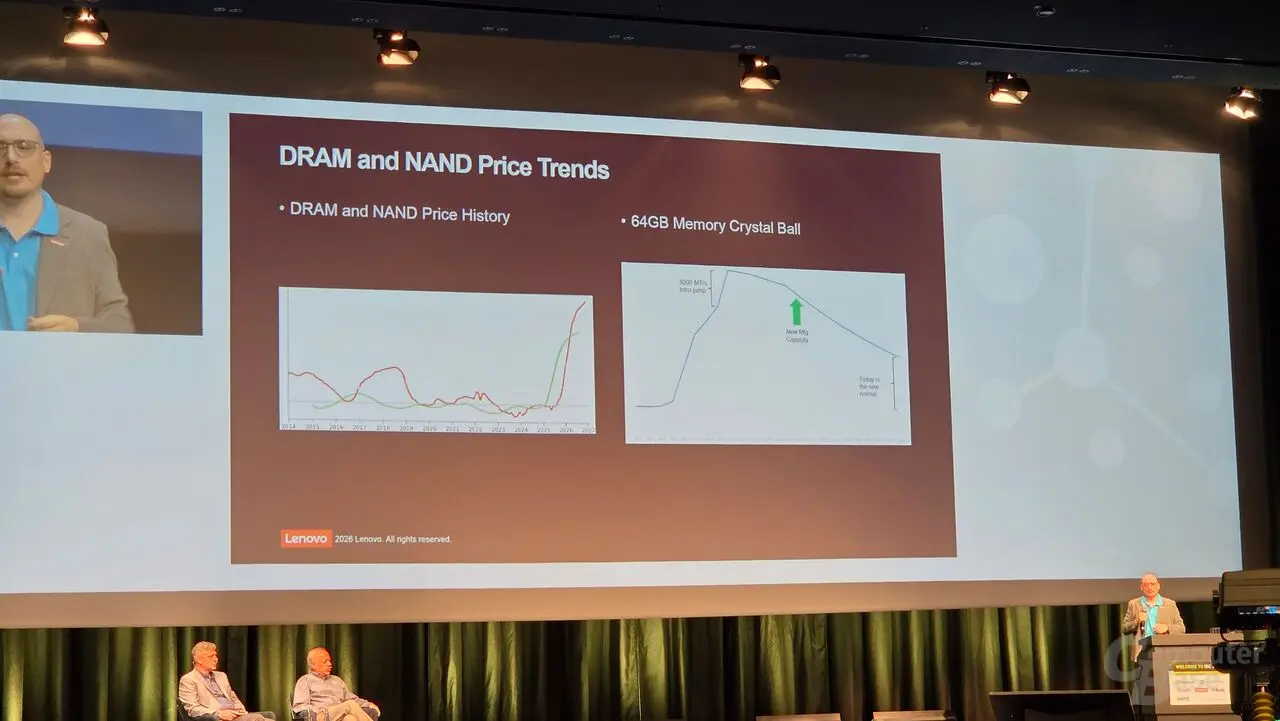
Lenovo warns buyers to rethink system builds as memory costs stay elevated
The company shared these insights at the ISC 2026 conference, focusing on the long-term trajectory of DRAM and NAND flash markets. Lenovo argues that the industry is moving away from the low-price cycles of 2024 and 2025. This structural change affects everyone from enterprise buyers to individual consumers looking to assemble desktops or laptops.
Production capacity adjustments are already underway to meet sustained demand, with SK Hynix planning to triple its output by 2034. Despite this massive expansion, prices are projected to remain significantly above recent levels even after new facilities come online around 2028. The supply chain is responding to volume needs rather than trying to drive prices down through oversupply.
Lenovo advises customers to prioritize total memory capacity in their system purchases to mitigate potential future constraints. The company suggests that GPU-accelerated solutions may offer better value than trying to maximize memory capacity for many applications. This strategy helps users avoid paying premium prices for storage that may not directly improve their specific workload performance.


Discussion
0 comments
Log in to join the thread with a thoughtful take, question, or correction.