
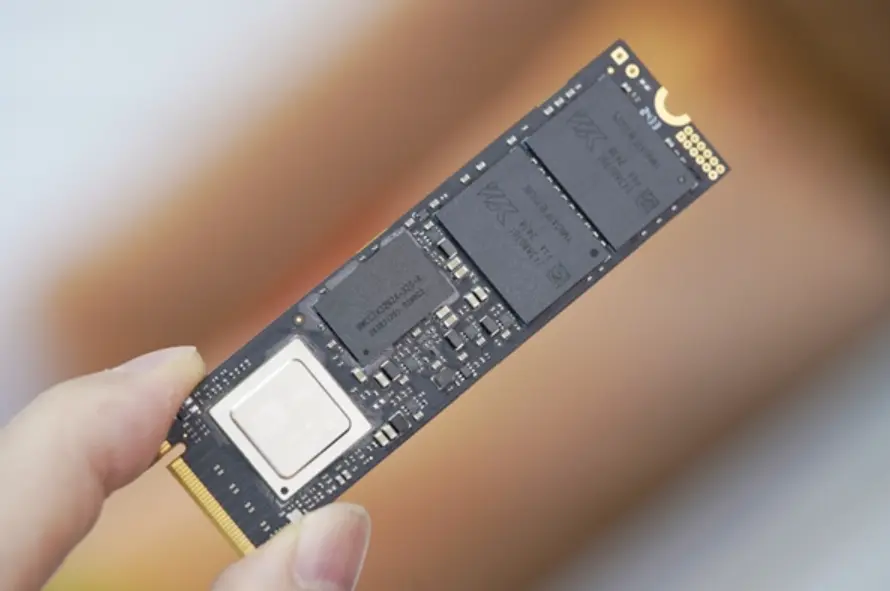
Storage chip buyers should expect to pay premium prices for the next several years, as Lenovo projects that high costs for DRAM and NAND will persist until 2030 and beyond. This long-term outlook stems from a persistent imbalance between supply and demand that shows no signs of resolving in the near future. The prediction means that consumers and enterprises will not see a return to the lower price points observed in early 2025.
Lenovo predicts persistent supply-demand imbalance will keep costs elevated
Lenovo delivered this analysis at the ISC 2026 conference, framing the current market conditions as a structural shift rather than a temporary shortage. The company identified a fundamental mismatch in the storage sector that is driving prices upward. This perspective places Lenovo among the major industry voices assessing the hardware supply chain.
Major manufacturers including Samsung, SK Hynix, and Micron are actively expanding their production capacity to meet growing needs. SK Hynix is specifically accelerating its long-term roadmap with a goal to triple its capacity by the 2030s. Micron has publicly stated that it cannot fully fulfill orders for its strategic core customers due to existing shortages.
Despite these significant expansion efforts, Lenovo warns that the increased capacity may not close the supply gap in the short term. The company expects prices to remain elevated as the industry struggles to catch up with demand. This suggests that the high-cost environment will continue to affect the market well into the next decade.

Discussion
0 comments
Log in to join the thread with a thoughtful take, question, or correction.