
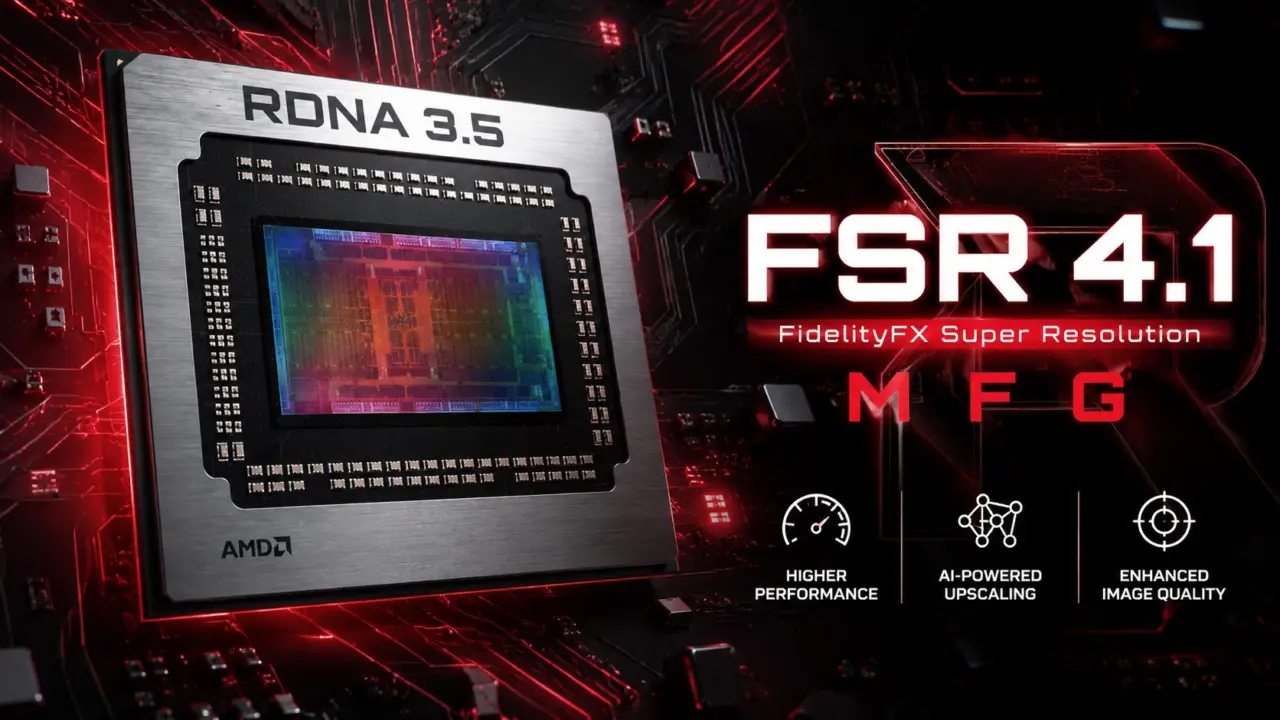
Gamers using AMD graphics cards have a new reason to check their system settings after Valve accidentally released an early build of FidelityFX Super Resolution 4.1.1 INT8. This leaked software update suggests that upcoming upscaling features may support newer hardware architectures that were previously thought to be incompatible. Users who rely on image quality enhancements in supported titles can now test this build to see if it improves performance on their specific GPU. The discovery matters because it challenges earlier assumptions about hardware support timelines and offers a potential path for performance gains on recent AMD silicon.
Early build testing reveals RDNA 3.5 support despite lack of official confirmation
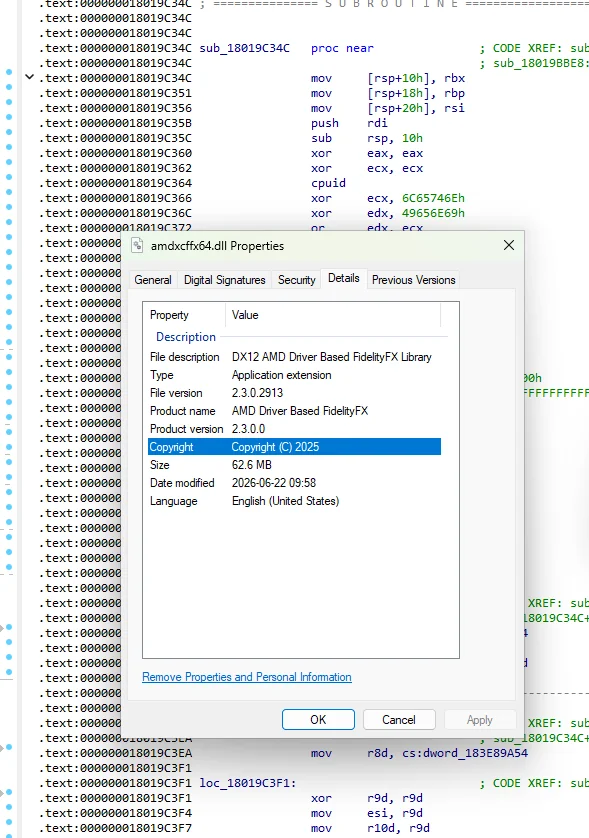
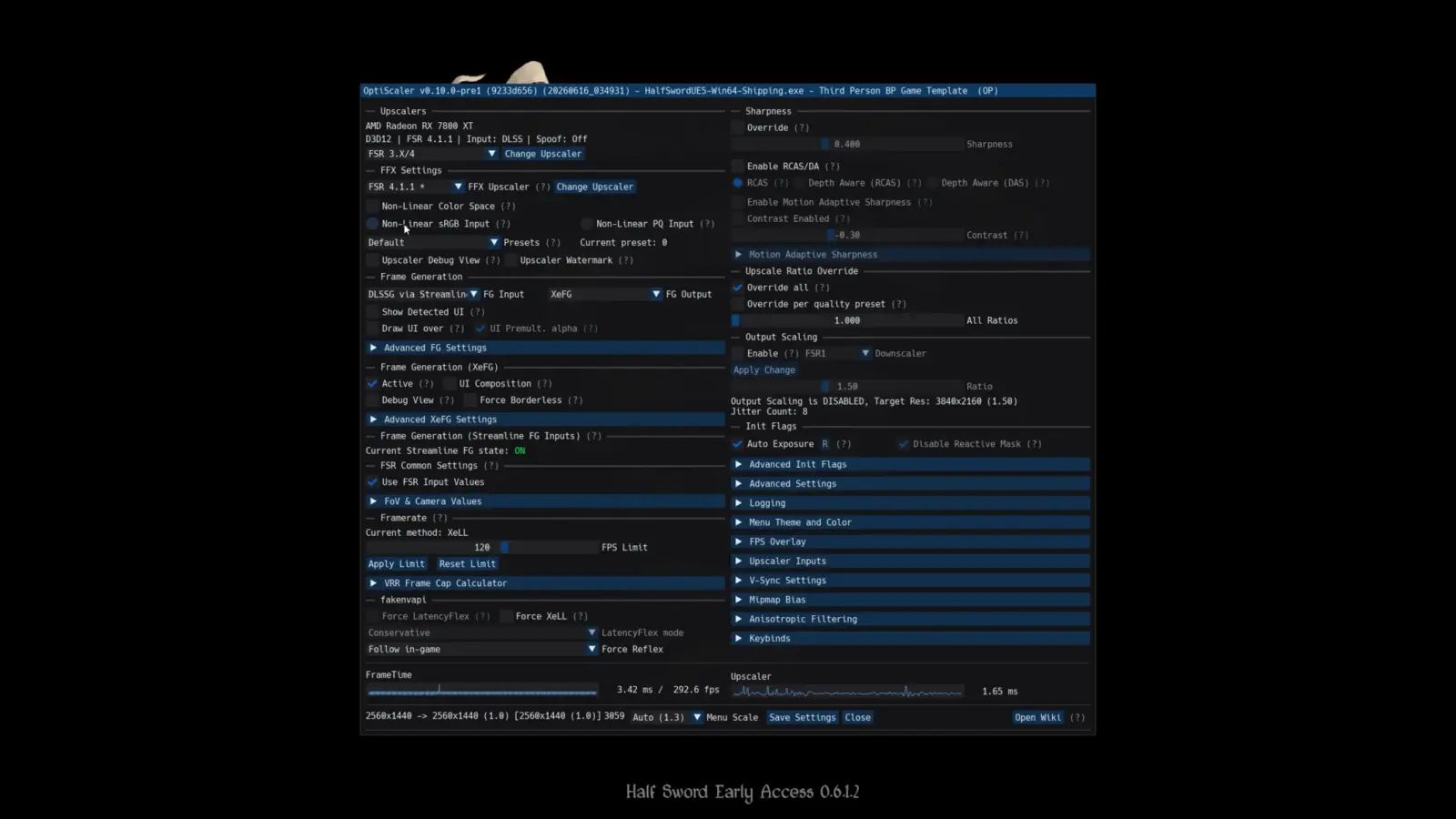
The leaked file involves the amdxcffx64.dll component, which functions as part of the FSR 4.1.1 INT8 implementation. Valve distributed this build through the Proton Experimental depot before quickly removing it from public access. A user managed to download the file and integrated it into their testing environment using OptiScaler. This method allows the software to interface with the graphics driver and apply the upscaling algorithm during gameplay. The process highlights how experimental software can bypass official release channels to reach end users.
Testing results indicate that the leaked INT8 model operates on RDNA 3.5, RDNA 3, and RDNA 2 GPU architectures. Users running RDNA 3 hardware, such as the RX 7800 XT, reported stable operation without significant issues. RDNA 2 devices, including the RX 6900 XT, also executed the software, though testers noted visible visual artifacts during rendering. These findings contradict previous reports that suggested FSR 4 would not support the RDNA 3.5 architecture. The presence of artifacts on older hardware suggests that the INT8 model may require specific optimizations for different generations of silicon.
AMD has not officially confirmed support for RDNA 3.5 with the FSR 4 suite, leaving the current status of this compatibility unverified. The silence from the chipmaker contrasts with the active testing performed by independent users on the leaked build. This discrepancy creates uncertainty for users considering whether to adopt this experimental configuration for daily use. The lack of official endorsement means that performance gains or visual issues may not be resolved in future stable releases. Users should treat these findings as preliminary data rather than a guaranteed feature set.
When we covered the last fidelityfx super resolution (fsr) update, several of the same balance and stability themes came up. The current leak continues to highlight the tension between rapid software development and hardware compatibility verification. The community response to this leak demonstrates the demand for consistent upscaling support across diverse AMD GPU generations. Until AMD provides official guidance, the RDNA 3.5 support remains a subject of user testing and speculation rather than confirmed capability.

Discussion
0 comments
Log in to join the thread with a thoughtful take, question, or correction.