
Intel plans to re-enter the memory chip market, a sector it abandoned four decades ago, by introducing two new stacked memory technologies designed for artificial intelligence workloads. This move signals a strategic pivot for the chipmaker, which previously exited DRAM production in 1985 and later sold its NAND flash business to SK Hynix. The new technologies, XBM and ZAM, aim to address the growing demand for high-bandwidth memory in AI applications, particularly for KV cache operations. Buyers interested in next-generation AI hardware should watch these developments closely, as they may reshape the competitive landscape for memory suppliers.
Intel plans to re-enter the memory chip market, a sector it abandoned four decades ago, by introducing two new stacked memory technologies designed for artificial intelligence workloads.
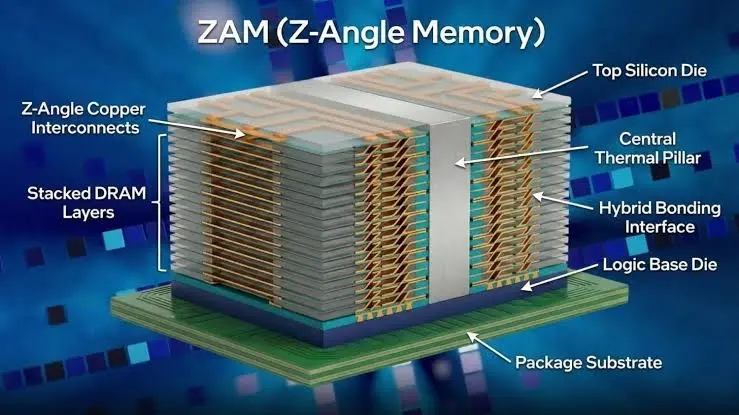
The company is developing two distinct memory architectures to replace or supplement existing high-bandwidth solutions. XBM technology places transistors on the backside of memory chips to provide a high-bandwidth alternative to current HBM designs. ZAM technology uses bonding techniques to stack multiple layers of DRAM, creating a denser memory solution. Intel developed ZAM in collaboration with a SoftBank subsidiary, highlighting a partnership approach to this complex engineering challenge.
- XBM Technology: Transistor-backside high-bandwidth memory, HBM alternative
- ZAM Technology: Stacked DRAM using bonding technology for higher density
- ZAM Release Window: 2029-2030
- XBM Release Window: Early 2030s
Both technologies target the specific needs of AI training and inference, where memory bandwidth and density are critical bottlenecks. XBM is designed to offer a different physical architecture compared to traditional stacked memory, potentially offering cost or performance advantages. ZAM focuses on increasing density through vertical stacking, which could allow for larger memory capacities in the same footprint. These designs reflect Intel's attempt to leverage its manufacturing expertise to compete in a market dominated by other specialized memory makers.
The timeline for these products extends well into the future, indicating a long-term strategic bet rather than an immediate market release. ZAM memory is expected to hit the market between 2029 and 2030, giving Intel several years to refine the bonding technology. XBM is scheduled for release in the early 2030s, following a similar development cycle. This long lead time suggests that Intel is preparing for a future where AI memory demands have evolved significantly from current standards.
Industry observers note that Intel has a history of entering industries at their peak and exiting during downturns, raising questions about market timing. Some critics suggest that Intel might miss the current market peaks when these technologies finally launch, potentially facing saturated conditions or price wars. Despite these concerns, the announcement marks a significant return to a core semiconductor category for the company. The success of XBM and ZAM will depend on Intel's ability to execute its manufacturing plans and meet the specific needs of AI developers.


Discussion
0 comments
Log in to join the thread with a thoughtful take, question, or correction.