
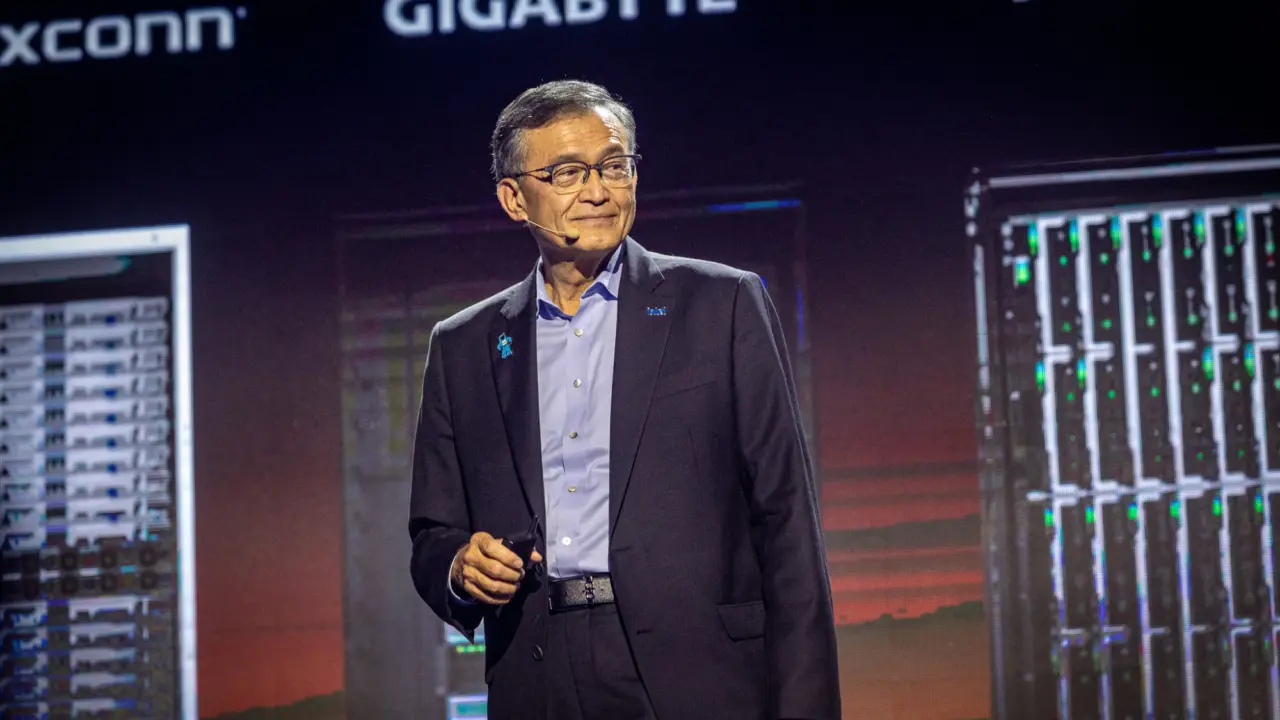
Intel is shifting its strategic focus back toward memory technology, a move that could reshape the hardware landscape for data centers and high-performance computing. CEO Lip-Bu Tan signaled that the memory sector has evolved from a simple commodity business into a critical area for innovation. This pivot matters to buyers because it suggests future Intel processors may integrate memory differently, potentially altering performance benchmarks and system design requirements.
Intel explores new memory architecture and CPU stacking
The announcement centers on Intel’s internal research into new memory architectures and the physical integration of memory with central processing units. Tan described these efforts as a personal project, indicating a high level of executive priority and resource allocation. The company is exploring ways to stack memory directly on top of CPUs, a technique that could reduce latency and increase bandwidth for AI workloads.
Key to this strategy is the hiring of Seok-Hee Lee, the former head of SK Hynix, to lead these new initiatives. Tan cited Lee’s appointment as a clear signal of Intel’s intent to re-enter the memory manufacturing or architecture space. The CEO noted that while the company is not ready to reveal full details, the direction is set and involves significant technical restructuring.
This development marks a departure from Intel’s long history in the memory market, where it exited DRAM production in the 1980s and later abandoned its Optane and 3D NAND efforts. The renewed interest comes as DRAM and 3D NAND manufacturers have seen strong profitability, making memory a more attractive investment than in previous decades. Industry observers view this as a response to the growing data demands of artificial intelligence applications.
We have been tracking Intel closely and covered recent shifts in their AI inference strategies in our earlier coverage on Intel CEO. The company’s move to integrate memory more tightly with compute units aligns with broader industry trends toward heterogeneous computing. This approach aims to solve bottlenecks that currently limit the efficiency of large-scale AI training and inference tasks.

Discussion
0 comments
Log in to join the thread with a thoughtful take, question, or correction.