
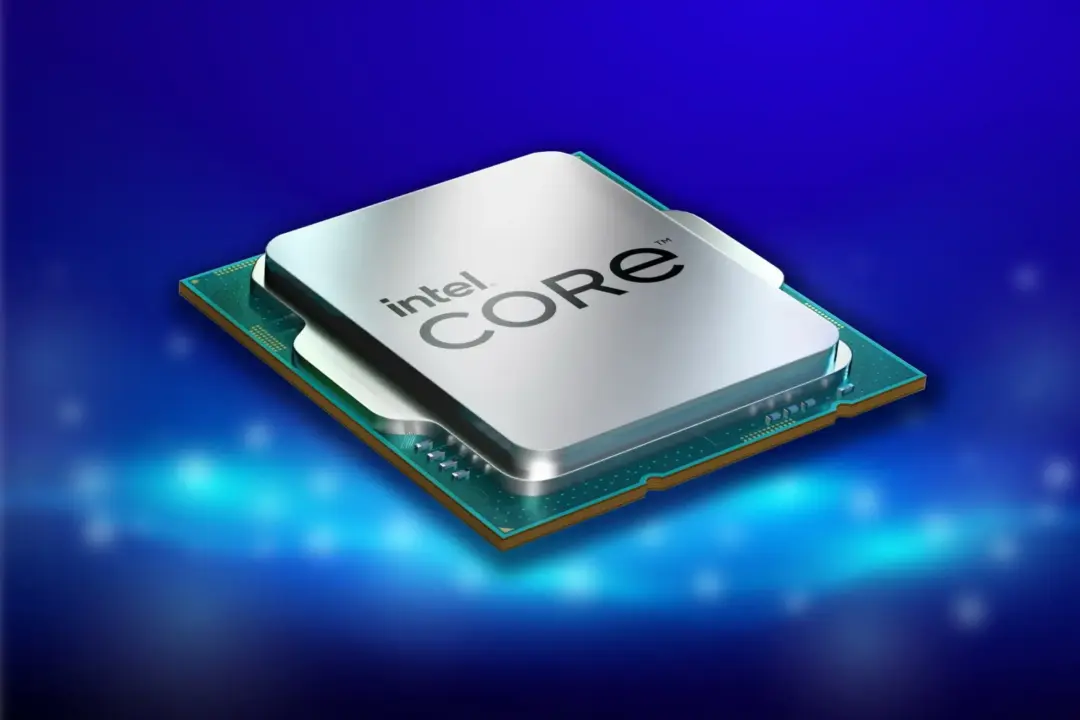
Intel plans to release four new processor architectures over the next three years. The roadmap includes Nova Lake, Razor Lake, Titan Lake, and Moon Lake. Supply chain reports indicate the company will maintain an annual microarchitecture update cycle. This strategy aims to keep pace with competitors in the desktop and mobile markets.
Titan Lake launches in 2028 abandoning P/E core split for unified Copper Shark cores
Nova Lake-S arrives in the second half of 2026. The flagship models feature a 288MB cache. The chip uses Coyote Cove performance cores and Arctic Wolf efficiency cores. Razor Lake follows in the fourth quarter of 2027. It maintains pin compatibility with Nova Lake. The platform upgrades to Griffin Cove and Golden Eagle cores for better instruction per clock performance.
Spec comparison
| Spec | Nova Lake-S | Razor Lake | Titan Lake | Moon Lake |
|---|---|---|---|---|
| Architecture | Coyote Cove (P) / Arctic Wolf (E) | Griffin Cove (P) / Golden Eagle (E) | Unified Copper Shark | All E-cores |
| Cache | 288MB (Flagship) | Not specified | Not specified | Not specified |
| Socket Compatibility | N/A | Pin-compatible with Nova Lake | N/A | N/A |
| GPU Integration | Integrated | Integrated | NVIDIA RTX GPU Tile | Integrated |
| Availability | 2026 H2 | 2027 Q4 | 2028 | 2028 |
Titan Lake launches in 2028. Intel abandons the traditional performance and efficiency core split. The architecture uses unified Copper Shark cores. It also integrates NVIDIA RTX GPU tiles. This move targets AMD Strix Halo high-end APUs. Moon Lake also arrives in 2028. It replaces Twin Lake with an all-efficiency core design for low-power devices.
DIGITIMES and KuaiKeJi provided the details on these upcoming platforms. The reports suggest Intel has eliminated product delays. This claim relies on supply chain assertions rather than official Intel roadmaps. The annual update schedule remains unconfirmed by the vendor.

Discussion
0 comments
Log in to join the thread with a thoughtful take, question, or correction.