
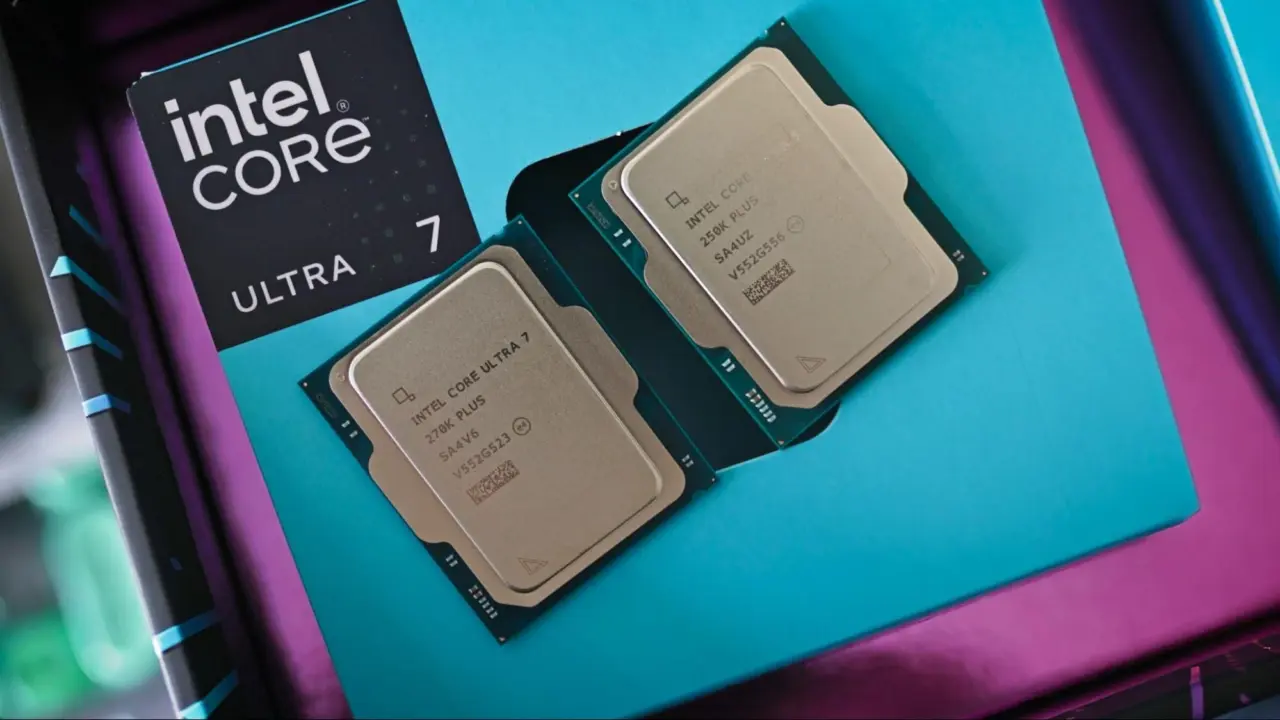
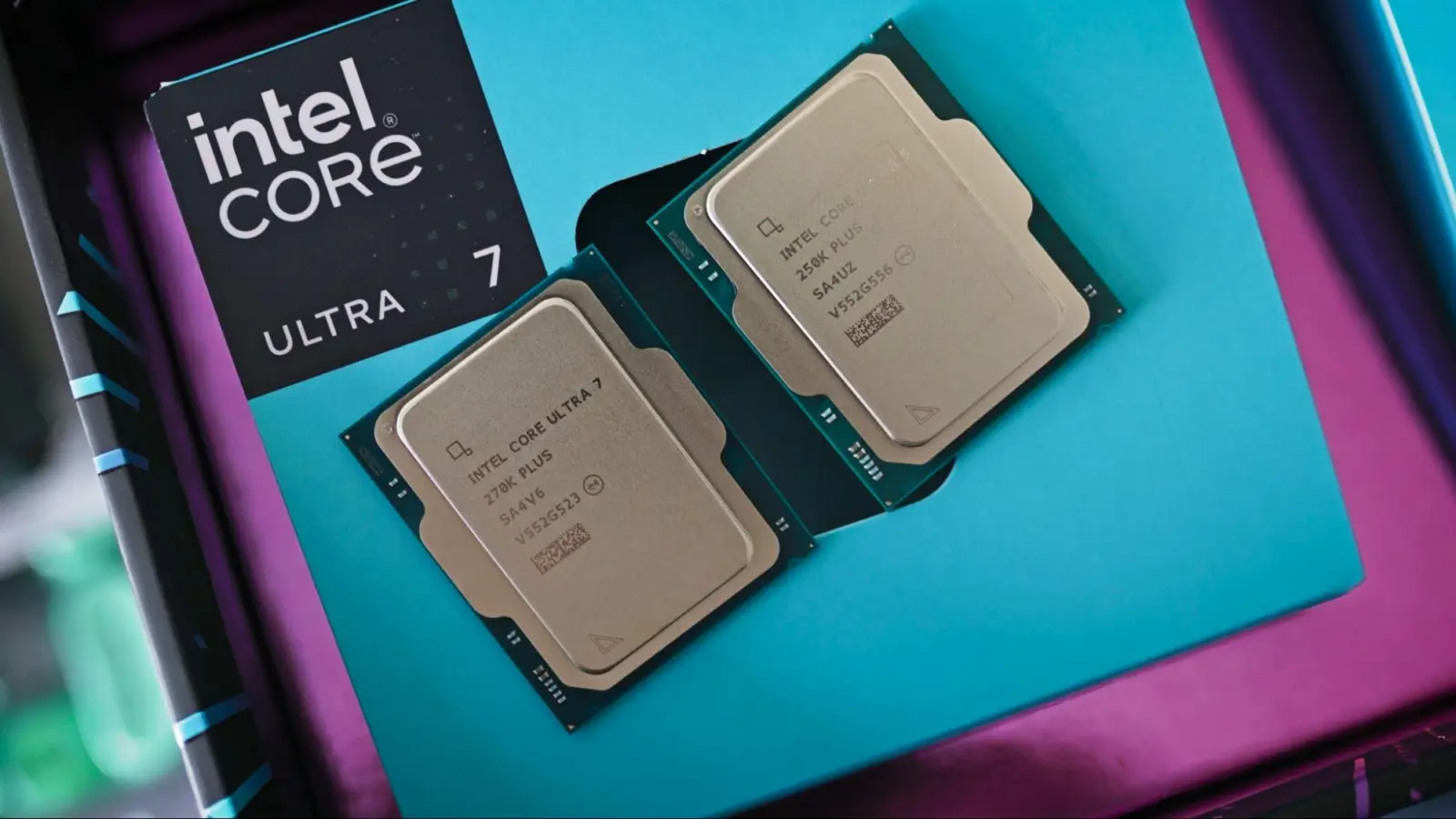
Intel is adjusting its CPU pricing strategy to rebuild its reputation after the original Arrow Lake lineup underperformed in gaming benchmarks. The company introduced lower-cost refresh models, including the Core Ultra 7 270K Plus and Core Ultra 7 250K Plus, aimed at restoring consumer confidence. These chips deliver faster game and application performance than the higher-priced Core Ultra 9 285K while costing half as much.
Lower-cost Core Ultra refresh models aim to rebuild consumer trust after underwhelming gaming metrics in the original lineup.
The Arrow Lake Refresh lineup targets desktop enthusiasts and gamers seeking value without sacrificing performance. Intel's Nish Neelalojanan, senior director of product management for Client Computing Group, emphasized that the aggressive pricing is a deliberate step to regain trust in the gaming market. The refresh models are positioned as a bridge between current hardware and future architectural improvements.
Technical details highlight the efficiency gains in the Arrow Lake Refresh chips. Both the Core Ultra 7 270K Plus and 250K Plus offer improved performance per dollar compared to the flagship Core Ultra 9 285K. The updated processors retain support for current LGA 1851 motherboards, enabling upgrades without requiring a new motherboard.
Intel's roadmap extends beyond the current refresh to include Nova Lake, slated for launch at the end of 2026. Rumors suggest Nova Lake will feature a 'big last-level cache' (bLLC) architecture designed to compete directly with AMD's X3D gaming chips. The design improvements target earlier shortcomings in tasks requiring quick response times.
The company has not yet disclosed specific pricing or availability dates for the Arrow Lake Refresh models beyond confirming their lower cost relative to existing parts. Industry observers anticipate the new processors will debut during Computex 2026 events, followed by wider consumer sales in the coming months. Intel's focus on value-first positioning signals a strategic pivot from previous premium-only approaches.
Intel acknowledges that the original Arrow Lake launch damaged its reputation among enthusiasts due to underwhelming gaming metrics. The new pricing strategy represents a direct response to consumer feedback and competitive pressure from AMD. By prioritizing affordability, Intel aims to stabilize its market share while developing next-generation architectures.
Discussion
0 comments
Log in to join the thread with a thoughtful take, question, or correction.