
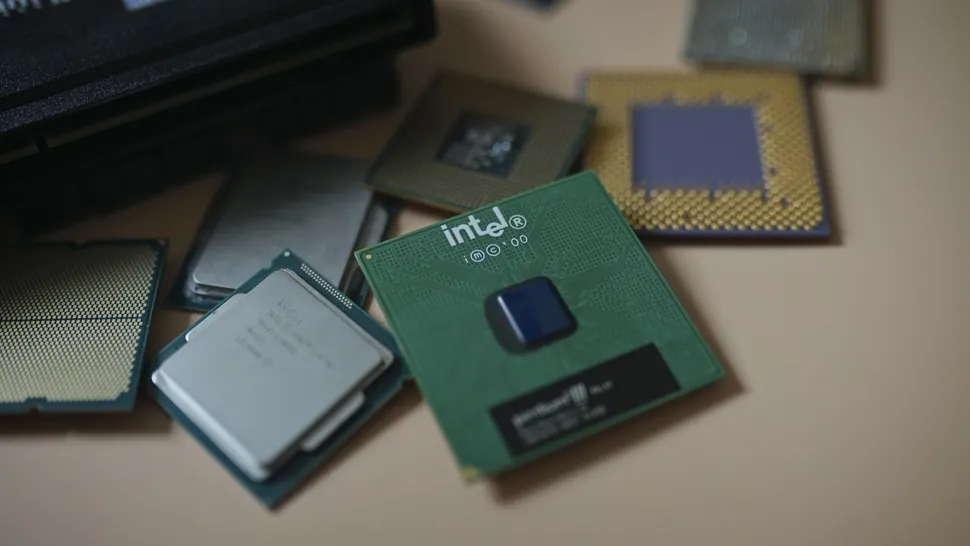
Intel is reshaping its desktop processor strategy to prioritize gaming enthusiasts, a move that directly impacts buyers waiting for the next generation of high-performance CPUs. The company confirmed that its upcoming Nova Lake architecture will launch on desktops before reaching the datacenter market, signaling a clear shift in development priorities. This reversal of the typical server-first rollout allows PC gamers to access new technology earlier, addressing long-standing concerns about Intel's focus on enterprise clients over consumer hardware.
Intel VP Hallock confirms desktop priority for next-gen architecture
Robert Hallock, Intel's Vice President, leads the restructured desktop CPU team and emphasized that the company is developing new cores specifically for this segment. He stated that the desktop version of the new core will come first, encouraging hardware enthusiasts to compare performance and value against competitors. Intel is also releasing the Arrow Lake Refresh, including the Core Ultra 5 250K Plus and Core Ultra 7 270K Plus, to restore trust in its gaming lineup. These refreshes serve as immediate updates while the more significant Nova Lake architecture prepares for its desktop debut.
The new Nova Lake core, rumored to be codenamed Coyote Cove, represents a fundamental architectural change for Intel's high-end desktop processors. Hallock confirmed that Intel has a roadmap of new CPUs for gamers and desktop users extending through 2030, indicating a sustained commitment to this market. The company is bringing in a new organization with significant budget and personnel changes to improve release speed and value for consumers. This restructuring aims to streamline development and ensure that desktop offerings remain competitive in a rapidly evolving hardware landscape.
Intel's commitment to the desktop market extends beyond just new silicon, as the company positions these updates as essential for maintaining relevance in PC gaming. Hallock noted that the roadmap for the desktop high-end market remains unchanged, providing stability for enthusiasts planning their next upgrades. The focus on value and performance comparisons with AMD suggests a more aggressive pricing and feature strategy for upcoming releases. Gamers and desktop users can expect a clearer path to high-performance computing as Intel aligns its resources with consumer demand.
We have been tracking Nova Lake closely and see our earlier coverage on Intel Desktop Gaming Roadmap Reveals Arc as relevant context for this shift. Intel's desktop CPU team restructuring and new core development mark a tangible step toward better value for enthusiasts. The desktop-first strategy for Nova Lake and the immediate availability of Arrow Lake Refresh products provide clear options for buyers. Intel aims to improve release speed and value, ensuring that desktop users benefit from continued innovation through 2030.

Discussion
0 comments
Log in to join the thread with a thoughtful take, question, or correction.