
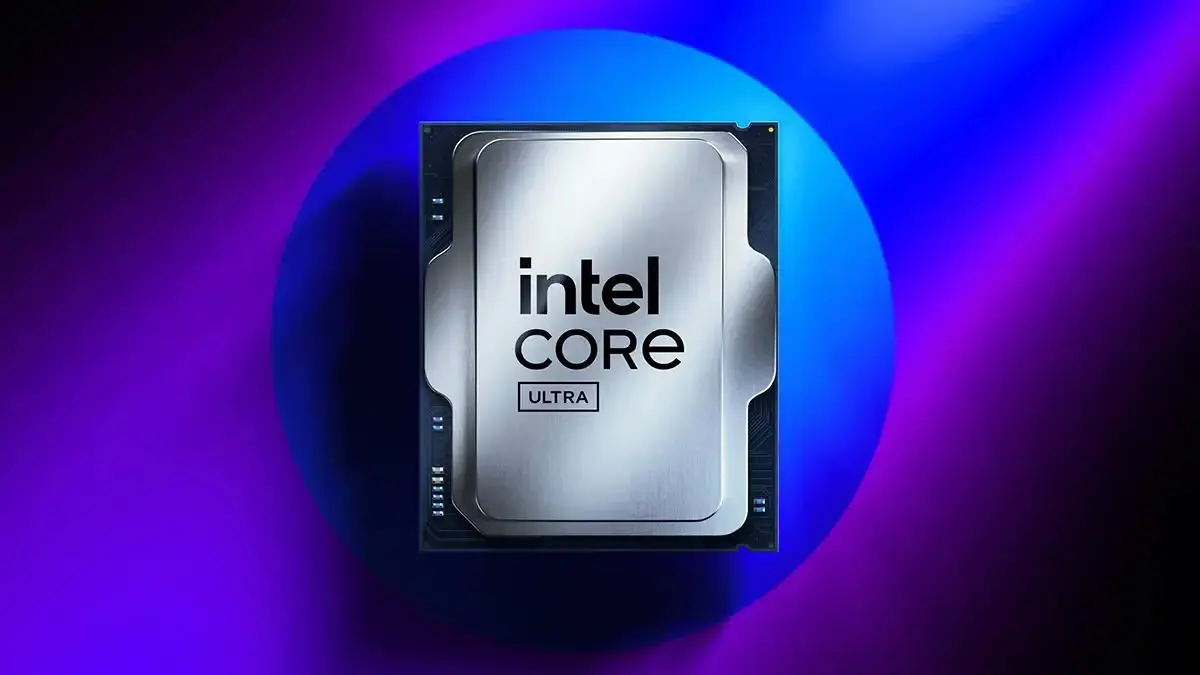
Intel is preparing a significant shift in its desktop processor lineup with the upcoming Nova Lake-S architecture, known internally as the Core Ultra 4000 series. This leak matters because it signals a direct challenge to AMD's 3D V-Cache technology through new cache configurations. Buyers looking for high-end desktop performance will see a new tier of processors designed to compete more aggressively in gaming and heavy workloads.
Flagship chip features 28 cores and bLLC cache to challenge AMD
The leaked lineup includes several distinct models, led by the Core Ultra 9 4970K BFC. This flagship chip features a complex core count of 28, split between 8 performance cores, 16 efficient cores, and 4 low-power efficient cores. Intel also lists the Core Ultra 9 4950K with 24 cores, though it lacks the specialized cache found in the BFC variants. The Core Ultra 7 4870K BFC and the lower-power Core Ultra 9 4900 BFC round out the high-end options.
Spec comparison
| Spec | Core Ultra 9 4970K BFC | Core Ultra 9 4950K | Core Ultra 7 4870K BFC |
|---|---|---|---|
| Cores | 28 (8P + 16E + 4LPE) | 24 (8P + 16E) | 24 |
| bLLC Cache | Yes | No | Yes |
| TDP | 125W | Not specified | Not specified |
| iGPU EU | 32 | Not specified | Not specified |
A defining feature of the BFC models is the inclusion of bLLC, or large last-level cache. The Core Ultra 9 4970K BFC pairs its 28 cores with this enhanced cache architecture while maintaining a standard 125W TDP. However, power consumption can spike significantly under load, with reports indicating a PL2 power draw of up to 296W. The integrated graphics on the flagship model also include 32 execution units.
The meaning of the 'BFC' suffix remains unconfirmed, though the presence of bLLC suggests a focus on cache-heavy performance. Intel has not yet set an official release date, but previous reports predict a launch in the first quarter of 2027. No pricing information is currently available for these processors. The leak establishes the technical baseline for Intel's next major desktop refresh.
This leak provides the first concrete details on Intel's strategy to counter AMD's cache advantages. The inclusion of bLLC in multiple models indicates a broad architectural change rather than a niche offering. Enthusiasts should expect a competitive landscape in 2027 as Intel finalizes these specifications.


Discussion
0 comments
Log in to join the thread with a thoughtful take, question, or correction.