

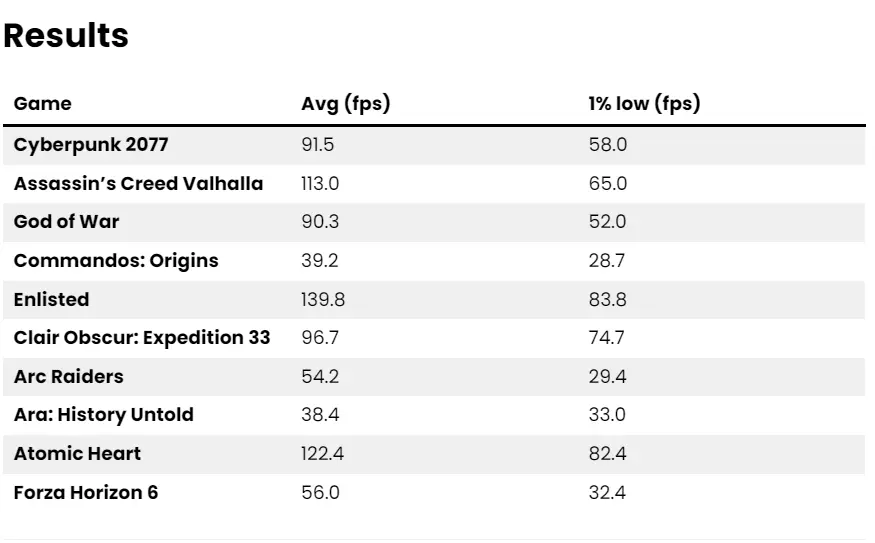
Gamers who still own older systems are finding that a nine-year-old processor can handle modern titles better than expected. Club386 ran the Intel Core i7-7700K through ten games released between 2020 and 2026, revealing that age does not automatically rule out playable performance. Six of those titles maintained stable frame rates above 90 FPS on high or ultra settings. This result matters because it shows a budget upgrade path for users who want to stretch the life of existing hardware instead of buying new platforms.
Legacy processor maintains playable performance across several recent releases despite age
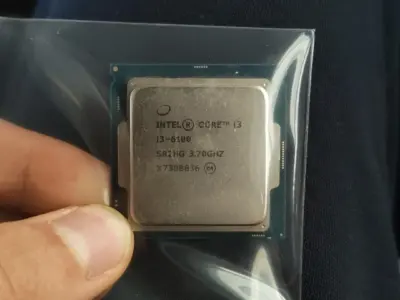
The evaluation focused on the Intel Core i7-7700K, released in early 2016 as a four-core processor featuring hyper-threading technology. This CPU utilizes an older microarchitecture that does not natively include the advanced instruction sets present in recent processors. The testing setup combined this processor with modern GPUs to determine how significantly the CPU constrained performance in various game types. This setup highlights where older processors still hold up and where they struggle against newer software demands.

The i7-7700K delivered solid results in titles like Cyberpunk 2077 when running with XeSS technology enabled. Atomic Heart also ran smoothly on the hardware without major stutters or frame drops. For highly optimized titles, the system managed performance effectively by shifting processing tasks to the graphics card, preventing severe CPU limitations. These cases prove that software optimization can sometimes compensate for aging silicon.

Heavily CPU-bound scenarios exposed the limits of the nine-year-old design. Assassin’s Creed Valhalla and Arc Raiders showed significant bottlenecks where frame rates dropped below comfortable levels. In demanding scenarios, the CPU showed limitations in handling complex physics simulations, rendering commands, and system overhead. Players expecting consistent performance across all modern releases should temper their expectations for this older model.
We looked at Asus TUF Gaming 16 Revealed with on a related angle earlier this month, which shows how new platforms handle similar workloads differently than legacy hardware. The benchmark results confirm that the Core i7-7700K remains viable for select titles but faces clear constraints in demanding scenarios.
Owners of this legacy CPU can achieve playable performance in select modern titles by upgrading to a more powerful graphics solution. Others looking to upgrade should consider whether their current CPU will hold back newer hardware before committing to a full platform change.
Discussion
0 comments
Log in to join the thread with a thoughtful take, question, or correction.