
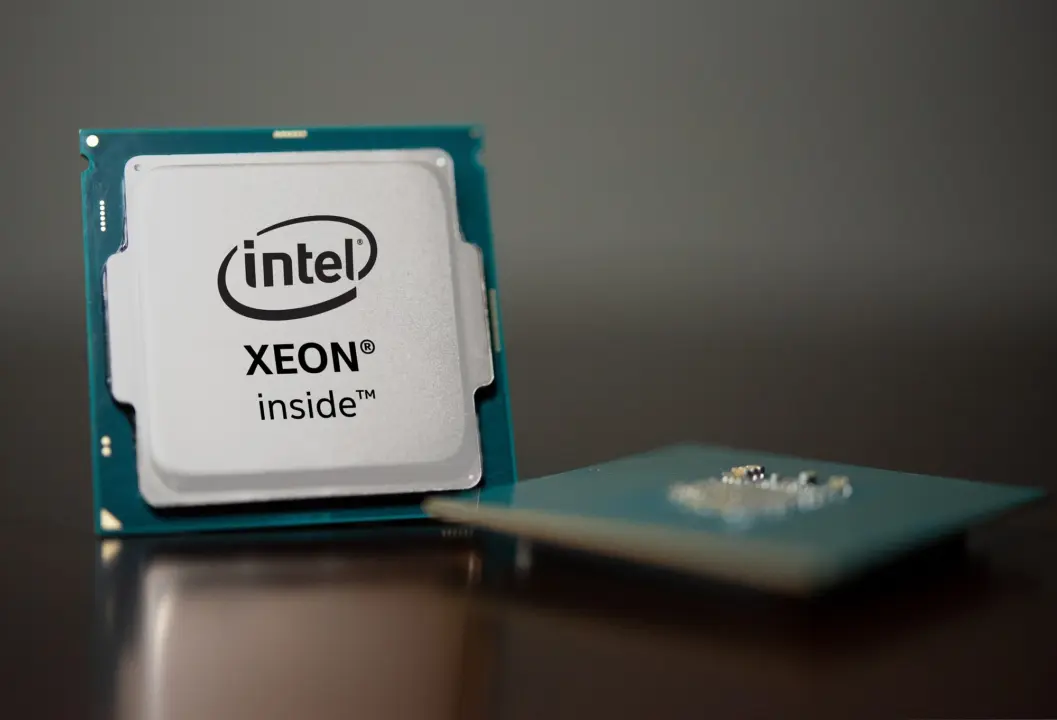
Intel has quietly removed native TensorFloat-32 support from its upcoming Xeon Diamond Rapids platform, effectively canceling a key feature designed to accelerate AI workloads. This decision means developers and enterprise users can no longer rely on hardware-level acceleration for this specific data format. The change alters the performance expectations for systems built around this processor line. Buyers planning to deploy these chips for AI training or inference must now adjust their software strategies.
Intel removes native TF32 support from Xeon Diamond Rapids
The Xeon Diamond Rapids architecture was intended to integrate the Advanced Matrix Extensions system with native TF32 capabilities. Engineers had spent significant time adapting the GCC compiler to support this instruction set. The removal of this feature signals a shift in how Intel plans to handle matrix operations in its data center CPUs. This platform remains a central part of Intel's server roadmap despite these internal cuts.
The programming reference manual for the Xeon Diamond Rapids series now omits all descriptions of the AMX-TF32 instruction set. Documentation for user timer events and interrupt specifications has also been deleted from the latest release. Engineers are actively stripping away the adaptation code that was previously written for the GCC compiler. These technical updates reflect a complete rollback of the feature from the software development cycle.
Intel attributes this cancellation to the absence of mass-production hardware that actually implements the AMX-TF32 functionality. The company previously canceled the AMX-TRANSPOSE instruction set, which suggests a broader pattern of setbacks in its AI instruction set roadmap. These repeated cancellations impact the long-term stability of the platform's feature set. Attention now turns to the remaining matrix extension features that remain supported.
When we covered the last xeon update, several of the same balance and stability themes came up. These updates underscore the difficulties involved in integrating advanced hardware functionalities into the product roadmap. Intel remains focused on the Diamond Rapids release schedule while accommodating these structural changes to the processor design. The final product will likely ship without the originally planned TF32 acceleration.
Intel has confirmed the termination of the AMX-TF32 instruction set for the Xeon Diamond Rapids platform. All related documentation and compiler support code have been removed from the development pipeline. The cancellation stems from a lack of mass-production hardware to support the feature. This development represents a further modification to Intel's long-term strategy for its server processor lineup.

Discussion
0 comments
Log in to join the thread with a thoughtful take, question, or correction.