
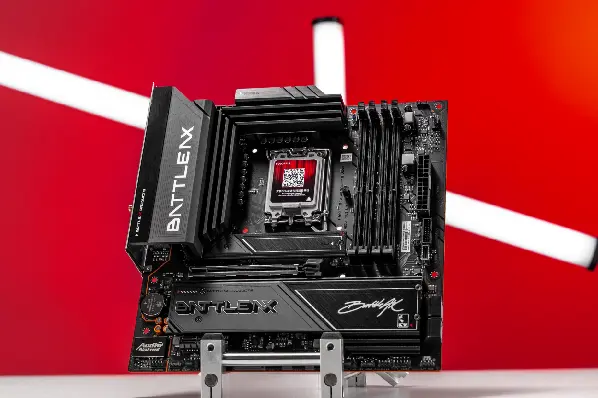
Intel platforms deliver cleaner audio than AMD systems when running heavy workloads, a finding that matters to gamers and creators using high-speed storage and networking. TechPowerUp tested this difference and confirmed that Intel hardware avoids the audio popping and stuttering that sometimes disrupts AMD builds under similar stress. Users who rely on precise audio timing during intense sessions will notice the stability gap immediately.
Hardware QoS on Intel platforms prevents audio stuttering during heavy system loads
The analysis focuses on motherboard audio codecs like the Realtek ALC4080 and ALC4082, which support 32-bit/384kHz audio and DSD decoding on both platforms. These chips handle the digital-to-analog conversion, but the underlying data path differs significantly between the two vendors. Intel places the High Definition Audio (HDA) unit on the Platform Controller Hub (PCH) southbridge, while AMD integrates the HDA directly into the CPU die.
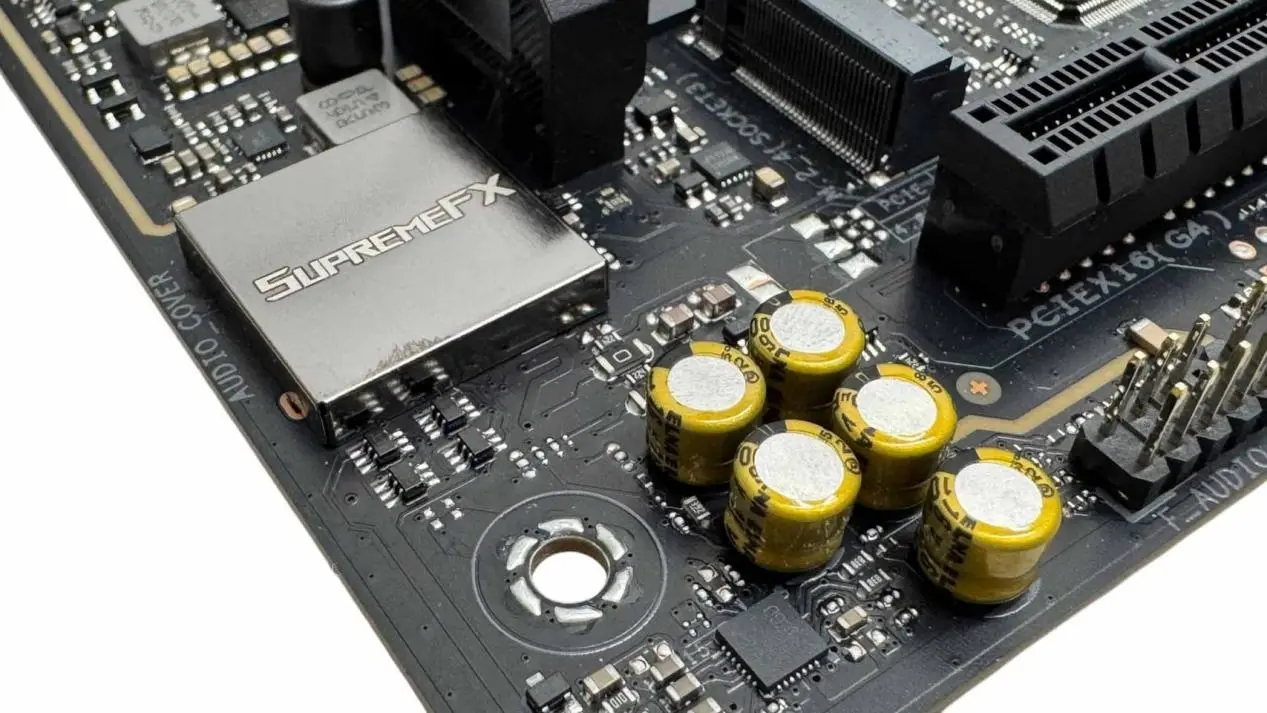
Intel uses the Direct Media Interface (DMI) to connect the CPU to the PCH, wrapping standard PCIe in a protocol layer that provides hardware-level Quality of Service (QoS). This QoS mechanism prioritizes latency-sensitive isochronous data like audio streams, allowing them to bypass congestion caused by NVMe drives or SATA RAID controllers. AMD connects its chipset (FCH) to the CPU via standard PCIe without any audio priority mechanisms, leaving audio data vulnerable to queuing delays.
High bandwidth operations such as large NVMe file transfers combined with Wi-Fi 7 downloads trigger Deferred Procedure Call (DPC) latency spikes on AMD systems. These spikes interrupt audio data flow when the chipset bus saturates, resulting in audible popping or stuttering. Some high-end AMD motherboards attempt to mitigate this by using older HDA codecs, though connecting USB audio chips directly to AMD native CPU interfaces only slightly improves the issue without fully resolving it.
TechPowerUp stated in their report that the difference is not mysticism and that Intel platform audio performance is indeed better than AMD under load. We looked at motherboard audio architectures earlier while tracking these chipset design trends. Intel’s architectural choice to isolate audio traffic on the PCH side provides a more reliable experience for latency-sensitive applications compared to AMD’s integrated approach.
Discussion
0 comments
Log in to join the thread with a thoughtful take, question, or correction.