
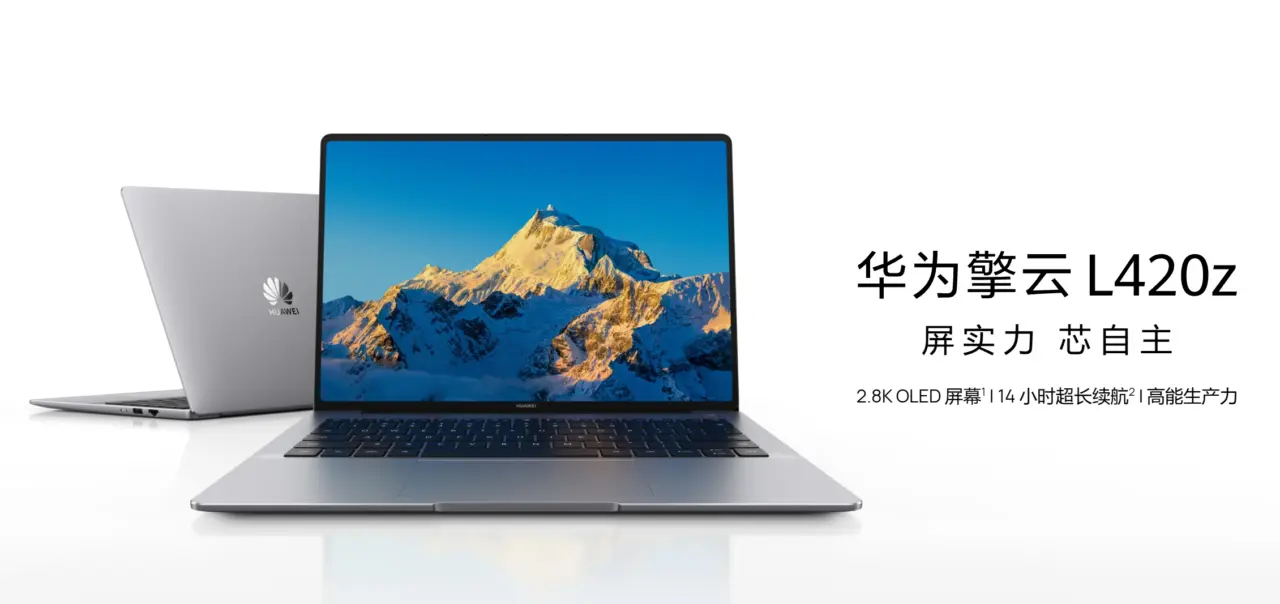
Huawei has released the Qingyun L420z, a business laptop designed for the Chinese government and enterprise markets. The device matters because it completes a fully domestic supply chain, replacing foreign components with local alternatives. This shift ensures compliance with national security requirements for sensitive sectors.
Domestic chip and Kylin OS target Chinese government buyers
The laptop runs on a domestic processor, though Huawei has not disclosed the specific chip model. It pairs this hardware with either Kylin OS or UnionTech UOS. This software configuration targets users who require certified domestic operating systems for official work.
Specifications
- Display: 14.2-inch OLED, 2880×1920, 120Hz, Touch
- Processor: Domestic chip (model unspecified)
- Memory: LPDDR5x Quad-channel
- Operating System: Kylin OS or UnionTech UOS
- Battery: 70Wh
The screen is a 14.2-inch OLED panel with a 3:2 aspect ratio. It offers a resolution of 2880×1920 and supports a 120Hz refresh rate. The display also includes touch functionality for direct interaction.
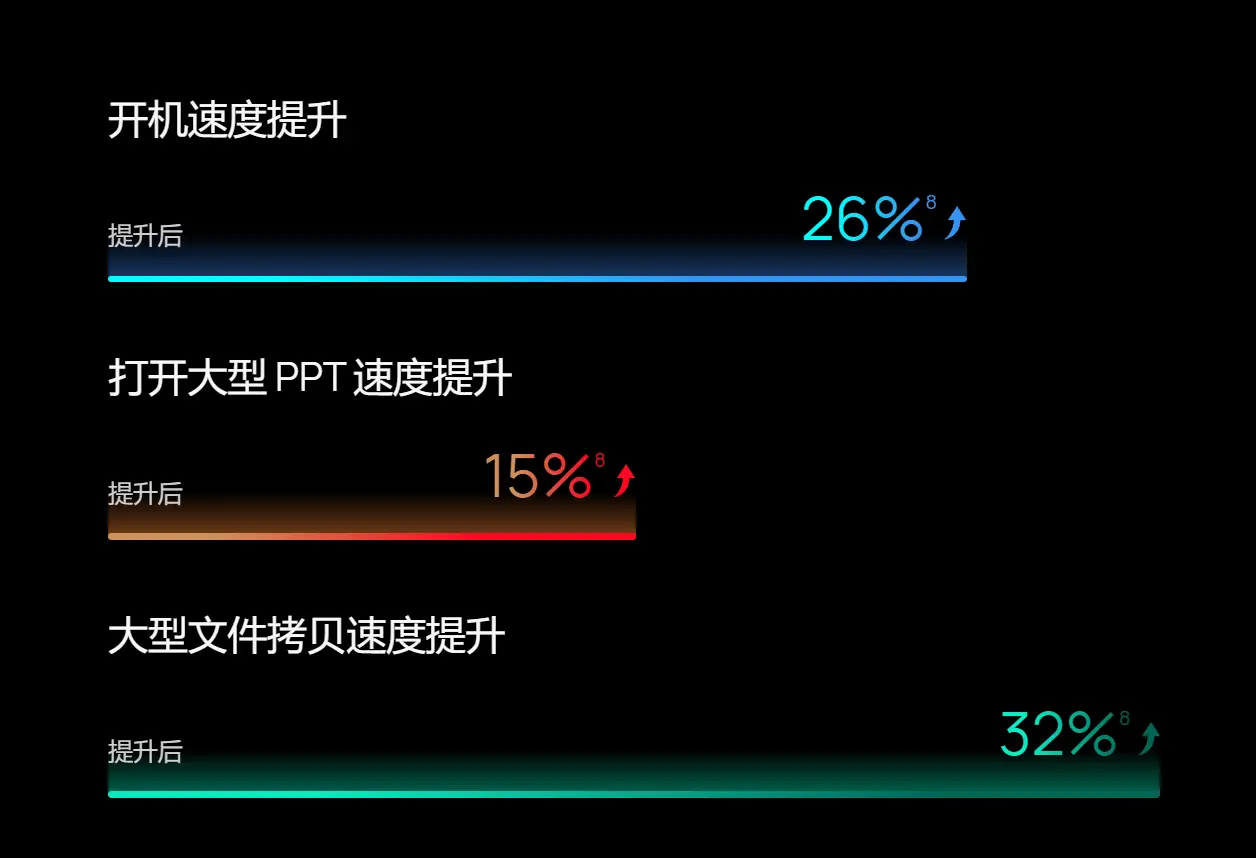
Huawei claims the new machine boots 26% faster than the previous generation. Large PPT files open 15% quicker, and large file copies are 32% faster. The laptop weighs 1.32kg and measures 14.5mm thick.
The device includes a 70Wh battery that supports up to 14 hours of local 1080p video playback. It connects via Wi-Fi 6 and Bluetooth 5.2. The unit undergoes military-grade reliability testing to meet GJB 150 standards.
The Qingyun L420z targets government and enterprise buyers who need certified domestic hardware. Huawei positions this model as a reliable replacement for foreign laptops in sensitive sectors. The launch marks a step toward full supply chain independence for business computing.
Discussion
0 comments
Log in to join the thread with a thoughtful take, question, or correction.