
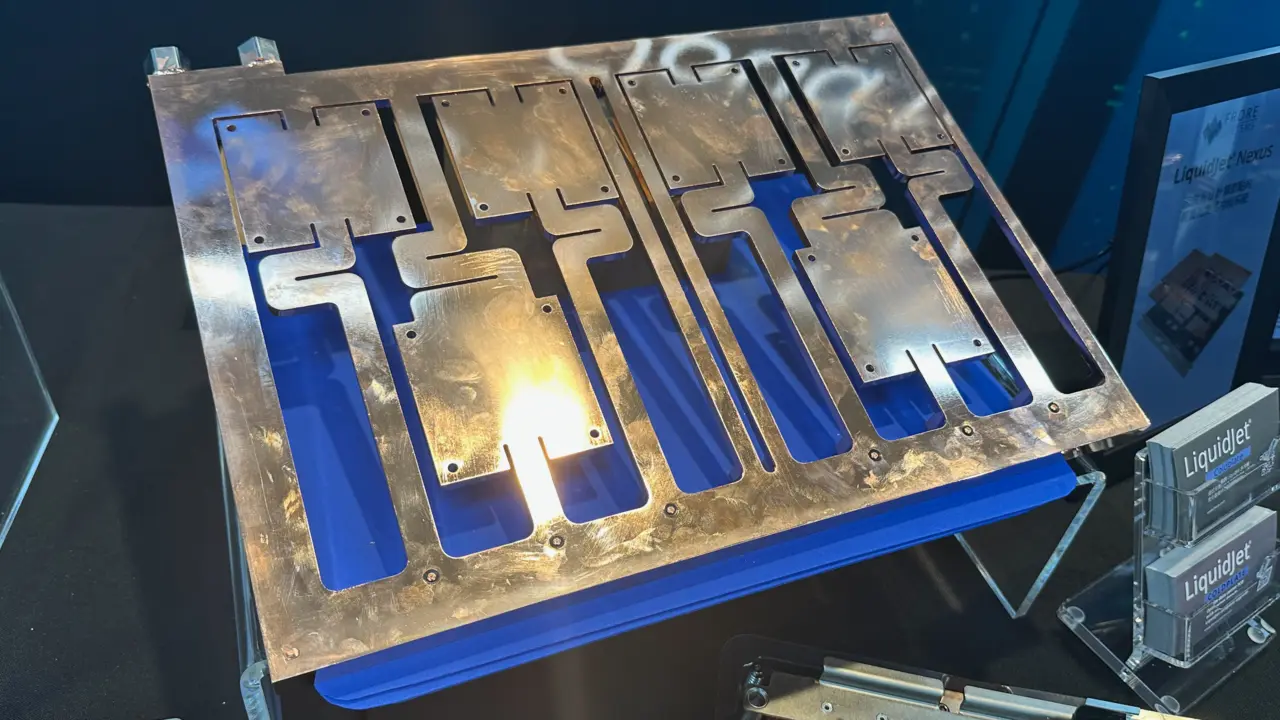
Frore Systems released a white paper analyzing how its LiquidJet cooling technology can improve the efficiency of Nvidia Rubin AI accelerators. This matters because hyperscalers are looking for ways to squeeze more performance out of their data centers without increasing power consumption. The company claims that better thermal management directly translates to higher token generation efficiency for large language models.
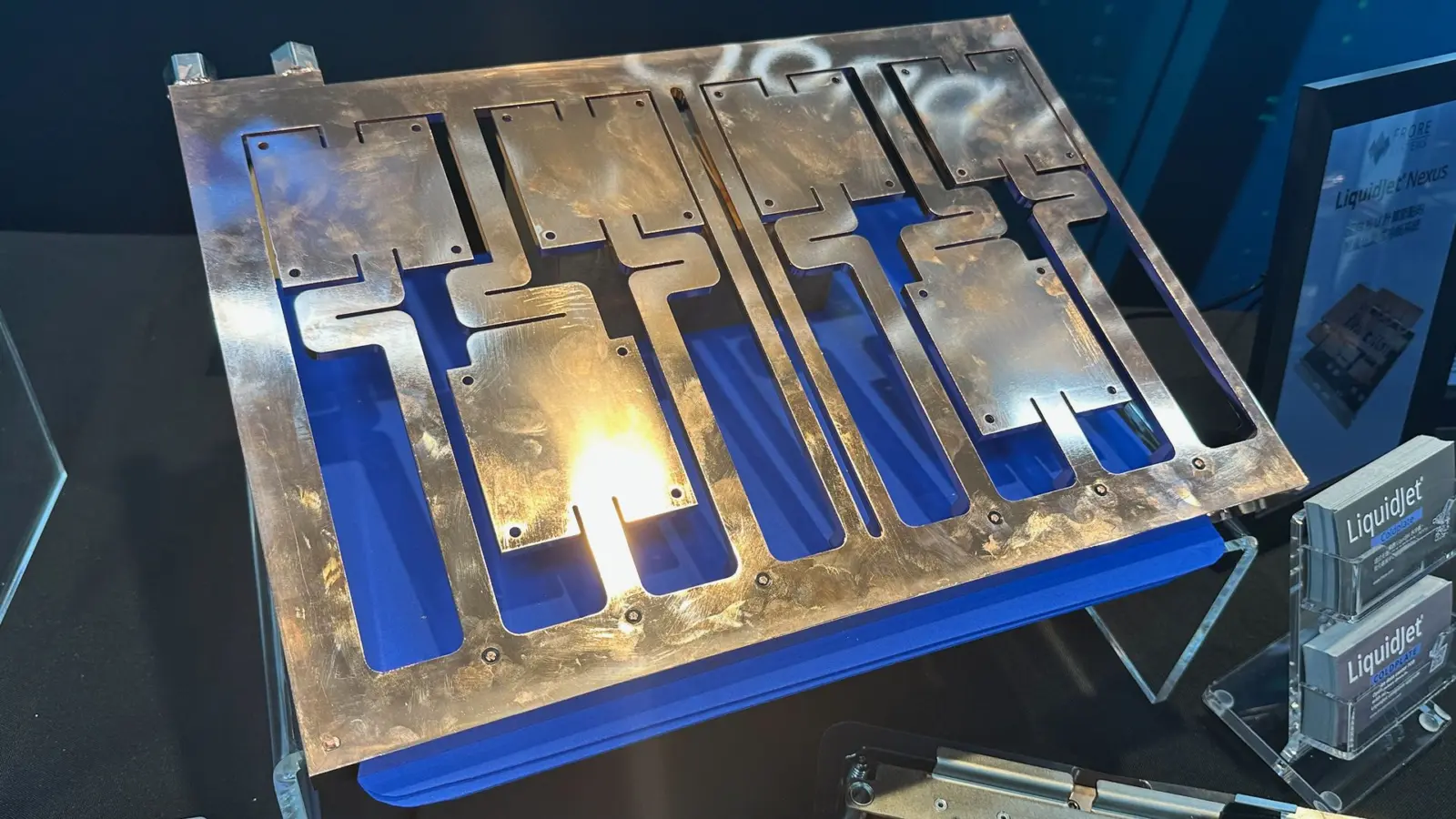
White paper claims thermal improvements boost token generation efficiency
The core of the analysis focuses on the Nvidia Rubin GPU, which serves as the next-generation AI accelerator for major cloud providers. Frore argues that current cooling solutions struggle to keep junction temperatures low enough to maximize performance. Their LiquidJet coldplate is designed to address this bottleneck by actively managing the heat generated by the silicon.
- Temperature Reduction (LiquidJet): 6°C to 12°C
- Performance Gain (LiquidJet): 10% to 25% improvement in tokens/Watt
- Token Generation Boost: Approximately 15%
- Temperature Reduction (Delidded): Up to 20°C
- Performance Gain (Delidded): Up to 35% improvement in tokens/Watt
According to the white paper, the LiquidJet coldplate can lower the junction temperature of the Rubin GPU by 6°C to 12°C. This thermal improvement is significant because transistor leakage power approximately doubles for every 10°C increase in junction temperature. By keeping the chip cooler, the system reduces wasted energy and improves the tokens per watt metric by 10% to 25%.
The report also explores the potential of delidding the Rubin package, which removes the integrated heatspreader to dramatically lower thermal resistance. This modification can reduce junction temperatures by up to 20°C and potentially improve tokens per watt by up to 35%. However, the analysis notes that delidded GPUs have lower mechanical reliability and become more vulnerable to cracking during installation.
LiquidJet changes the economics of mechanical chilling by lowering the break-even Coefficient of Performance (COP) from approximately 6.7 to around 4.1. This shift makes it more economically viable for data centers to use efficient chillers to maintain optimal operating temperatures. We've been tracking LiquidJet closely — see our earlier coverage on NVIDIA Rubin Ultra HBM Downgrade.
The performance and thermal claims in the white paper are based on an analytical thermal model rather than experimental results. Frore Systems has not yet provided empirical data to validate these specific temperature reductions or efficiency gains. The industry will need to wait for real-world testing to confirm if these theoretical improvements hold up in production environments.
Discussion
0 comments
Log in to join the thread with a thoughtful take, question, or correction.