
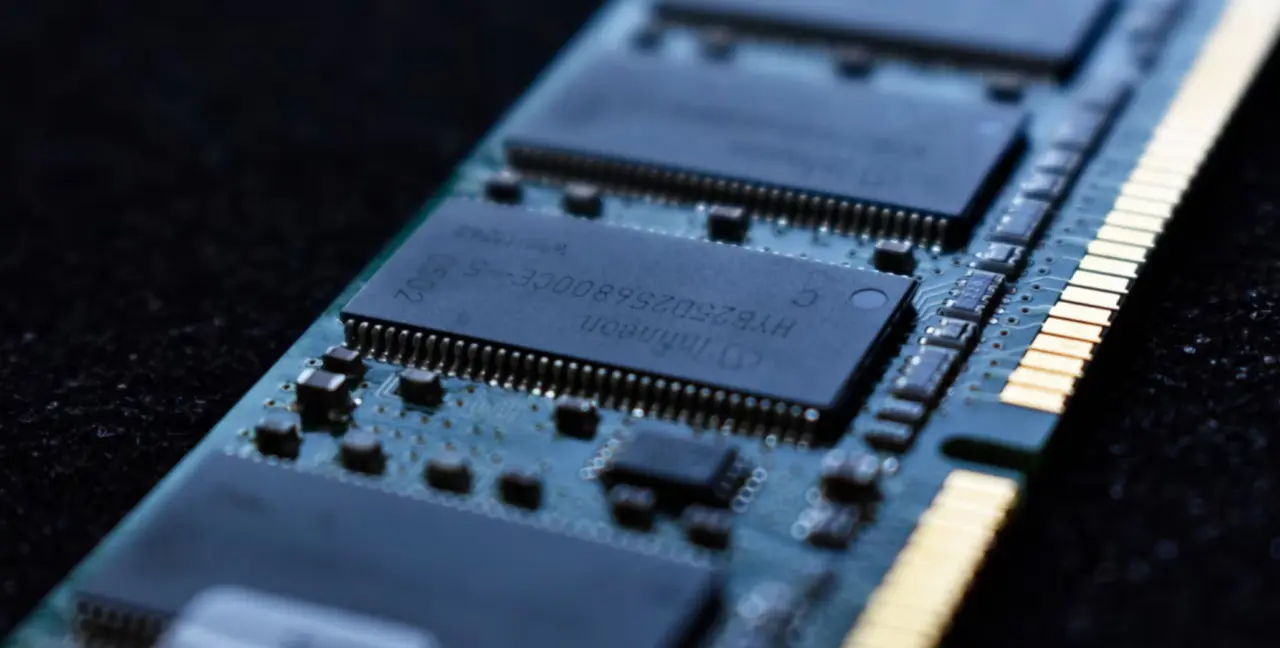
DDR2 memory prices are climbing sharply, a shift that affects anyone maintaining legacy industrial or embedded systems. The surge stems from a broader industry move where major manufacturers have redirected DRAM capacity toward high-bandwidth memory used in artificial intelligence. This reallocation has left older memory standards with significantly reduced supply chains. Buyers of these modules now face a tighter market with fewer available sources.
Winbond reduces legacy chip output while ESMT fills the gap
The current supply for DDR2 relies heavily on specific Taiwanese manufacturers, primarily Winbond and ESMT. Winbond is actively reducing its DDR2 output to prioritize higher-margin products like DDR3, DDR4, and LPDDR4. In contrast, ESMT is consolidating its resources to maximize DDR2 production and fill the resulting supply gap. This divergence in strategy highlights the fragmented nature of the remaining DDR2 supply.
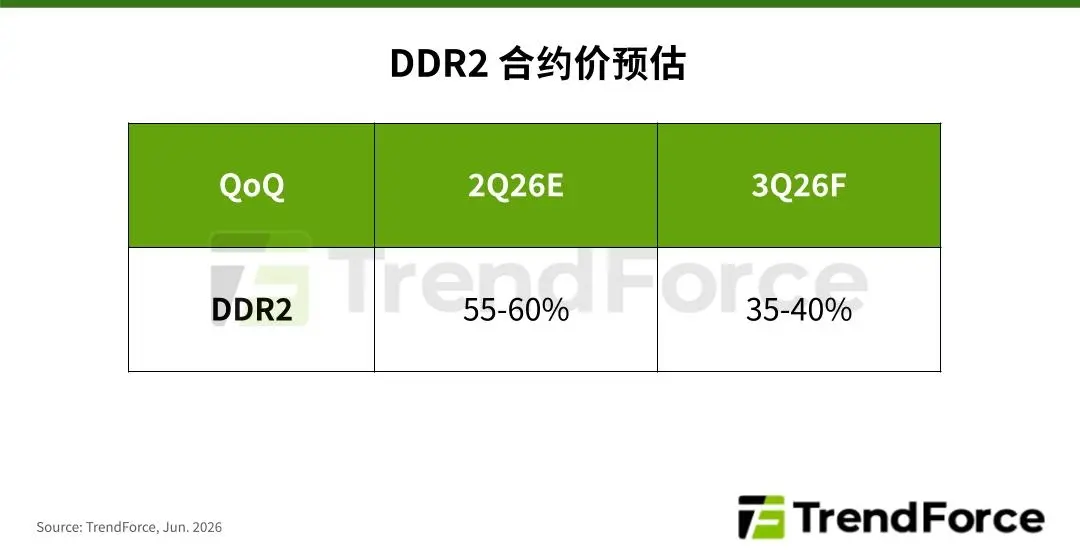
Contract prices for DDR2 are projected to rise by 55 to 60 percent in the second quarter of 2024. The trend continues into the third quarter, with further increases of 35 to 40 percent expected. These figures reflect the immediate pressure on procurement costs for component manufacturers. The steep percentage increases indicate a rapid tightening of the supply-demand balance.
Industry analysts expect this shortage and the associated high prices to persist for approximately two years. The lack of new production from major global manufacturers ensures that supply will remain constrained. This extended timeline forces long-term planning adjustments for companies dependent on DDR2. The market shift is a direct consequence of the global pivot toward AI computing infrastructure.
Discussion
0 comments
Log in to join the thread with a thoughtful take, question, or correction.