
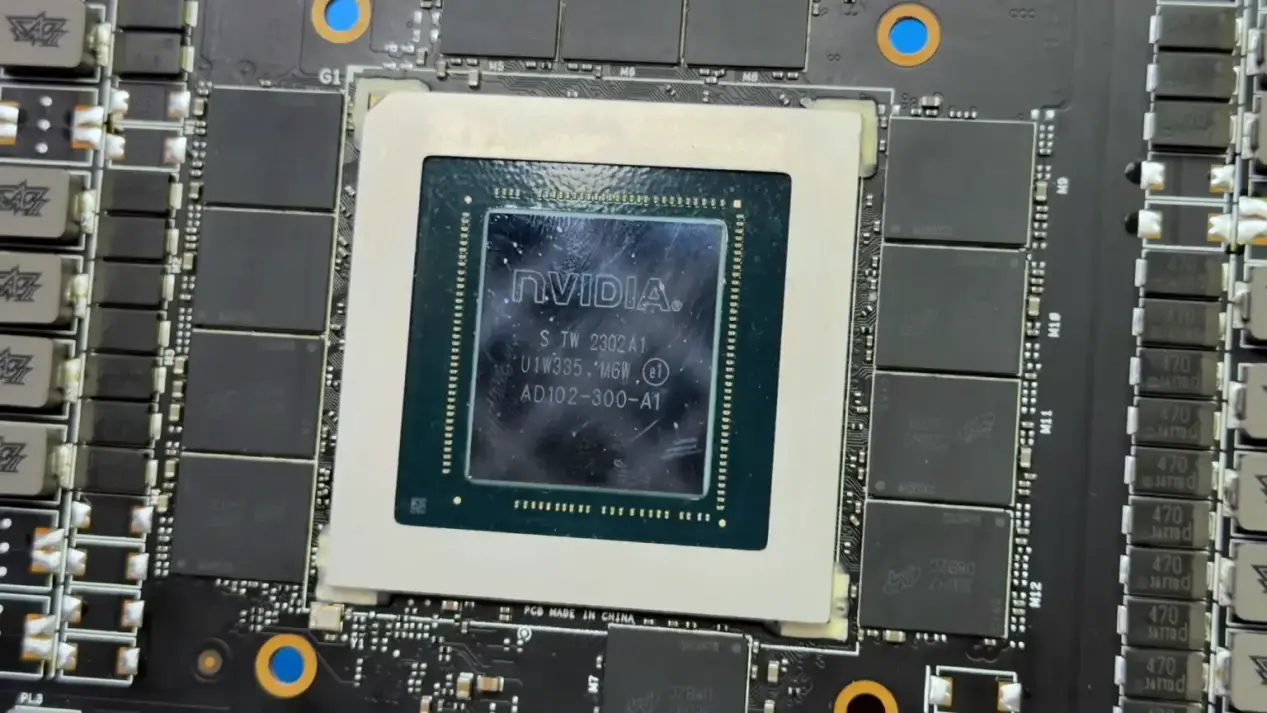
High-fidelity counterfeit NVIDIA GeForce RTX 4090 graphics cards have surfaced in the Russian secondary market, posing a significant risk to buyers seeking high-end gaming hardware. These replicas mimic the physical appearance of genuine units so closely that even experienced repair technicians initially struggle to tell them apart. The deception targets consumers looking for discounted "faulty units" to bypass warranty restrictions, creating a trap for those hoping to save money on premium components. We need to highlight this because purchasing a fake GPU means investing in a non-functional brick disguised as a top-tier performer.
High-fidelity replicas deceive experts with non-functional hardware
The counterfeit cards feature metal or plastic replicas for the GPU core and non-functional scrap chips for video memory, rendering the hardware completely useless for any computational task. Visual inspection reveals that the fake packaging and external markings are nearly identical to authentic products, which explains why they can deceive even professional eyes. Russian repair expert Vik-On noted that the visual similarity is high enough to fool experts at first glance, emphasizing the sophistication of these counterfeits. He stated, "I cannot distinguish the fake from the genuine product," underscoring the difficulty of detection without internal inspection.
- Fake GPU Core: Metal or plastic replica with laser-engraved markings
- Fake VRAM: Non-functional scrap chips
- PCB Marking: AD102-300-A1 (Date code '30' implies 2030, contradicting 2022 launch)
- Missing Security Feature: Anti-counterfeit QR code
Technical analysis of the printed circuit board exposes the fraud through obvious inconsistencies that contradict the product's actual history. The PCB bears the marking "AD102-300-A1," where the date code "30" implies a production year of 2030, which is impossible for an RTX 4090 launched in 2022. Additionally, the counterfeit cards lack the mandatory anti-counterfeit QR code that is standard on all genuine NVIDIA graphics cards. These physical discrepancies serve as critical red flags for anyone examining the hardware closely, even if the exterior looks pristine.
Pricing data further distinguishes the fake units from legitimate market offerings, revealing a massive disparity in cost. The counterfeit cards were sold for 30,000 RUB (around $353), while the genuine RTX 4090 commands a market price of approximately 240,000 RUB (around $2,824) in the same region. This steep discount is the primary indicator that the product is not a legitimate deal but a sophisticated scam. Buyers should be wary of any RTX 4090 listings that appear significantly below the standard market rate, as they are likely to be these high-fidelity replicas.
We have been tracking RTX 4090 closely — see our earlier coverage on GIGABYTE RTX 4090 Warranty Dispute Over. This context highlights the broader challenges surrounding high-end GPU ownership, from warranty disputes to counterfeit risks. The appearance of these fakes adds another layer of complexity for consumers navigating the secondary market. Verification remains the only reliable defense against purchasing non-functional hardware disguised as premium equipment.
Discussion
0 comments
Log in to join the thread with a thoughtful take, question, or correction.