
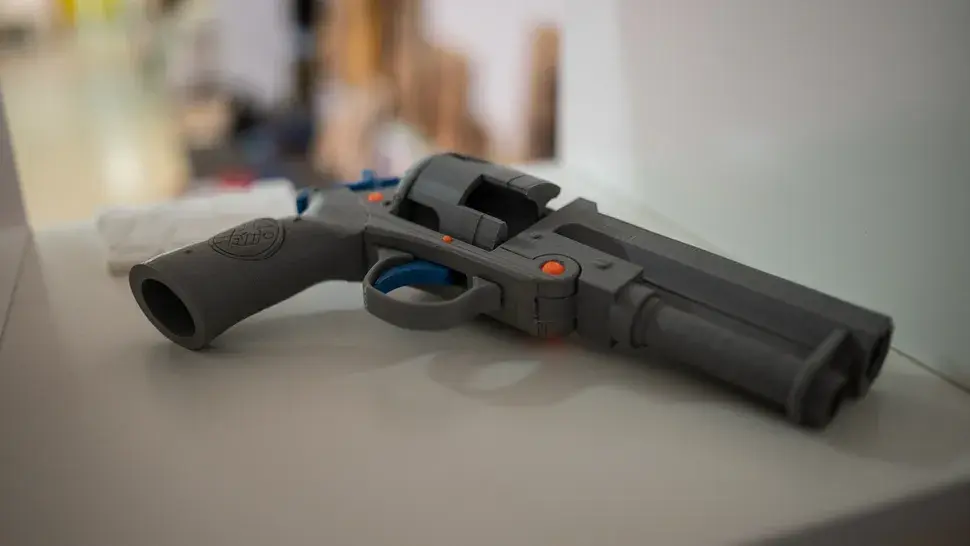
California has passed legislation that will change how 3D printer manufacturers build their machines. This law targets the production of unlicensed firearms by requiring specific software safeguards. Buyers and makers should note that this affects future purchases of new printers in the state. The rule does not restrict current ownership or use of existing devices.
Legislation requires manufacturers to integrate safeguards if ASTM publishes standard
The bill requires manufacturers to integrate gun-blocking technology into their hardware. This mandate applies only to printers that have not yet been sold to consumers. Existing units already on the market remain exempt from these new requirements. The regulation focuses on the sale and transfer of the devices rather than personal possession.
Implementation of the technology depends on an external standard set by ASTM International. The law will only take effect if ASTM publishes a specific standard for this blocking feature. California Governor Gavin Newsom signed the bill into law earlier this week. The Attorney General must verify the existence of these standards by July 2029.
If ASTM fails to publish the required standard by the July 2029 deadline, the mandate will lapse. This conditional structure gives manufacturers a clear timeline for compliance or exemption. California becomes the second state to enact such legislation, following New York. We have been tracking this development closely and covered the initial assembly passage in our earlier report on the California 3D Printer Bill Bans Gun Parts.
The confirmed outcome is a conditional legislative mandate for new 3D printers in California. Manufacturers must await the ASTM standard to determine if they need to update their firmware. This policy shift highlights the growing intersection of hardware manufacturing and public safety regulations.


Discussion
0 comments
Log in to join the thread with a thoughtful take, question, or correction.