
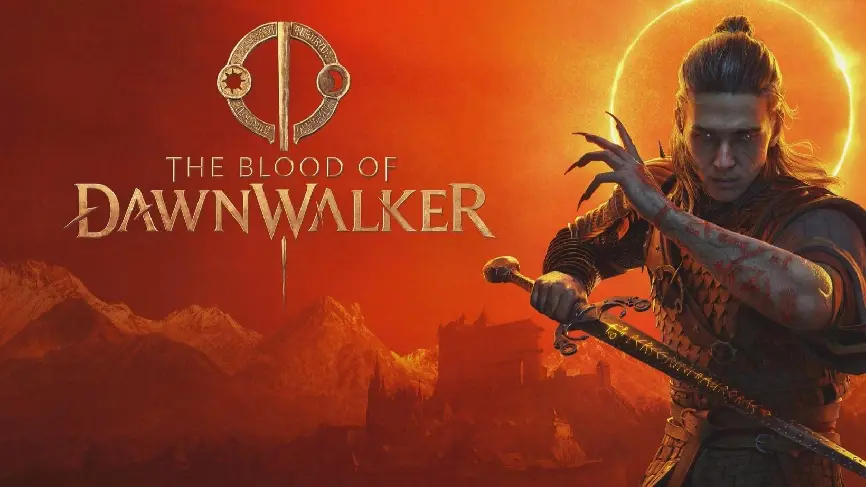
Blood of the Dawnwalker launched globally on September 3, bringing a unique day-and-night gameplay loop to PC and console players. The title lets players shift between human and vampire forms, creating a dual-state experience that changes how you approach combat and exploration. This mechanic offers a fresh twist on the open-world action RPG genre, appealing to fans of dark fantasy and high-stakes decision making.
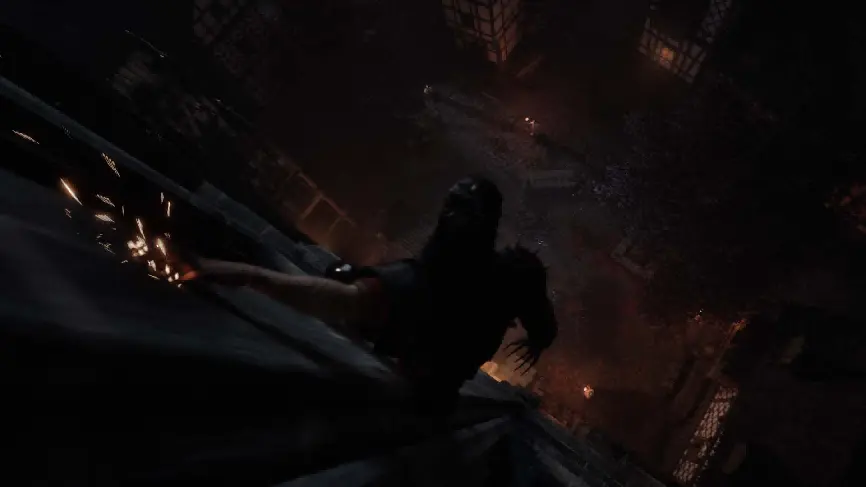
Dynamic frame generation reduces ghosting in dark fantasy RPG
Rebel Wolves developed the game using the Unreal Engine 5, building a world that leverages modern rendering techniques for detailed environments. The studio behind the project includes former directors from The Witcher 3, aiming to deliver a narrative-driven experience with high replayability. Bandai Namco publishes the title, which features a 30-day time limit that adds urgency to the main story arc.
- GPU: GeForce RTX 5070
- GPU Core: GB205
- Boost Clock: 2527MHz
- VRAM: 12GB GDDR7
- Memory Speed: 28Gbps
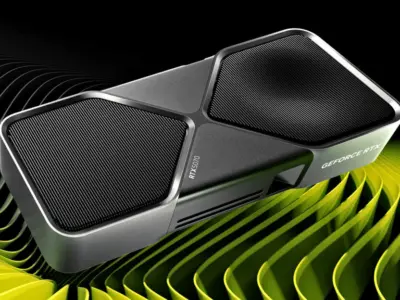
Hardware enthusiasts will notice the specific GPU configurations highlighted in recent reviews, such as the Gainward GeForce RTX 5070 Wind OC. This card uses the GB205 core and boosts up to 2527MHz, paired with 12GB of GDDR7 memory running at 28Gbps. These specs support the game's demanding visual requirements while maintaining smooth performance during intense action sequences.
The game supports NVIDIA DLSS 4.5 technology, which includes a dynamic multi-frame generation feature. This system intelligently switches between 2x and 6x frame generation, potentially reaching up to 6x the native output frame rate. A second-generation Transformer model helps stabilize texture and lighting timing, which reduces ghosting and micro-stuttering during gameplay.
We've been tracking Blood of the Dawnwalker closely — see our earlier coverage on GAINWARD GeForce RTX 5070 Snow OC. The combination of a novel dual-form gameplay system and advanced upscaling tech makes this title a notable entry for the season. Players can expect a visually rich experience that pushes current hardware capabilities while offering a structured, time-bound narrative.


Discussion
0 comments
Log in to join the thread with a thoughtful take, question, or correction.