
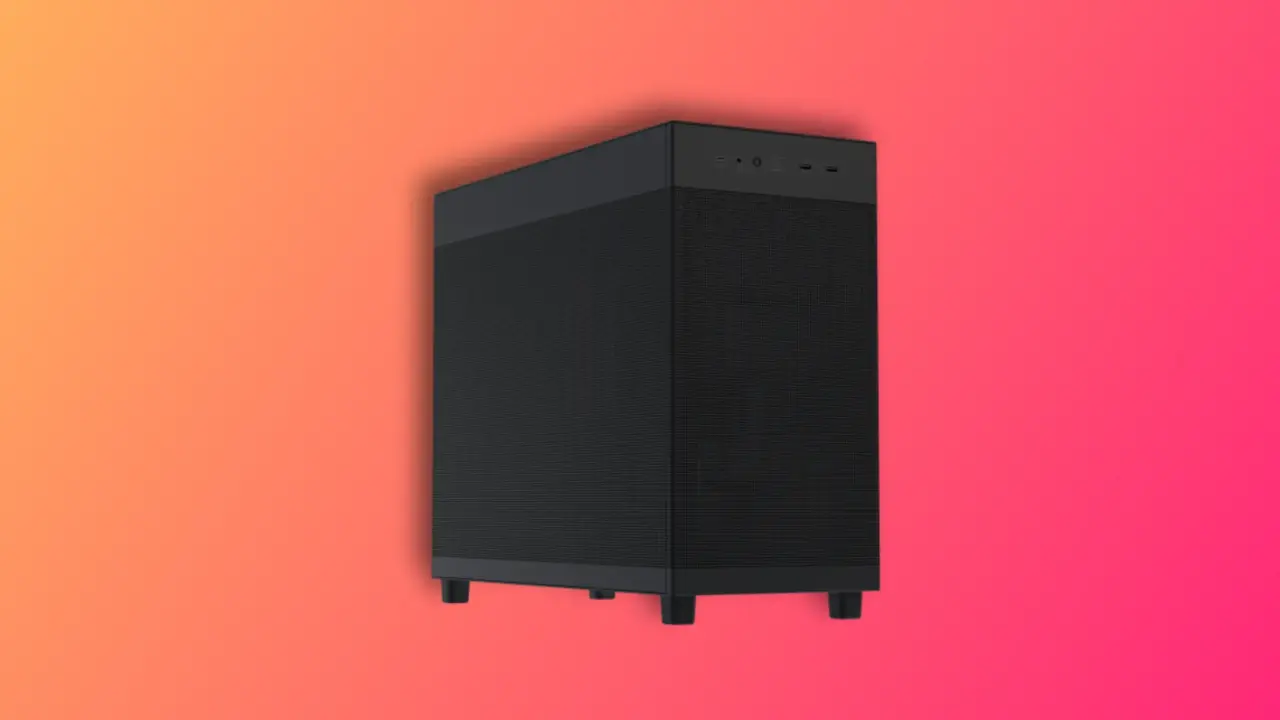
ASUS has lowered the price on a compact ATX case, bringing the cost down to $89.99 for buyers looking for budget-friendly chassis options. This price adjustment makes a standard ATX form factor more accessible for users building mid-range systems without spending heavily on enclosure costs. We track these price shifts because they directly impact the total cost of a new PC build for budget-conscious builders.
ASUS lowers the cost of a compact ATX case to $89.99 for budget builders
The product in question is a straightforward ATX case from ASUS that prioritizes function over flashy aesthetics. It supports standard ATX motherboards and provides the necessary airflow and component clearance for typical desktop builds. The design focuses on delivering a reliable housing for internal hardware at a competitive price point.
ASUS lists the current price for this case at 89.99 USD (around $89.99). The pricing reflects a direct drop to this specific dollar amount, which we note as a significant reduction for this product category. No additional regional pricing or currency conversions are currently available.
A previous report discussed the ASUS Prime AP304 ATX Case, highlighting its floating panoramic design and suggesting a higher price point. This current model offers a more utilitarian approach compared to those premium aesthetic-focused releases. The $89.99 price point positions this case as a practical choice for builders who value cost efficiency over unique visual features.
ASUS is currently selling this compact ATX case for $89.99. The price is confirmed as a current offer for this specific hardware model. Buyers can proceed with purchasing this chassis at the listed rate.
Discussion
0 comments
Log in to join the thread with a thoughtful take, question, or correction.