
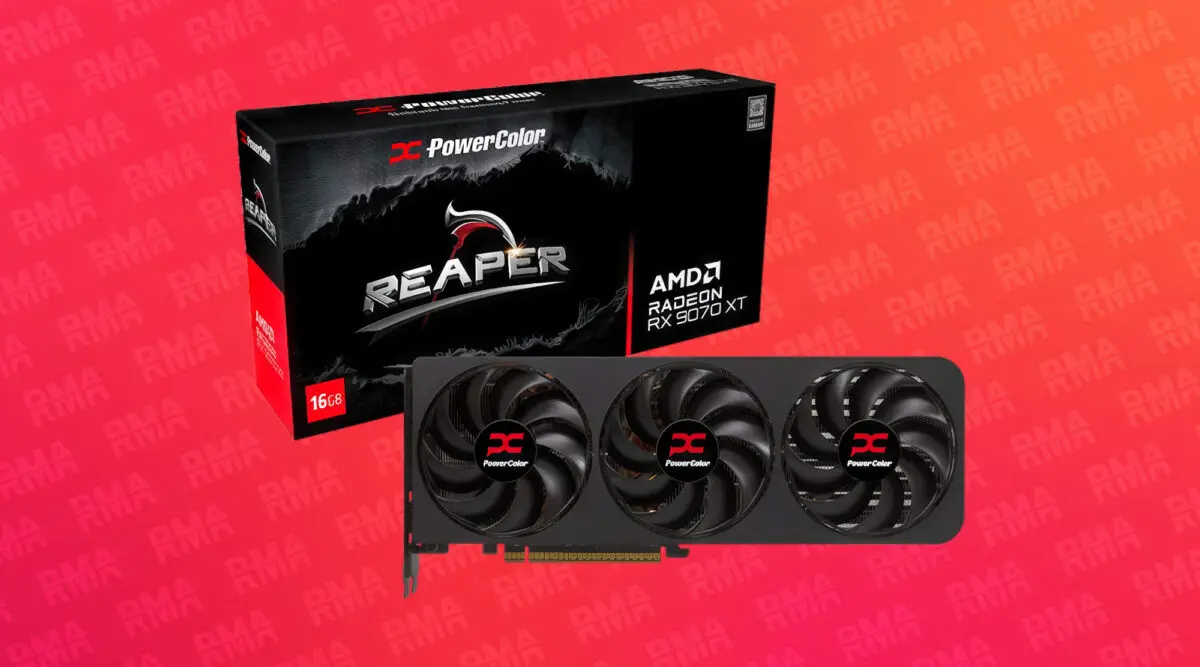
The reliability of the Radeon RX 9070 XT varies significantly across different manufacturer models, a finding that matters to buyers choosing between budget and premium options. Retailer data from Mindfactory and Alza reveals that warranty claim rates range from a low of 0.17% to a high of 3.28% depending on the specific card. This variance suggests that model selection plays a crucial role in long-term ownership costs for gamers and hardware enthusiasts.
Retailer data reveals wide variance in failure rates across different manufacturer models
Hardware & Co analyzed sales data from major retailers to calculate the Return Merchandise Authorization (RMA) rates for various Radeon RX 9070 XT graphics cards. The study covers units sold through Mindfactory in Germany and Alza in Central Europe, providing a snapshot of real-world failure rates for the AMD GPU. The analysis includes nine distinct models from manufacturers such as PowerColor, XFX, ASRock, SAPPHIRE, and ASUS.
- PowerColor RX 9070 XT Reaper RMA Rate: 3.28%
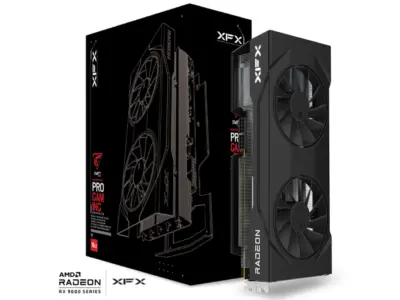
- XFX Quicksilver White RMA Rate: 2.84%
- ASRock Steel Legend RMA Rate: 2.73%
- XFX Swift RMA Rate: 2.34%
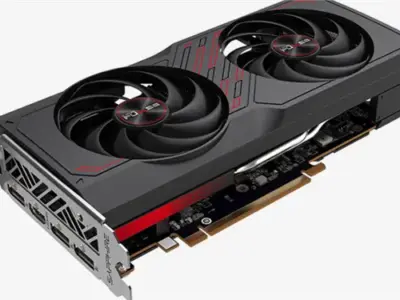
- SAPPHIRE PULSE RMA Rate: 2.14%
The PowerColor RX 9070 XT Reaper leads the list with a 3.28% RMA rate based on more than 2,350 cards sold through Mindfactory. This high rate includes claims linked to early production units where fans reportedly produced scratching or whistling noises. Other models with elevated rates include the XFX Quicksilver White at 2.84% through Alza and the ASRock Steel Legend at 2.73%.
In contrast, the ASUS PRIME OC recorded the lowest RMA rate at just 0.17% at Mindfactory, while the ASRock Challenger remained at 0.48%. The PowerColor Hellhound also performed well with a 0.47% rate across more than 4,340 sales. These figures indicate that lower pricing does not always correspond with higher failure rates, as the budget-friendly ASUS model outperformed more expensive competitors.
Hardware & Co estimates an average warranty claim rate of around 1% across the listed RX 9070 XT cards. This average is roughly twice the rate reported for the previous generation RX 9060 XT, suggesting a higher overall failure risk for the newer architecture. We've been tracking Radeon RX 9070 XT closely — see our earlier coverage on AMD Radeon RX 9070 XT and related price movements for more context. Buyers should weigh these reliability statistics alongside performance benchmarks when selecting a specific card model.
Discussion
0 comments
Log in to join the thread with a thoughtful take, question, or correction.