
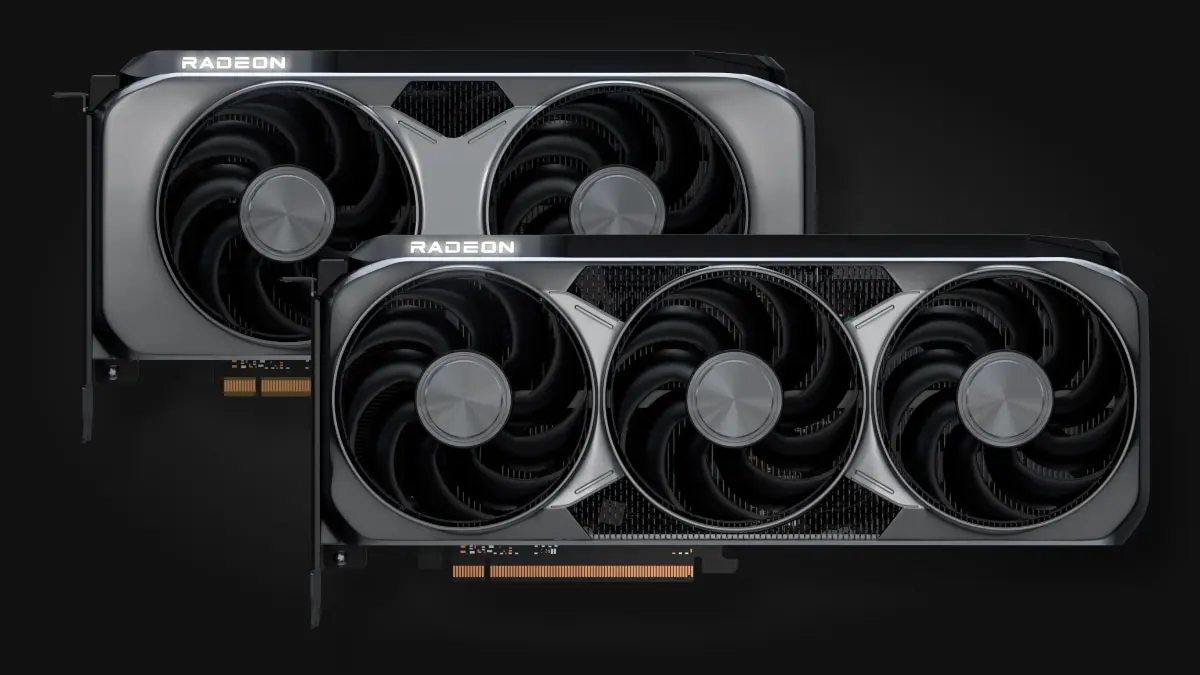
Industry predictions suggest AMD will not release its next-generation RDNA 5 graphics cards until at least 2027. The schedule shows a substantial delay between the current RDNA 4 generation and the upcoming architecture. AIB partners shared these estimates during discussions at COMPUTEX 2026, highlighting uncertainty in the rollout schedule.
AIB partners share conflicting launch windows
The RDNA 5 architecture targets the mainstream discrete GPU market with a diverse range of silicon variants. Internal planning includes configurations with 96, 40, 24, and 12 Compute Units to cover different performance tiers. The planned variants target different segments of the gaming and content creation markets.
Launch windows for RDNA 5 remain fluid, with estimates spanning from the second or third quarter of 2027 to late 2027 or early 2028. One AIB partner projected the first chips would arrive in mid-2027, while another suggested a later debut in late 2027 or early 2028. The differing estimates highlight the complexity of coordinating release schedules between AMD and its board partners.
NVIDIA's next-gen may also face delays
NVIDIA faces potential delays in its own next-generation roadmap, which may impact the competitive landscape for RDNA 5. Rumors indicate that an RTX 50 SUPER reboot could push the release of the GeForce RTX 60 series to mid-2027 or later. This shift lowers the probability of an early 2027 launch for NVIDIA's Rubin architecture, potentially altering market dynamics.
The extended timeline suggests AMD is focusing on architectural refinement rather than rapid product cycles. The company may be spacing out major GPU releases to align with broader industry shifts in AI and data center hardware. This approach enables more comprehensive testing and feature integration before the public launch.
Confirmed details regarding RDNA 5 are limited to architectural targets and partner discussions at COMPUTEX 2026. No official pricing, availability dates, or performance benchmarks have been released by AMD. Industry observers continue to monitor partner statements for more precise launch windows as the 2027 period approaches.


Discussion
0 comments
Log in to join the thread with a thoughtful take, question, or correction.