
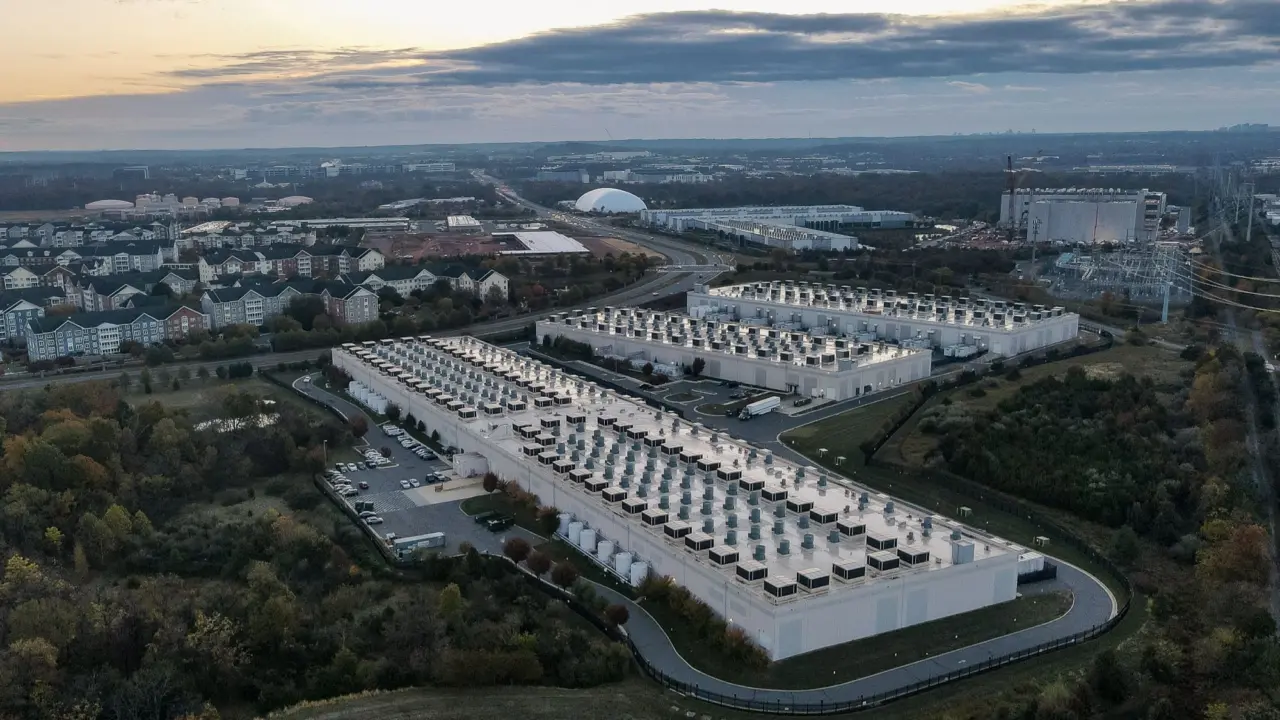
Amazon has introduced Resilient Network Graphs (RNG), a new data center networking architecture that replaces traditional hierarchical designs with a distributed mesh-like structure. The company is now deploying this system across most newly built AWS facilities, marking a significant shift in how cloud infrastructure handles traffic at scale.
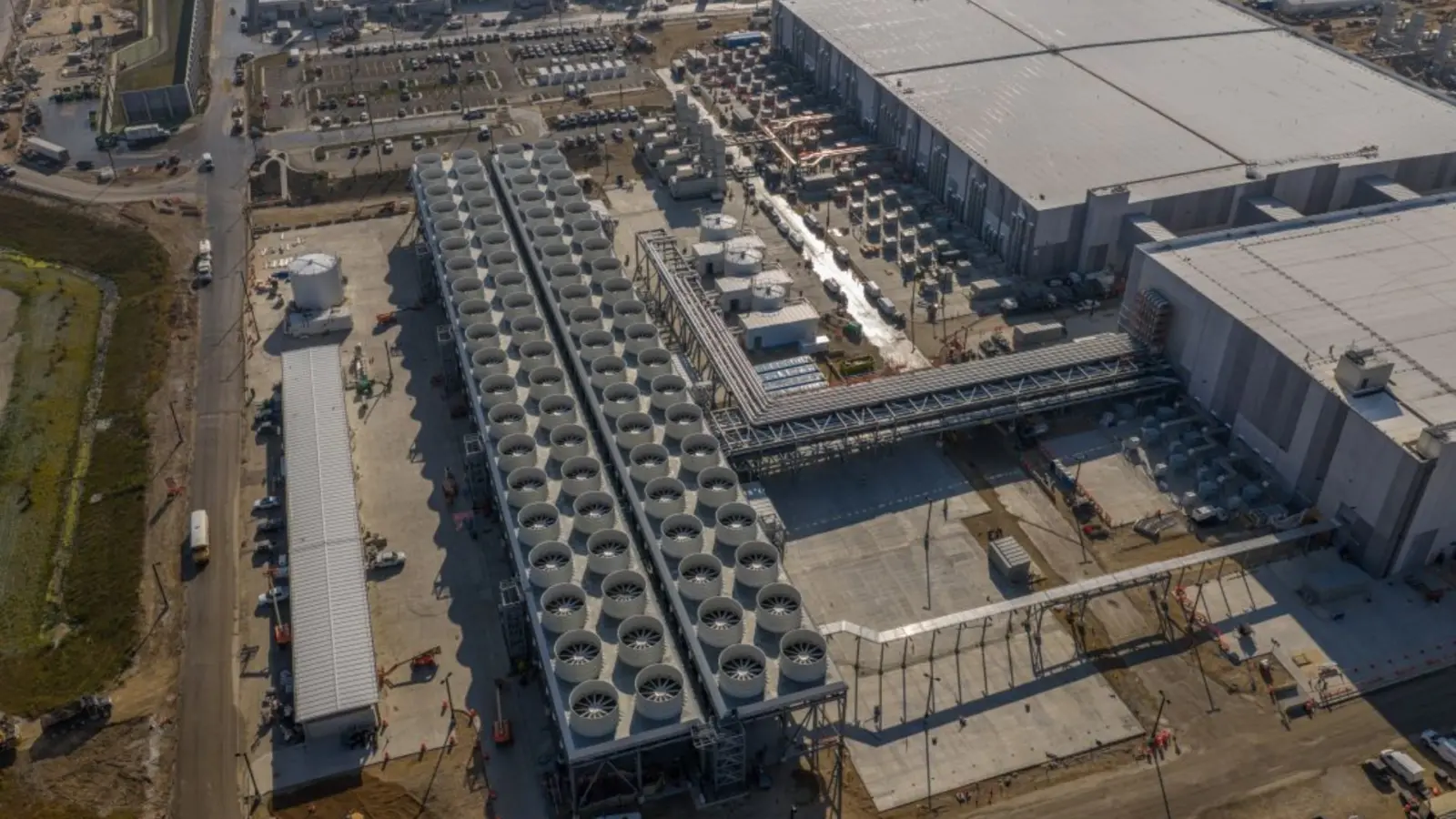
Amazon deploys Resilient Network Graphs across AWS data centers to slash hardware costs and boost performance
The core innovation lies in RNG's use of random graph theory to create a flat network topology. Instead of relying on complex routing protocols and layered switches, the architecture uses custom components like the 'Spraypoint' protocol and passive optical devices called 'ShuffleBox'. The architecture streamlines cable management and lowers the physical complexity historically associated with large-scale data centers.
- Hardware Reduction: 69% fewer networking devices
- Throughput Increase: 33% higher throughput
- Power Consumption Reduction: 40% lower network power consumption
- Infrastructure Cost Reduction: up to 45% reduction in infrastructure costs
Amazon reports that RNG delivers 33% higher throughput compared to conventional networking setups. The system also cuts hardware requirements by 69%, significantly lowering the number of switches, routers, and cables needed. Power consumption drops by 40%, while infrastructure costs fall by up to 45% due to reduced equipment and energy demands.
The architecture moves data roughly one-third faster than older designs, according to Amazon's performance claims. These improvements translate into lower capital expenditures and operating costs for AWS customers. The company notes that the savings could potentially reach billions of dollars across its global cloud footprint, though exact figures remain unspecified.
RNG first appeared in a Dublin data center in 2024 before expanding to facilities in Germany and Spain. It is now being rolled out as the default networking solution for most newly constructed AWS regions worldwide. This widespread adoption signals Amazon's commitment to optimizing its core infrastructure for future growth.
Amazon describes RNG as a breakthrough that enhances reliability and performance while reducing CO2 emissions. The company emphasizes that the architecture saves billions in hardware costs and lowers power consumption simultaneously. The performance improvements support AWS efforts to expand capacity effectively for growing artificial intelligence demands.



Discussion
0 comments
Log in to join the thread with a thoughtful take, question, or correction.