
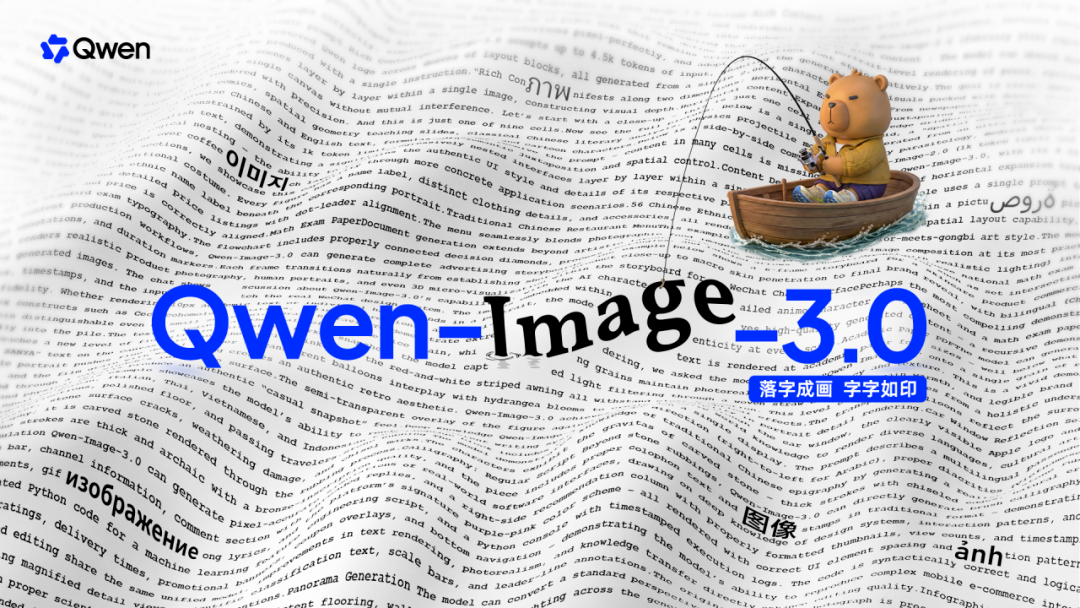
Alibaba has released Qwen-Image-3.0, the third major iteration of its image generation foundation model, shifting focus from aesthetic appeal to practical utility. This update matters because the company aims to transform the technology from a creative toy into a reliable production tool for developers and designers. The model prioritizes functional accuracy over simple visual prettiness, allowing users to generate complex, text-heavy layouts that were previously difficult to render correctly.
Shifts focus from aesthetic appeal to practical utility for developers
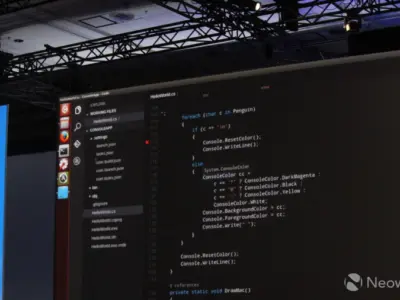
The new model supports up to 4.5k token input, which enables it to handle dense information such as math exams, academic papers, and intricate user interfaces. It renders 12 languages and over 20 fonts with high precision, accurately displaying text as small as 10 pixels. Alibaba states that the system can nest multiple UI layers in a single generation, such as placing a VSCode interface inside a chat window within a social media feed.
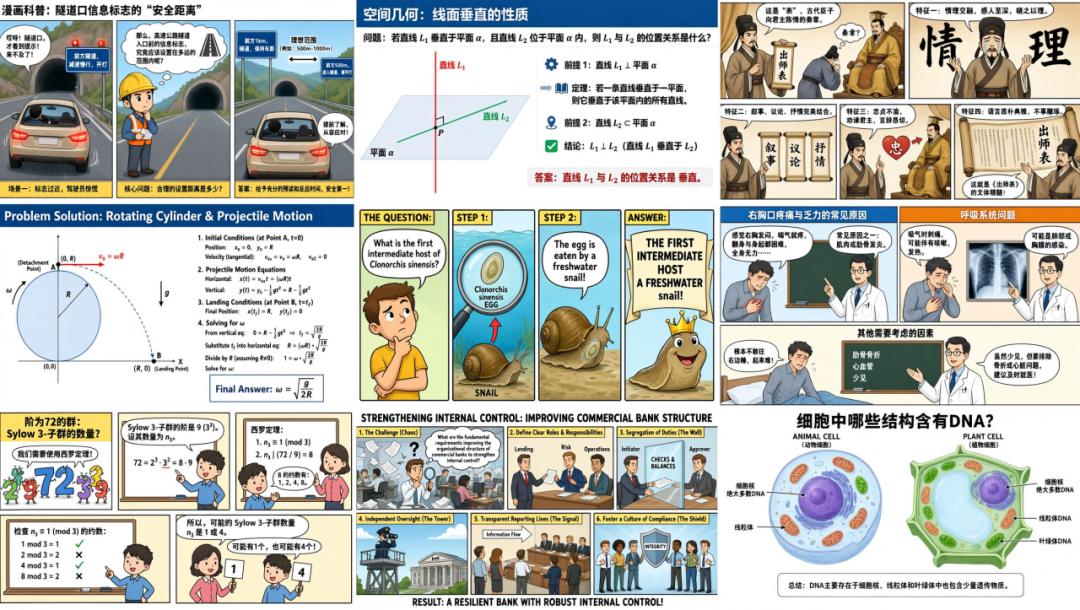
Qwen-Image-3.0 incorporates over 100 art styles and focuses on content richness and detail realism. The model can restore damaged traditional paintings while maintaining the original artistic style and brushwork. Alibaba emphasizes that the key to this model is a single word: reality. The goal is to ensure that generated images are usable for real-world tasks rather than just looking good.
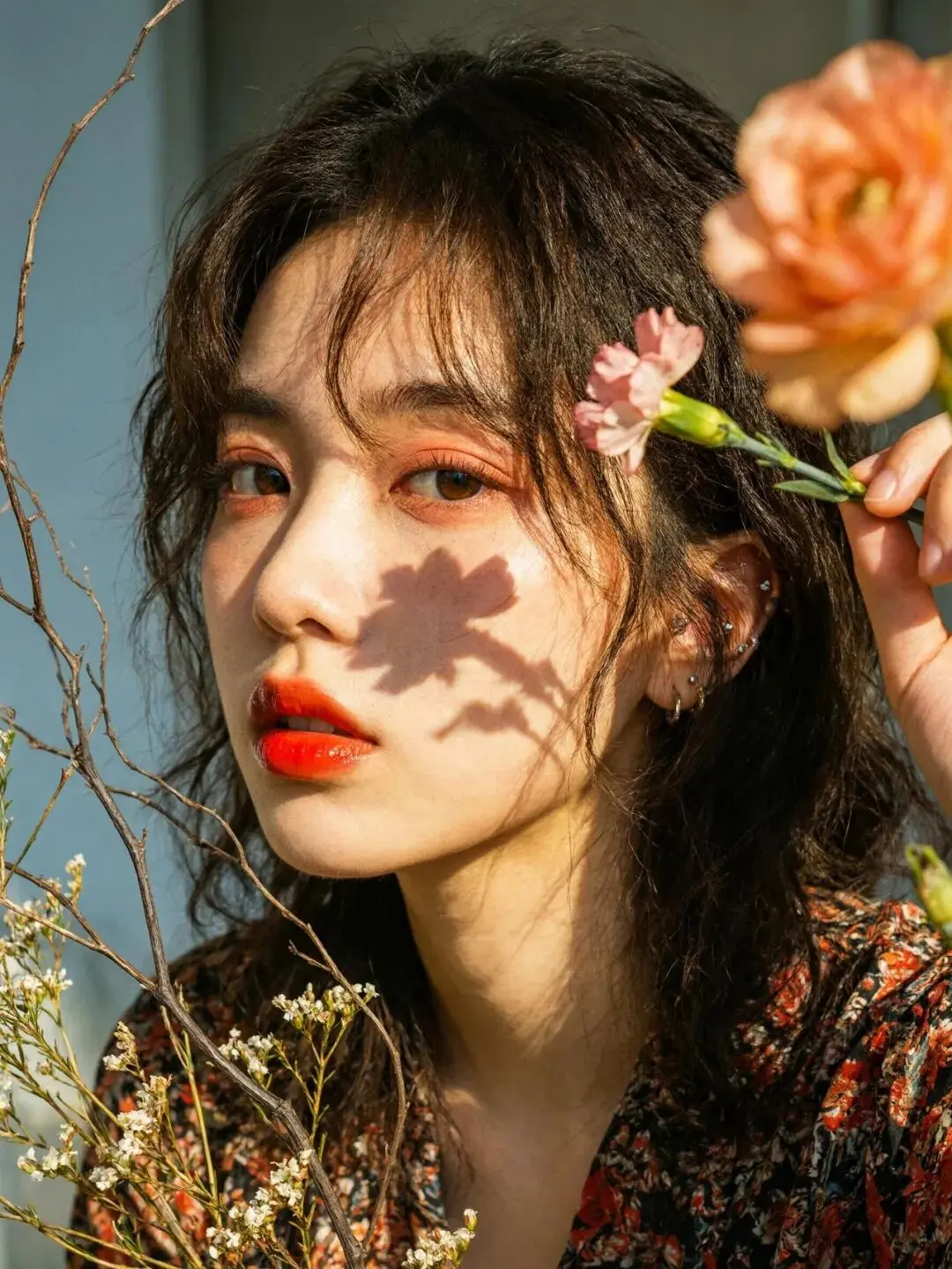
API testing for Qwen-Image-3.0 is now available on Alibaba Cloud Bailian and the Tongyi AI platform. Alibaba confirmed the official release of this third-generation image generation foundation model. The company highlighted that the system is designed to make image generation a viable production tool. Free trials for Qwen Studio and the Tongyi app are coming soon.
Discussion
0 comments
Log in to join the thread with a thoughtful take, question, or correction.