
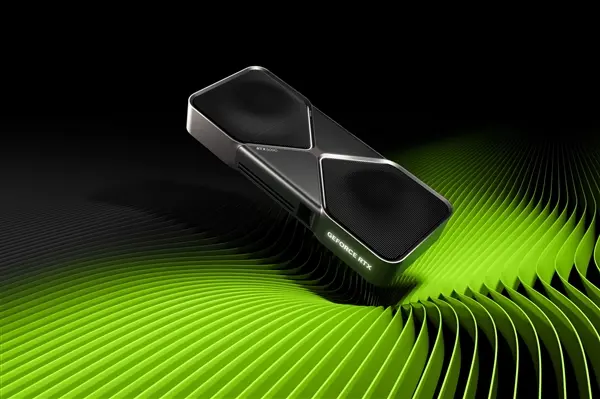
The NVIDIA GeForce RTX 5090 is the only GPU in the current market that has not seen a price drop. Over 50 days, its price actually rose by 3%. This is based on 126,000 price scrapes across European retailers.
Mid-range GPUs see steep declines
In contrast, mid-range GPUs have fallen significantly. The RTX 5060 Ti dropped 9.1%, the RX 9070 XT fell 7.5%, the RTX 5070 Ti declined 2.1%, the RTX 5070 decreased 1.3%, and the RTX 5080 slipped 0.4%. Specific models saw even larger declines: the Asus Prime RTX 5070 Ti fell 23.4% from 1259 to 964 EUR (about $1,123), and the Asus TUF RTX 5060 Ti dropped 21% from 770 to 608 EUR (about $708).
The RTX 5090's price resilience is attributed to strong demand from AI computing and workstation users, which is squeezing supply and breaking the typical post-launch price drop cycle. According to a Reddit user, AI and workstation demand are diverting RTX 5090 units away from gamers. Reports from ComputerBase and Hardwareluxx indicate that most RTX 50 series models in Germany have fallen to or below MSRP, except the RTX 5090, which remains in severe shortage.
NVIDIA is reportedly raising internal pricing by about $300 due to AI demand and GDDR7 costs. Some sources suggest retail prices could rise to $4500-$5000, but this remains unconfirmed. The RTX 5090's unusual price trajectory highlights the impact of AI demand on consumer GPU availability.

Discussion
0 comments
Log in to join the thread with a thoughtful take, question, or correction.