
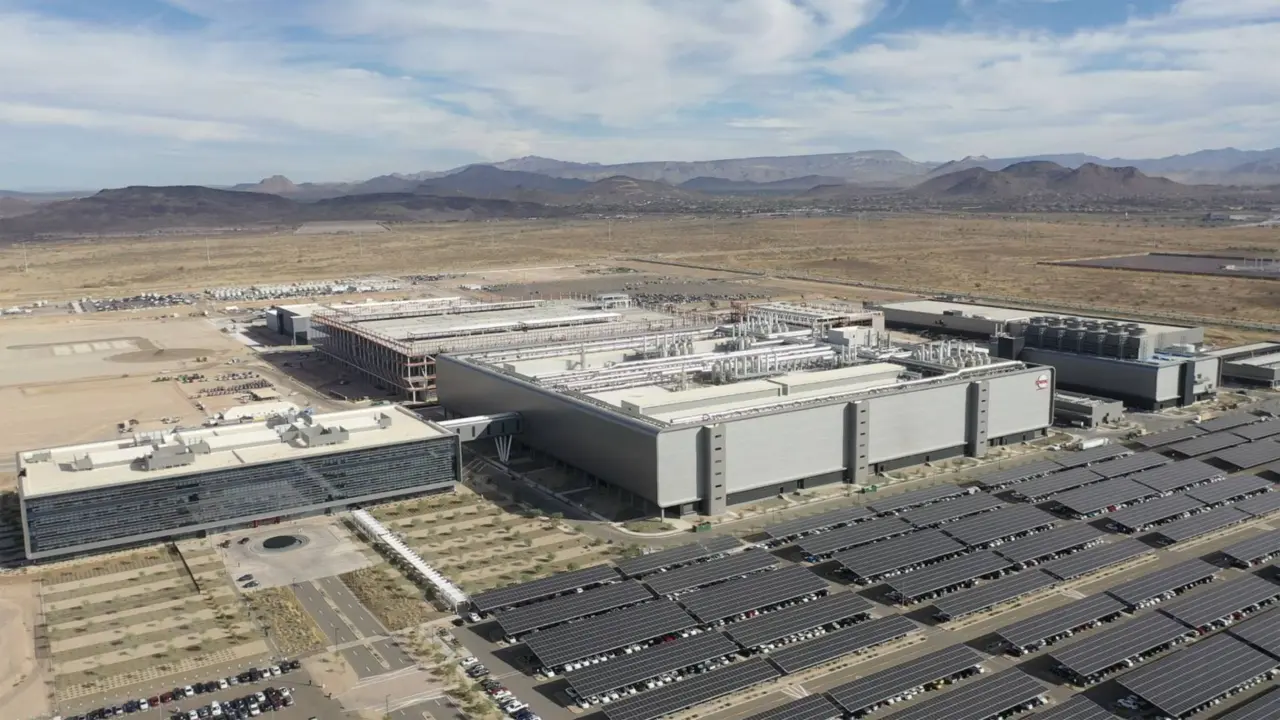
TSMC is advancing its roadmap for ultra-advanced semiconductor manufacturing by initiating plans for 1nm production. The company is currently constructing 12 new plants to support its next-generation process nodes. These facilities will handle the transition from the current 2nm technology to future iterations including the A14 node, which corresponds to a 1.4nm process.
Twelve new facilities will handle the transition from current 2nm technology to future iterations.
The company plans to begin land acquisition for the 1nm production facilities through its Longtan Phase III expansion project. This land acquisition process is expected to start in 2029. Mass production of chips using the 1nm node is projected to commence in 2030 or 2031. The timeline indicates that the final production start date remains a projection rather than a confirmed date.
Samsung is targeting 1nm wafer production in 2029 and has already begun trial production for its 2nm node in the United States. Despite these efforts, Samsung faces challenges with yield stabilization. Previous reports indicate that Samsung is viewed as a backup option for customers rather than a viable alternative to TSMC due to these yield issues. This dynamic suggests that most companies will continue to stick with TSMC's N2 and N2P nodes.
The competitive landscape for advanced nodes shows TSMC maintaining a dominant position while Samsung attempts to close the gap. TSMC's aggressive expansion into 1nm manufacturing highlights its strategy to secure leadership in the semiconductor industry. The company's focus on building multiple plants underscores the scale of its operations in Taiwan and the U.S.


Discussion
0 comments
Log in to join the thread with a thoughtful take, question, or correction.