
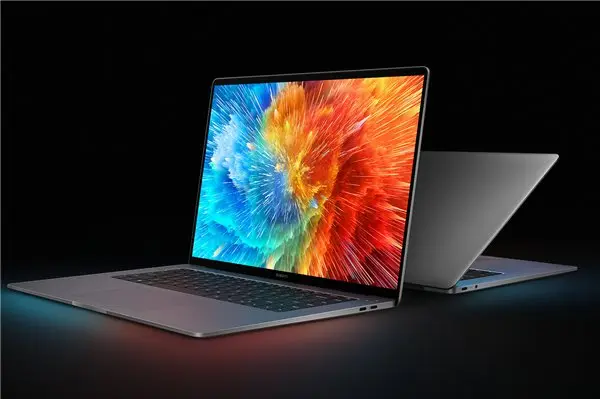
Omdia predicts 60% of PC shipments by 2027 will be AI PCs. The quick and accelerating growth of AI PCs is noteworthy as it signifies a substantial shift in the hardware needs for consumers and manufacturers. The industry is pushing for AI integration. However, consumer trends present a different narrative.
Only 9% of buyers purchase AI PCs for AI features
Consumers aren't purchasing these devices because of AI. 9% of consumers will purchase an AI PC to use AI features. Instead, consumers upgrade to AI PCs because their existing devices are either old, damaged or too slow. Consumers' needs are for performance overall, not for AI specifically.
AI PC RAM costs are starting to affect manufacturers heavily. The price of memory has risen from 15% to almost 40% of BOM costs. The jump in price is necessary for these large local AI models in AI PCs. The RAM cost is a consequence of the hardware needs of on-device AI.
Office users are heavily embracing AI but are restricted by corporate. Around 78% of office users interact with AI weekly. However, only 12% of users are using official corporate accounts.
This gap shows there is demand for local AI via personal devices or other means. This trend shows a misalignment between corporate restrictions and consumer usage.

The article states 9% of buyers purchase AI PCs specifically for AI features. Is this survey data from Omdia directly or an extrapolation from broader market trends? I need to know the sample size to trust the 60% shipment projection.
The survey was conducted by Omdia across 5,000 consumers in six key markets. They asked about primary purchase drivers. The 9% figure reflects stated intent rather than actual usage behavior post-purchase. This distinction matters because intent often shifts after hardware acquisition.
I doubt the AI workloads justify the RAM jump. Local inference requires significant bandwidth. If the NPU is bottlenecked by memory latency then the efficiency gains vanish. Show me the benchmark numbers before I buy into this.
I just want a computer that lasts five years without slowing down. The memory cost increase makes me hesitant to upgrade. If the performance boost is only theoretical then I will stick with my current machine for another two years.
Corporate IT departments blocking local AI is ironic. 78% of users want it but only 12% use official accounts. They are pushing us to use personal devices for work AI tasks while complaining about security.
RAM at 40% of BOM is insane. That kills the value proposition for anyone on a budget. Manufacturers will either cut corners elsewhere or raise prices. Neither option is great for the consumer.