
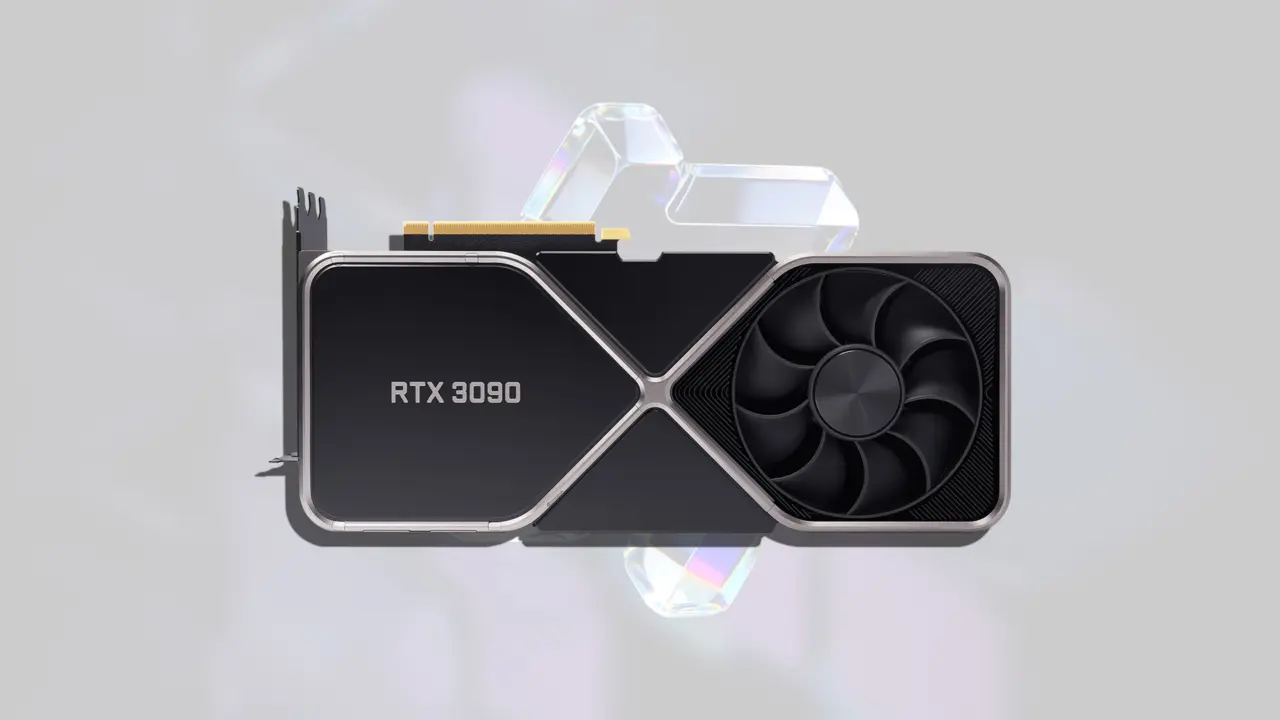
Developers have discovered a method to significantly boost the performance of older NVIDIA GPUs for AI workloads, without the need for new hardware purchases. This optimization unlocks capabilities for current users of GPUs to operate larger language models that were previously hindered by sluggish output rates. The approach targets improvements in the inference stack rather than new hardware.
Inference optimizations boost RTX 3090 LLM speed by 4.6x
The testing focused on NVIDIA's RTX 3090, a high-end graphics card featuring 24GB of VRAM. Performance of the Qwen3.8-27B large language model was evaluated specifically on this GPU to assess optimization impacts. This highlights the continued utility of having large amounts of VRAM available for contemporary AI workloads.
Specifications
- VRAM: 24GB
- Memory Bandwidth: 936.2GB/s
- Baseline Token Speed: 82 tok/s
- Optimized Token Speed: 382 tok/s
- Context Window: 138,696 tokens
The baseline inference speed achieved on RTX 3090 was 82 tokens/sec. Through optimizations like using speculative decoding methods such as multi-token prediction and a lookup drafter, performance jumped to 382 tokens/sec. That's a 4.6x improvement to generation speeds.
The optimized setup also enables an extended context window of 138,696 tokens. This is possible by reducing working memory size with more efficient storage.
There are trade-offs to the optimized performance that impact stability. The optimized setups need longer checking steps which take more request slots. Also, the document load time is double.
For common chat sessions, speed averages out to 133 tokens/sec. So it's not entirely free, and requires mindful resource utilization.
We've been following the RTX 3090 closely. Check out our coverage of Borderless Gaming update brings DLSS 5. This hardware still has tricks up its sleeve with software optimization, despite new models arriving. This demonstrates that optimized inference can help wring more utility out of older GPUs.
These numbers are self-reported from a single developer. Take them with a grain of salt until more validation can be done via wider testing. But this approach could help to keep existing GPU inventory relevant in the realm of AI.
Discussion
0 comments
Log in to join the thread with a thoughtful take, question, or correction.