
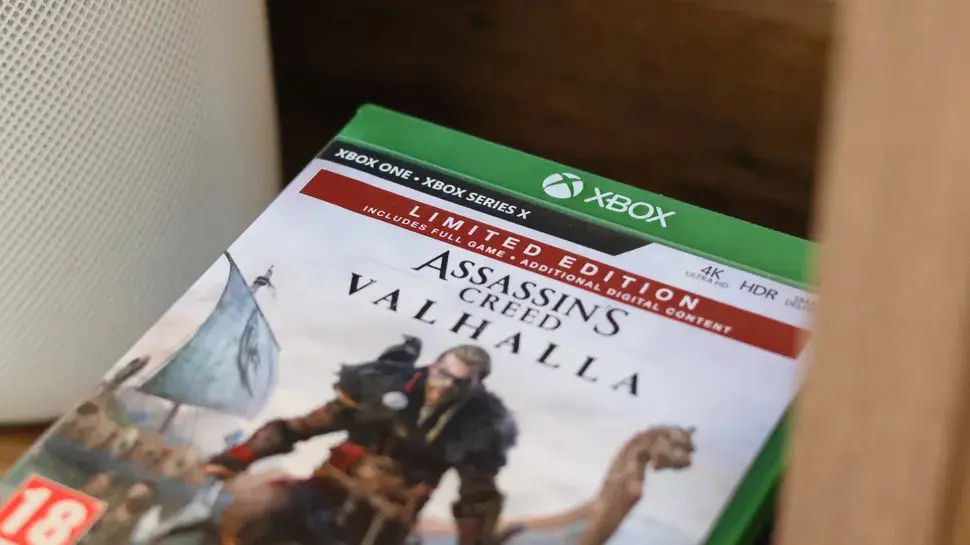
In the near future you may be able to purchase a video game here in the United States that you can own, instead of renting a revocable license. With the new Power To The Players Act that Rep. Ritchie Torres has put in motion, he is requiring the FTC to alter the way we purchase digital software. All of this is a response to the ever rising complaint of consumers who are unable to play their purchased video games when online servers go offline.
Bill mandates offline modes before server shutdowns to prevent unplayable purchases
The Power To The Players Act tasks the Federal Trade Commission to create regulations that designate purchasing a digital game to be the same as owning a piece of property. The publishers would be held to a strict standard for keeping offline modes available for games that require online servers to play. This is in an effort to make sure the consumers are not left high and dry with software they've already paid for.
A few points in the act outline how publishers must keep offline modes available for games before taking down the online servers. Some games it points out (like The Crew and NBA 2K25) have had their online servers closed down and now the games themselves are a brick. It's unclear if the right to transfer digital ownership will be required for all digital purchases.
This comes along with some other legislation like Protect Our Games Act in Pennsylvania, or the Stop Killing Games movement in the industry. The idea of this legislation specifically concerns the digital game bricking after development ceases. Any consumer that wants to be sure about access to their digital games is going to keep an eye on this legislation.
The Power To The Players Act is a big challenge to the normal software license we've gotten used to. The goal here is to make sure the digital purchases we make are still valuable and work well in the long run. We will see if this is something that grants digital game ownership a legitimate right in the United States.
Discussion
0 comments
Log in to join the thread with a thoughtful take, question, or correction.