
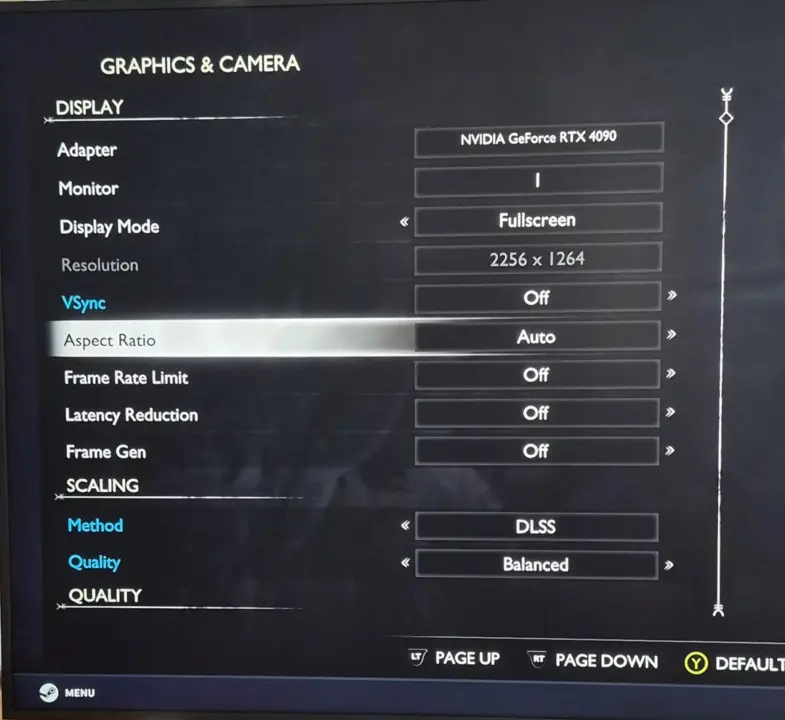
Valve Steam Machines users now can use Nvidia DLSS that was available only for RTX machines. We can make it happen via spoofing for game engines to make them think that your machine is RTX 4090. You will have the measurable performance boost on such heavy games that don't support Nvidia silicon. The good news is that if you own such a handheld or mini-PC you finally can lock your frame rates for such games that were unstable before.
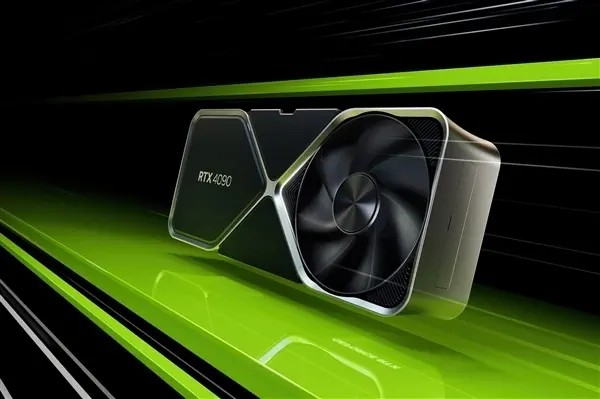
Open-source utility forces Nvidia super sampling on unsupported hardware for smoother 4K gaming
We can use a tool called HelixSR to make this happen. This is an open-source utility that uses OptiScaler framework to spoof algorithm calls to available units. HelixSR changes game engine feedback from the system via GPU ID spoofing. This technical solution lets us force Deep Learning Super Sampling that isn't supported by the hardware natively.
To measure the difference in performance we've tried it on God of War: Ragnarok game on 4K resolution. Basic performance with FSR 4.1.1 shows 49-53 FPS on heavy scenes. After we've applied HelixSR we see that frame rate is locked at 60+ FPS. So we have a 17% boost on frame rate comparing to basic FSR performance.
The quality of the images looks sharp and clear without a lot of artifacts or noise. Spoofing works well and gives us intact quality while improving performance. Developers are working on a Decky plugin to make integration for handheld devices easier to do. It's easier to use the tool now on Valve devices.
We can see that DLSS works on non Nvidia hardware using GPU ID spoofing. The HelixSR tool can bring us 17% of frame rate boost on the tested use case. Also, we see intact quality of the images with no big degradation. This spoofing hack is a good workaround to get more performance for those who want it on available hardware.


Discussion
0 comments
Log in to join the thread with a thoughtful take, question, or correction.