
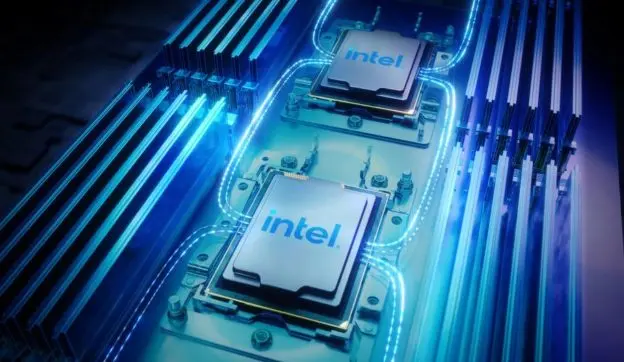
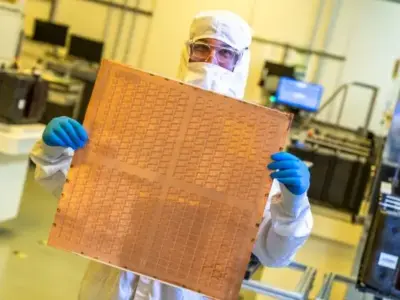
JEDEC published JESD264 in October to establish the first integrated reliability standard for Silicon Photonics (SiPh). This move matters because it creates a unified verification framework for a technology that previously lacked common testing procedures. Buyers and engineers now have a clear baseline for assessing the durability of optical components in data centers and high-performance computing systems.
New JESD264 standard creates unified verification framework for optical components
The standard defines certification and reliability requirements for SiPh dies, integrated chipsets, and essential components such as modulators and photodiodes. It establishes specific protocols for assembly processes, laser integration, and manufacturing traceability. This structure helps manufacturers align their production lines with industry-wide expectations for quality and consistency.
Major semiconductor vendors including Intel, TSMC, and Samsung are accelerating SiPh development for commercialization under this new framework. The standard aims to fill a gap where SiPh lacked common verification procedures compared to mature CMOS technology. This alignment allows these companies to integrate optical components more reliably into their existing manufacturing ecosystems.
We previously covered the GeIL Announces Industry-First DDR5-8000 JEDEC Standard, which also highlights JEDEC's role in setting memory benchmarks. That earlier coverage showed how JEDEC standards can drive industry adoption for new hardware categories. The new JESD264 standard extends this influence into the emerging field of silicon photonics.
JEDEC has confirmed the release of JESD264 as the industry's first integrated reliability standard for Silicon Photonics. This standard addresses certification, assembly, and traceability for SiPh dies and components. It provides a necessary foundation for the commercialization efforts of major semiconductor vendors like Intel, TSMC, and Samsung.
Discussion
0 comments
Log in to join the thread with a thoughtful take, question, or correction.