
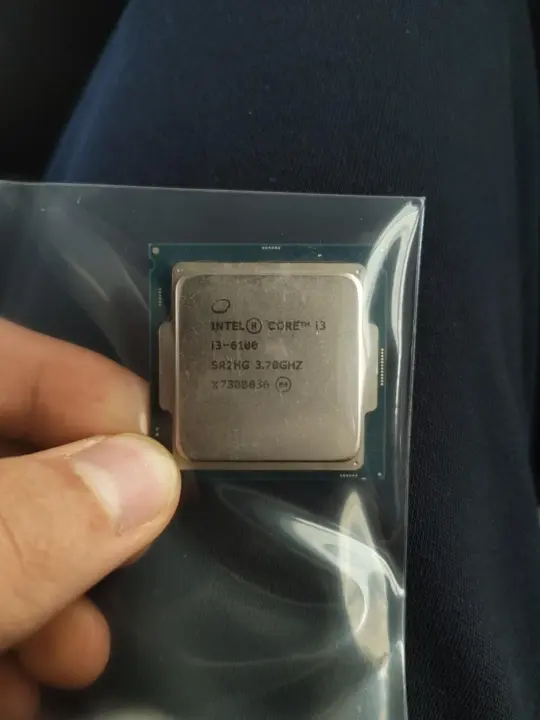
Intel's Core i3-6100 processor offers a rare opportunity for budget builders to push performance beyond factory limits. This non-K Skylake chip typically carries a locked multiplier that prevents standard overclocking methods. However, specific motherboard configurations allow users to bypass this restriction through base clock adjustments. This capability matters to enthusiasts who want to extract extra speed from entry-level hardware without buying higher-tier models.
Z170 base clock tweaks unlock 4GHz on locked Intel i3-6100
The i3-6100 is a dual-core, four-thread processor built on Intel's Skylake architecture. It runs at a base clock of 3.70GHz with a locked multiplier by design. This lock prevents users from increasing the clock speed by simply raising the internal multiplier. The chip relies on external motherboard settings to achieve any frequency increase beyond its default speed.
Specifications
- Architecture: Skylake
- Cores/Threads: 2 cores / 4 threads
- Base Clock: 3.70GHz
- Multiplier Lock: Locked
- Potential Overclock Target: 4GHz
Overclocking this processor requires a Z170 motherboard and manipulation of the base clock (BCLK). Standard boards usually limit BCLK adjustments to around 106MHz, which provides minimal frequency gains. Some Z170 boards support higher BCLK values, potentially allowing the CPU to reach or exceed 4GHz. Achieving these higher frequencies involves pushing the base clock to 125MHz or more.
Increasing the base clock affects more than just the CPU core speed. It also impacts system memory and the Ring Bus, which can lead to instability if not managed correctly. Users must often adjust BIOS settings or downclock their RAM to maintain system stability at higher frequencies. The success of these tweaks remains unverified by the original source, as the user has not publicly confirmed a stable result. The specific motherboard model used in these tests is also unknown.



Discussion
0 comments
Log in to join the thread with a thoughtful take, question, or correction.