
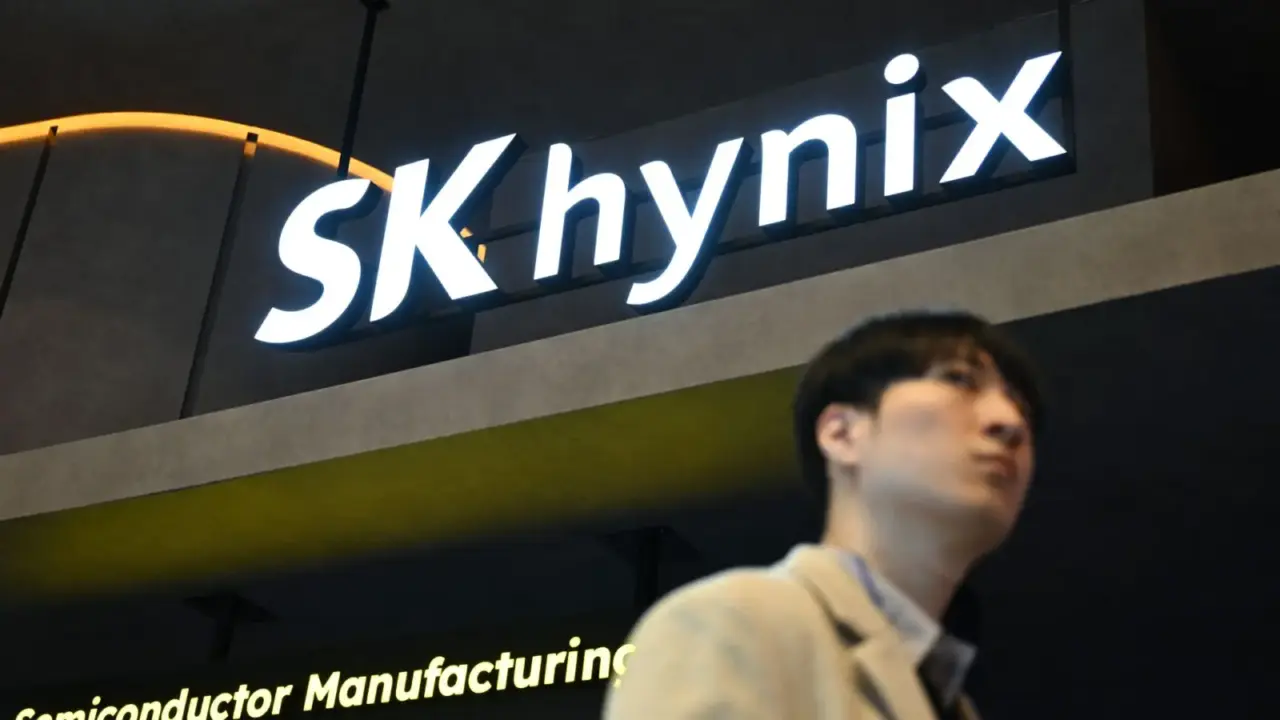
Major technology companies are offering to directly invest in SK hynix’s new chip production lines and fund the purchase of ASML EUV lithography machines. This represents an unprecedented escalation in securing memory supply amid a global shortage driven by AI demand. SK hynix is weighing proposals to fund dedicated memory production lines at its facilities, a practice common in logic chipmaking but without precedent in the memory industry.
Major technology companies propose direct investment in SK hynix production lines
One proposal targeted the first phase of SK hynix’s upcoming Yongin DRAM fab in South Korea. SK hynix stated that available memory capacity is essentially zero. A source to Reuters confirmed that there isn’t even a small portion that can be designated for a specific customer. The company is comprehensively reviewing various approaches and structural alternatives that differ from conventional long-term agreements.
Proposed mechanisms include price-band agreements with annual floor and ceiling prices. Other structures require prepayment of 30% to 40% of the contract value upfront. SK Group chairman Chey Tae-won expects the memory shortage to persist through 2030. Samsung and SK hynix previously warned that supply constraints would continue through at least 2027.
The situation highlights the intense pressure on memory suppliers as AI workloads consume available capacity. Tech firms are moving beyond standard procurement contracts to secure physical assets and production rights. This shift indicates that traditional supply chain models are no longer sufficient for the current market conditions.
Discussion
0 comments
Log in to join the thread with a thoughtful take, question, or correction.