
Storage costs are shifting again, and users building high-capacity systems are feeling the pinch immediately. A Reddit user reported that the price for a 26TB mechanical hard drive jumped from $700 to $1850 in a short window. This 160 percent increase adds significant friction to budget planning for enthusiasts and professionals who rely on large storage arrays. The sudden spike highlights how volatile the current hardware market has become for bulk storage buyers.
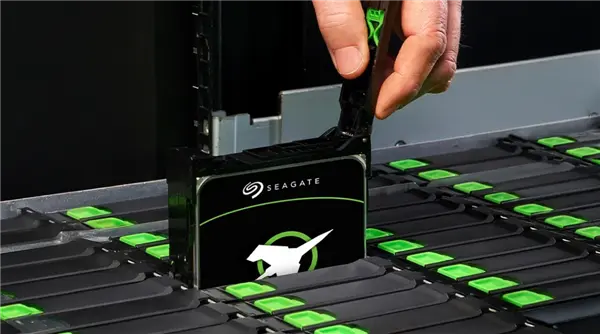
Storage costs shift as high-capacity drives see steep price hikes
The specific drive involved is a 26TB mechanical hard drive, a niche product typically used for enterprise-grade or high-end home server builds. Kuai Keji reported the pricing change, noting that the cost rose by approximately 8000 RMB (around $1,190). This particular capacity tier sits at the top of the consumer and prosumer market, making it a sensitive indicator for storage trends. The device itself has not changed, but the financial barrier to owning one has risen sharply.
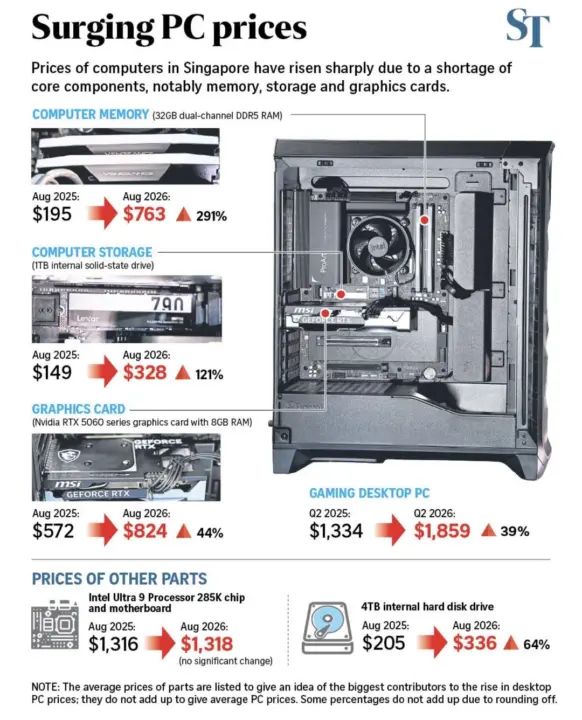
The new pricing landscape shows two distinct tiers for this capacity. The base price sits at 700 USD (around $700) for standard units, while the affected units are now listed at 1850 USD (around $1,850). This represents a steep premium for the same hardware specifications. Buyers looking to assemble 64GB RAM systems or large storage nodes must account for this new baseline when calculating their total build costs.
Other users in the discussion noted similar price adjustments for mainstream RAM and SSDs, suggesting a broader trend in memory and storage costs. However, the report clarifies that this specific price hike is not universal across all 26TB drives. The data comes from a single user's purchase experience, meaning specific models, channels, and active promotions can still offer lower prices. It remains unclear if this pricing trend will persist long-term.
We looked at similar storage market shifts earlier while tracking memory price fluctuations. The current situation serves as a practical warning for those planning large-scale hardware acquisitions. Buyers should verify current pricing across multiple retailers before committing to a purchase. The market is currently favoring sellers, and waiting may result in further cost increases or continued volatility.

Discussion
0 comments
Log in to join the thread with a thoughtful take, question, or correction.