
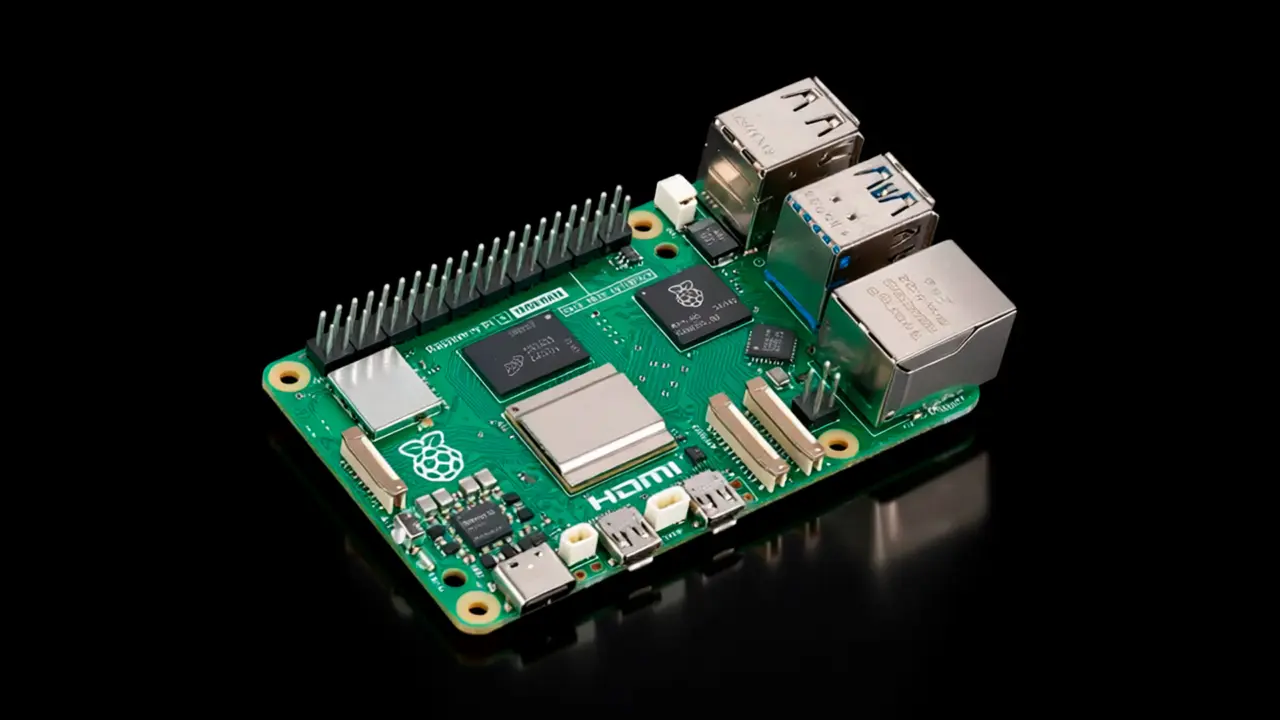
Raspberry Pi Holdings plc is raising prices on its most popular single-board computers, a move that directly impacts builders and hobbyists relying on these devices for low-cost projects. The company attributes the increase to rising costs for LPDDR4 and LPDDR5 memory chips, which are essential components for the Pi 4 and Pi 5 models. This adjustment marks the third price hike of the year for the organization, signaling continued pressure on component supply chains. Buyers should expect higher upfront costs for entry-level configurations starting in October 2026.
Raspberry Pi raises prices on 2GB models due to memory shortages
The price adjustments specifically target the 2GB RAM variants of both the Raspberry Pi 4 and the Raspberry Pi 5. These models have historically served as the primary entry point for educators, students, and makers entering the single-board computer market. By adjusting prices on these specific models, the vendor is passing on memory cost increases to the segment most sensitive to price changes. The change applies to global sales, meaning international buyers will face the same rate increases as domestic customers.
Spec comparison
| Spec | Raspberry Pi 5 2GB | Raspberry Pi 4 2GB |
|---|---|---|
| Price | $77.50 | $67.50 |
| Price Increase | 19% | 23% |
| Memory Type | LPDDR5 | LPDDR4 |
Under the new pricing structure, the Raspberry Pi 5 with 2GB of RAM now sells for $77.50. This represents a 19 percent increase over the previous price point. The Raspberry Pi 4 2GB model has seen an even steeper climb, jumping to $67.50, which reflects a 23 percent increase. These figures confirm that the older Pi 4 platform is absorbing a larger percentage of the cost burden compared to the newer Pi 5 architecture.
The root cause for these increases lies in escalating costs for LPDDR4 and LPDDR5 memory modules. The vendor notes that memory shortages are driving these component prices up significantly. While this update focuses on the 2GB models, previous rounds of increases affected higher capacity variants like the 8GB and 16GB models, with some seeing jumps up to 83 percent. This broader context suggests that memory price volatility remains a persistent challenge for the hardware line.
The confirmed changes take effect immediately for the 2GB variants of the Pi 4 and Pi 5. Builders planning to deploy these specific configurations should account for the higher material costs in their current project budgets. The vendor has not yet announced a timeline for when memory prices might stabilize or if further increases are planned for later in the year.
Discussion
0 comments
Log in to join the thread with a thoughtful take, question, or correction.