
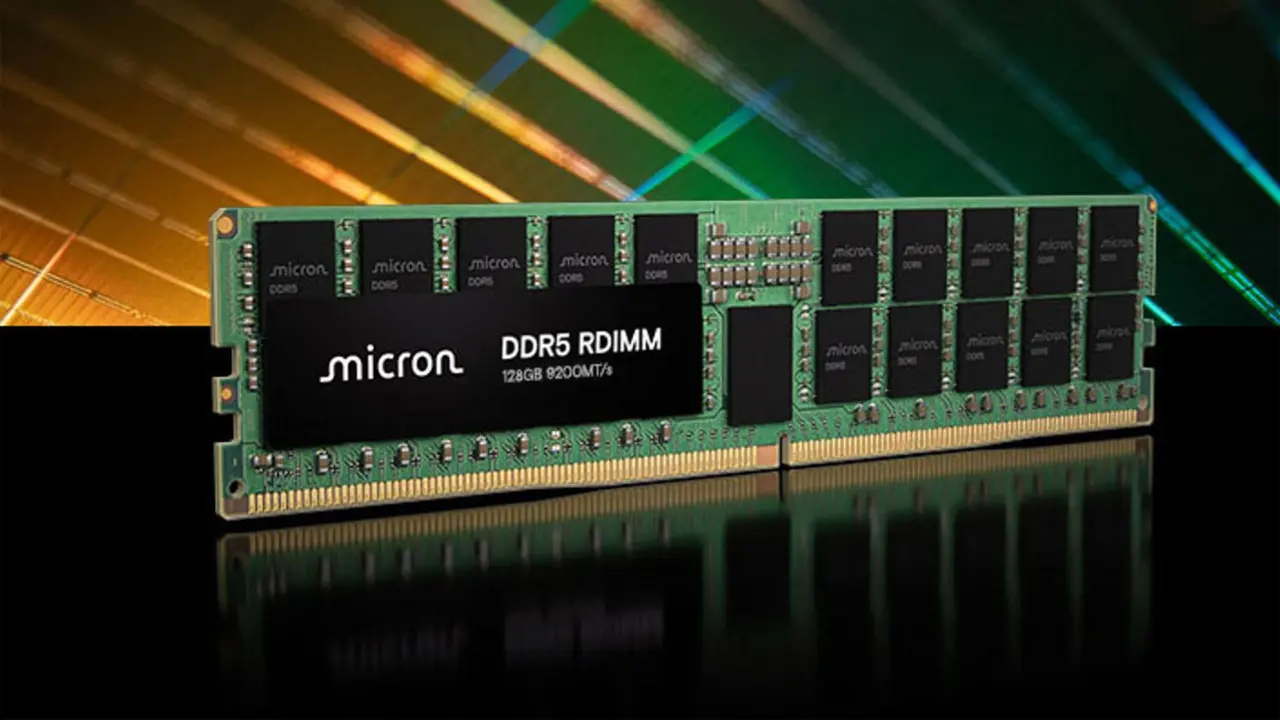
Micron offered record bonuses to its Taiwan workforce in a bid to avert a strike that could disrupt global DRAM supply. The company proposed up to 1,000,000 TWD (around $31,686) in extra cash for employees, aiming to secure production stability during a period of high AI-driven memory demand. Buyers and system builders should watch this closely because a work stoppage at Micron's Taoyuan facility would tighten an already constrained market. The union rejected the offer, setting the stage for a potential labor action that threatens to push memory prices even higher.
Union demands profit share as mediation approaches
The dispute centers on Micron's operations in Taiwan, where the company employs approximately 15,000 people. Micron has invested over 1.6 trillion TWD in the region over the years, making it a critical hub for its memory manufacturing. The Taoyuan Union represents the workers at this site and has firmly opposed the company's latest compensation proposal. This facility produces DRAM chips that feed into the broader supply chain for consumer and enterprise hardware.
Micron's offer included a base cash compensation of 1,700,000 TWD (around $53,866) and a potential bonus of up to 1,000,000 TWD (around $31,686), bringing the average total compensation to roughly 3,400,000 TWD (around $107,732). The union rejected this package, citing a desire for a more sustainable profit-sharing model. They argue that the current offer does not adequately address long-term financial security compared to competitors like Samsung Electronics and SK Hynix. The union's stance remains focused on structural changes rather than one-time payouts.
The union's primary demand is a profit-sharing scheme that allocates 15% of operating profits to employee bonuses. This request diverges significantly from Micron's fixed bonus structure, which the company views as a record investment for the fiscal year. The gap between the company's fixed offer and the union's percentage-based demand has stalled negotiations. Mediation efforts are currently underway to bridge this financial divide before labor actions escalate.
A second round of mediation is scheduled for September 21, with both parties expected to present their final positions. The outcome of these talks will determine whether a strike occurs and how severely it impacts global DRAM availability. If negotiations fail, the resulting disruption could exacerbate price hikes already driven by strong demand for AI-related memory products. We've been tracking DRAM closely — see our earlier coverage on Exceleram Warns DRAM Memory Shortage Crisis.
The situation remains unresolved as both sides hold firm on their respective financial demands. Micron maintains that its bonus package represents a significant investment in its workforce, while the union insists on a share of ongoing profits. The next few days will clarify whether the Taoyuan facility continues production or enters a strike phase. Global memory markets are waiting to see if this dispute leads to a prolonged supply constraint.

Discussion
0 comments
Log in to join the thread with a thoughtful take, question, or correction.