
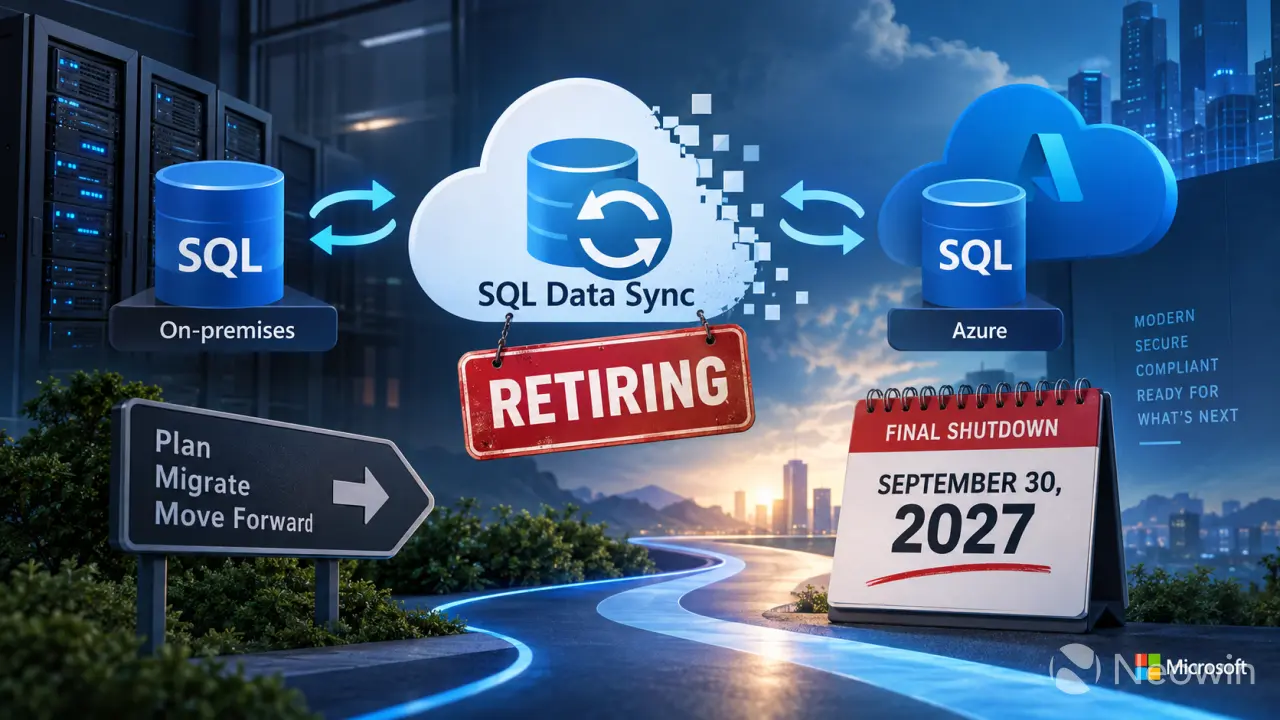
Microsoft has started the final phase of retirement for SQL Data Sync, a move that ends the service's lifecycle for users relying on it. This change matters because organizations using the tool for database synchronization must now find alternative solutions before the service shuts down completely. The discontinuation marks a clear endpoint for a feature that previously helped manage data consistency across distributed SQL environments.
Organizations must migrate data workflows as the service shuts down
SQL Data Sync was a software service provided by Microsoft to synchronize data between SQL Server instances. The tool enabled administrators to synchronize multiple databases without the need for complex custom development or third-party middleware. Operating within the SQL Server ecosystem, the service targeted enterprises requiring reliable data replication across various locations.
The retirement process is now in its final stage, meaning the service will no longer receive updates or support. Microsoft has confirmed that this phase initiates the end of the product's availability for new or existing configurations. Users will need to migrate their data synchronization workflows to other supported methods as the service becomes fully inactive.
This shutdown affects any application or system that depends on SQL Data Sync for its data consistency requirements. Teams currently using this tool should review their existing architecture to ensure a viable replacement is in place. The discontinuation eliminates a legacy database replication option, encouraging users to adopt modern alternatives or native SQL Server features.
Microsoft is now concluding the lifecycle of SQL Data Sync, leaving no further development or support for the service. Users must act quickly to transition their data synchronization needs to other platforms or methods. The final phase of retirement ensures that the service will be fully decommissioned, closing a chapter for legacy database management tools.


Discussion
0 comments
Log in to join the thread with a thoughtful take, question, or correction.