
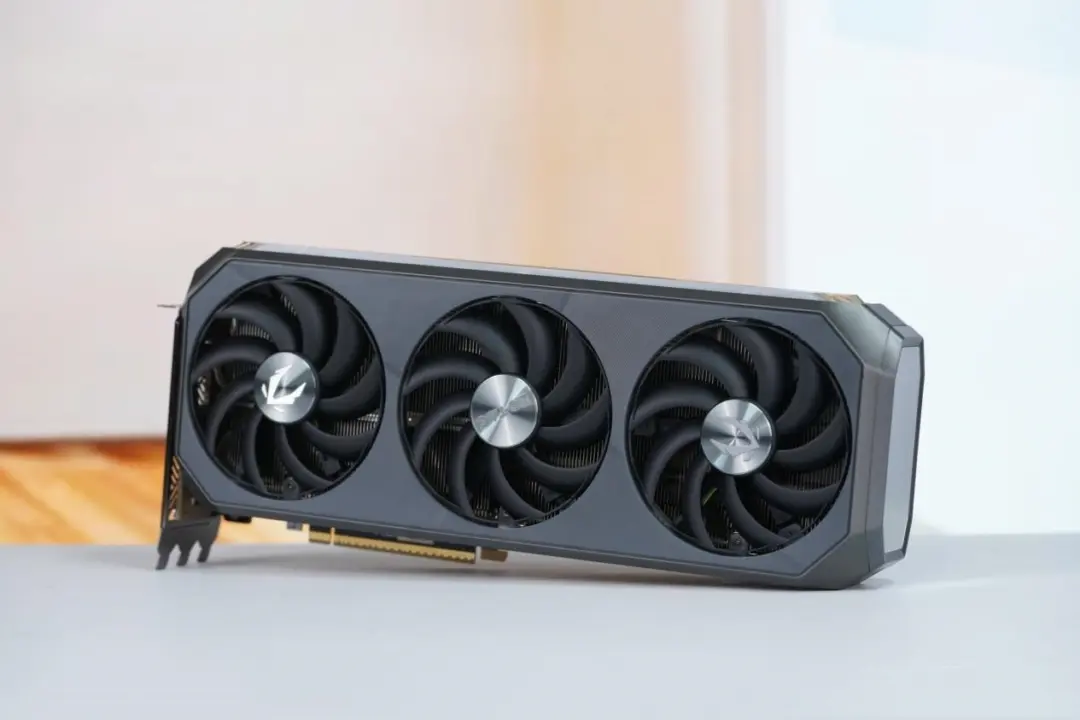
NVIDIA's RTX 5080 arrives with a steep price tag that challenges its value in the current high-end market. The $999 MSRP places significant financial pressure on buyers who expect a proportional leap in performance over previous generations or competing cards. This pricing strategy forces a direct comparison with AMD's latest offerings and NVIDIA's own lower-tier silicon.
TechSpot calls the $999 card the most meaningless GPU of its generation
The graphics card relies on a 256-bit memory bus and 16GB of GDDR7 memory running at 30Gbps. It packs 10752 CUDA cores and carries a 400W thermal design power rating. These specifications define the hardware foundation that TechSpot analyzed to reach its conclusions about the product's market position.
RTX 5080 Specifications
- Memory: 16GB GDDR7
- Memory Bus: 256-bit
- Memory Speed: 30Gbps
- TDP: 400W
- CUDA Cores: 10752
TechSpot's analysis highlights a stark contrast between the RTX 5080's cost and its performance gains. The card costs approximately 67% more than the AMD Radeon RX 9070 XT, which retails for $599. Despite this premium, the RTX 5080 delivers only about 20% faster performance than the AMD competitor. This narrow performance gap fails to justify the substantial price difference for most consumers.
Even when compared to NVIDIA's own RTX 5070 Ti, the RTX 5080 shows diminishing returns. The 5080 features 20% more CUDA cores than the 5070 Ti but yields only a 15% average performance improvement. TechSpot recently updated its mid-2026 GPU performance rankings, naming the NVIDIA RTX 5080 the 'most meaningless GPU' of this generation due to this awkward value proposition.
We have been tracking RTX 5080 closely and covered the MSI RTX 5080 Scam where a buyer received a mug instead of the GPU. The RTX 5080 ships with 16GB GDDR7 memory and a 400W TDP at a $999 price point, but its performance gains remain modest relative to its cost.

Discussion
0 comments
Log in to join the thread with a thoughtful take, question, or correction.