
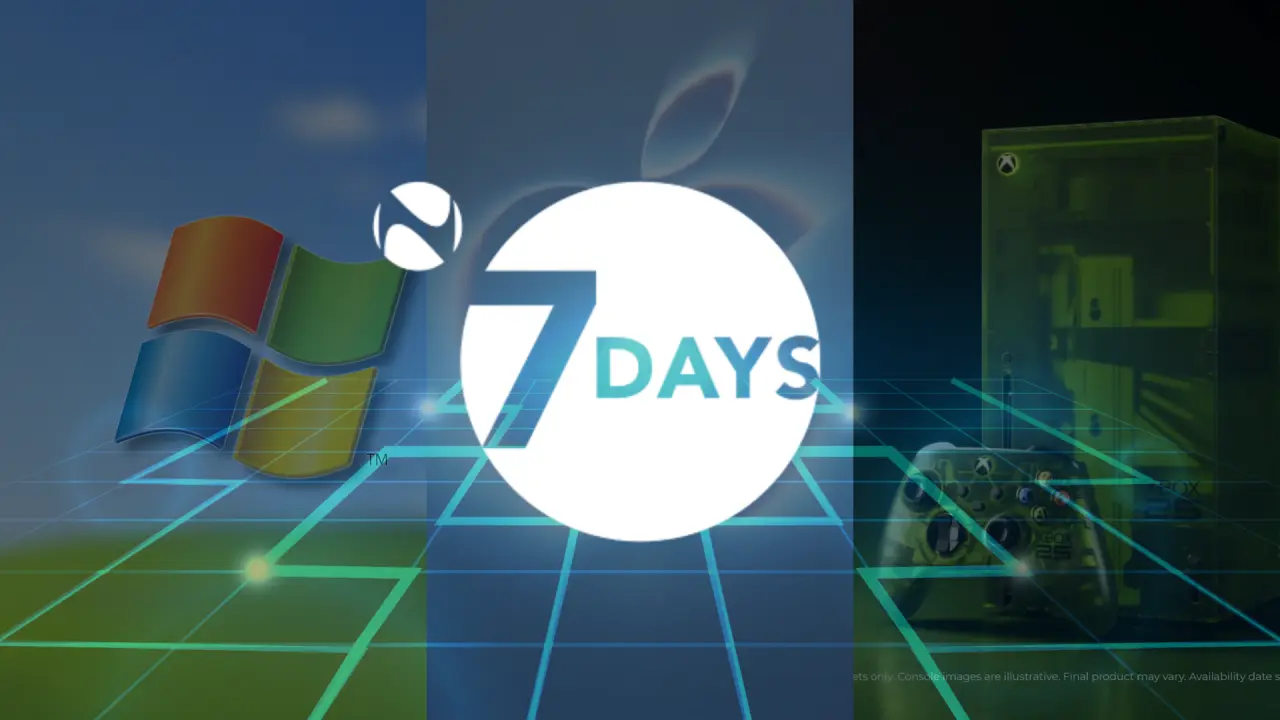
Windows XP is marking a quarter-century milestone, a moment that highlights the software's unexpected longevity in a market that typically discards older systems. The 25th anniversary highlights how legacy operating systems can maintain relevance far beyond their intended support windows. For users and enterprises still running this platform, the date underscores the practical challenges of maintaining security and compatibility in a modern digital environment.
Legacy operating system maintains relevance despite security risks
Microsoft originally released Windows XP in 2001, establishing a foundation that would define personal computing for years to come. The operating system introduced a more intuitive user interface and improved stability compared to its predecessors, which contributed to its widespread adoption across both home and business sectors. Despite being superseded by newer versions of Windows, the platform continues to operate on a significant number of devices globally.
The 25th anniversary of Windows XP coincides with other major tech milestones, including the 25th anniversary of the original Xbox console. Apple has also confirmed an upcoming iPhone event, adding to the week's notable tech announcements. These simultaneous celebrations highlight the cyclical nature of the technology industry, where legacy products and new releases share the spotlight.
While Windows XP is no longer supported by Microsoft, its market presence remains a subject of interest for industry analysts. Some reports suggest that the operating system still holds a higher market share than newer versions like Windows 8 in certain niche segments. This persistence reflects the difficulty many organizations face when migrating away from stable, albeit outdated, software environments.
We have been tracking Windows XP closely over the years, and our earlier coverage on the Windows XP 25th Anniversary provides additional context on its enduring impact. The anniversary serves as a factual marker for the software's history rather than an endorsement of its current usability. Users should remain aware that relying on unsupported software carries inherent security risks in today's threat landscape.

Discussion
0 comments
Log in to join the thread with a thoughtful take, question, or correction.