
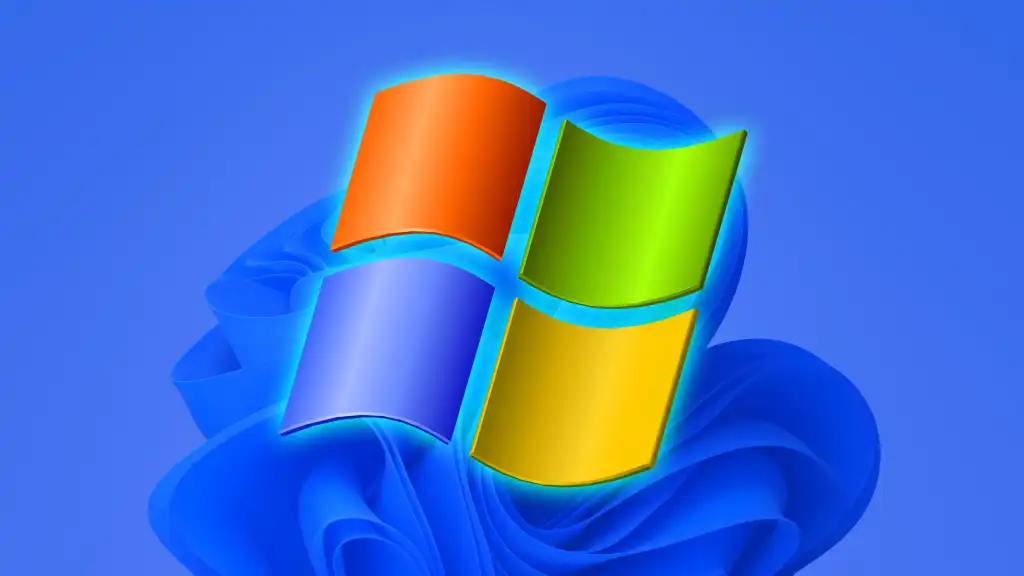
Windows XP marks its 25th anniversary in 2026, a milestone that highlights the operating system's unusual longevity in the modern computing landscape. The 25th anniversary highlights the enduring presence of legacy software in global infrastructure decades after its 2001 launch. The persistence of Windows XP illustrates the ongoing difficulties organizations face when migrating older systems to supported platforms. The event draws attention to the stark contrast between Microsoft's historical claims and current usage statistics.
Legacy operating system usage exceeds Windows 8 in 2026
Microsoft launched Windows XP on October 25, 2001, positioning it as a transformative leap in personal computing. The company historically described the release as the most important Windows version ever created. This bold claim stemmed from the OS's foundation on the Windows NT architecture, which prioritized stability over the consumer-friendly but fragile interfaces of its predecessors. The NT core offered significantly fewer system crashes compared to the Windows 95, 98, and ME lineage.
Despite its age, Windows XP maintains a measurable footprint in the global market. Statcounter data indicates the operating system holds a 0.09% share of worldwide usage in 2026. The 0.09% market share indicates notable persistence for software that has long since reached its end of life. Ongoing usage suggests that many organizations rely on Windows XP for specialized legacy applications incompatible with modern environments.
The current market share of Windows XP exceeds that of Windows 8, which holds only 0.02% according to the same data. The comparison illustrates how older, stable systems like Windows XP can outlast newer, less adopted versions in specific niches. Meanwhile, Windows 95 is also celebrating its 31st anniversary this year, marking another era of computing history. The concurrent anniversaries of Windows XP and Windows 95 highlight the fragmented nature of the global software ecosystem.
The 25th anniversary of Windows XP serves as a factual marker for the evolution of operating system stability and adoption. The data confirms that legacy software continues to play a role in global digital infrastructure. Microsoft's historical emphasis on XP's importance remains relevant when viewed through the lens of its enduring technical foundation.
Discussion
0 comments
Log in to join the thread with a thoughtful take, question, or correction.