
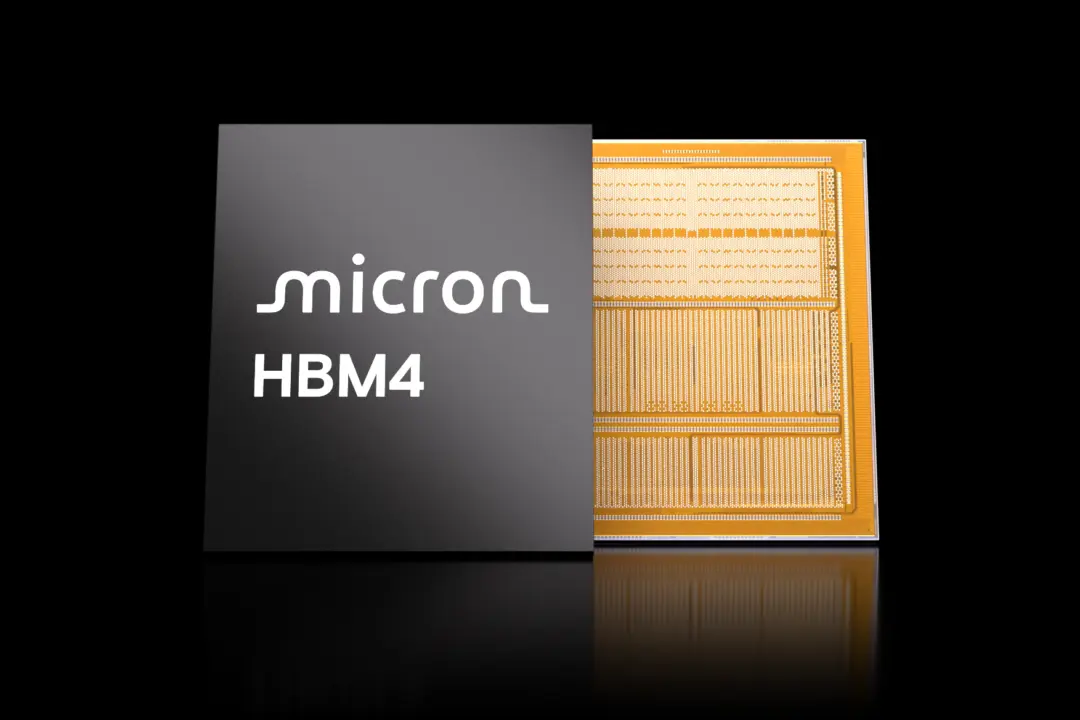
Micron's latest analysis at Hot Chips 2026 highlights a critical bottleneck in AI infrastructure that threatens to stall system performance. The company argues that the 'Memory Wall' is widening because compute capabilities are advancing three times faster than memory bandwidth every two years. This divergence forces data centers to spend more time waiting for data than processing it, directly impacting training efficiency for large language models.
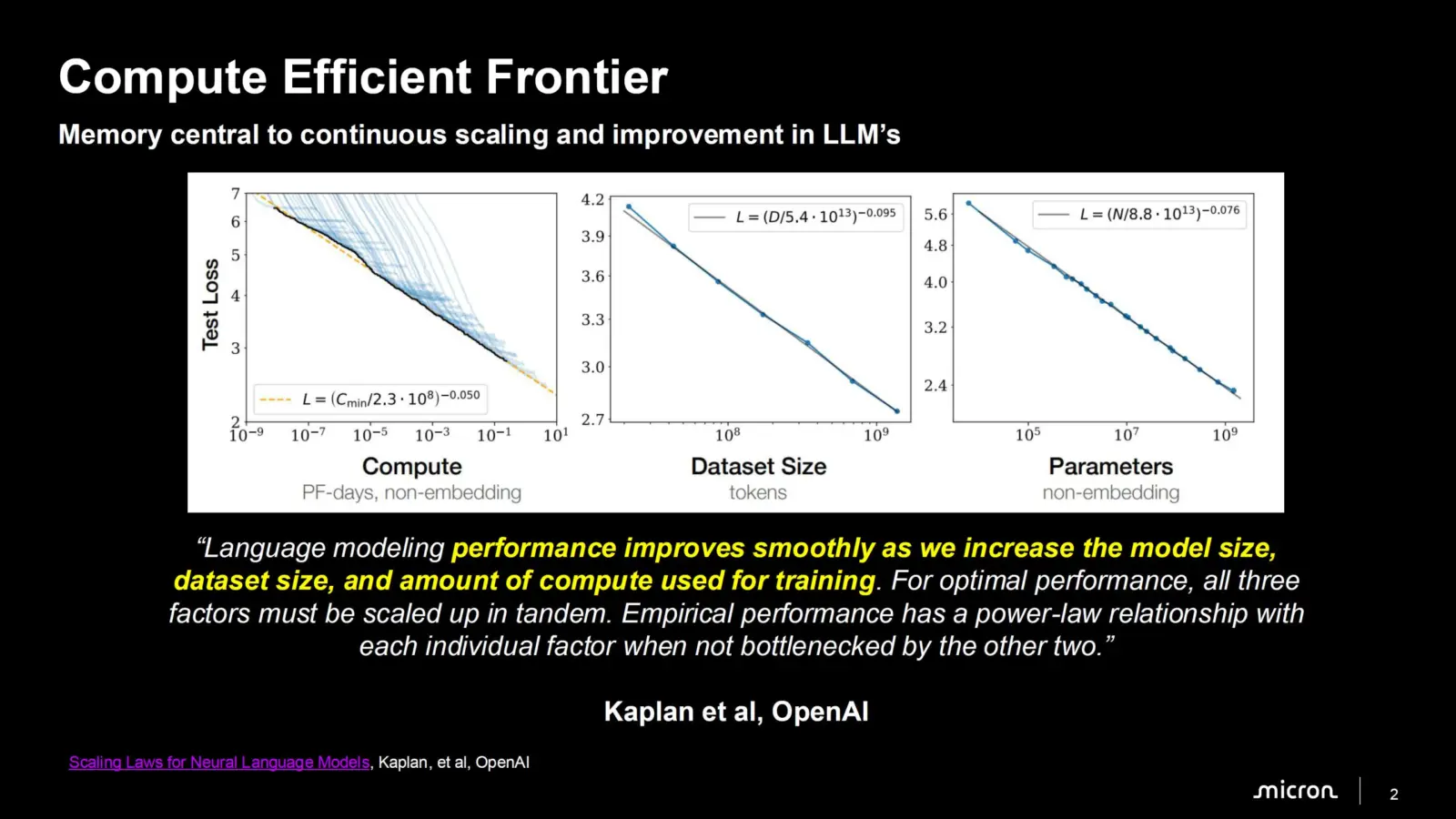
Micron HBM instability caused 17% of Meta Llama 3 training interruptions
The core of this issue lies in the limitations of High Bandwidth Memory (HBM) as current AI accelerators demand more throughput than the interconnects can reliably support. Micron points to real-world failures to illustrate the severity of the problem, noting that HBM instability accounted for 17% of training interruptions during Meta's Llama 3 development. These hardware-level failures disrupt long training runs and increase the cost of developing foundational models.
To address these thermal and bandwidth constraints, Micron is proposing a combination of advanced packaging techniques and process innovations. The company suggests that physical improvements to how memory chips are stacked and connected to processors can help mitigate the heat buildup that currently limits performance. These technical adjustments aim to sustain higher data rates without exceeding the thermal headroom of existing server designs.
This presentation underscores the growing complexity of building AI hardware that keeps pace with algorithmic advancements. Buyers and engineers must now account for memory reliability as a primary constraint in system architecture rather than a secondary specification. The industry faces a clear choice between accepting slower compute scaling or investing heavily in next-generation memory packaging solutions.


Discussion
0 comments
Log in to join the thread with a thoughtful take, question, or correction.