
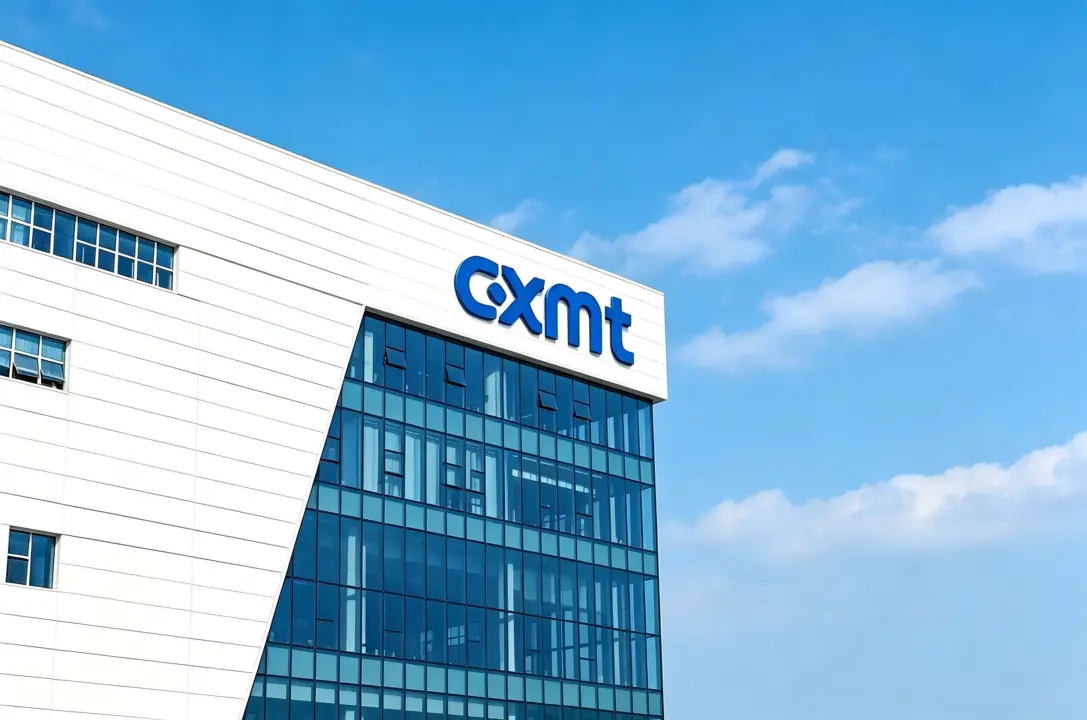
CXMT has improved its DDR5 manufacturing yield to over 90 percent, a milestone that narrows the gap with established industry leaders. This progress matters because it challenges the dominance of the three major DRAM makers who control more than 90 percent of the global market. Buyers and system integrators now have a viable alternative source for high-speed memory components.
Chinese memory vendor achieves parity with Samsung in production efficiency
The Chinese memory vendor achieved this yield rate using its 17nm manufacturing process. This technical achievement places CXMT in direct competition with Samsung, which maintains a 92 to 93 percent yield for its equivalent DDR5 products. The proximity in yield rates suggests CXMT is approaching parity in production efficiency.
- DDR5 Yield Rate: Over 90%
- Manufacturing Process: 17nm
- Competitor Yield Rate: 92% to 93%
- Global DRAM Market Share: Over 90%
Major PC manufacturers are responding to these supply chain developments with mixed strategies. Dell has reportedly banned the use of CXMT chips in its devices, while HP restricts CXMT memory to the China mainland market. ASUS and Acer have adopted CXMT chips, primarily for laptops sold in China and emerging markets.
PC vendors remain cautious about large-scale adoption due to the entrenched position of the Big Three DRAM manufacturers. However, major PC manufacturers completed certification for CXMT DRAM chips by mid-2024. We looked at ASUS BIOS Update Boosts CXMT DDR5 earlier while tracking Cxmt (changxin memory technologies) launches.
The current landscape shows a fragmented adoption pattern where certification is widespread but procurement policies vary by region and vendor. CXMT has secured a foothold in the laptop market through partnerships with ASUS and Acer, despite resistance from Dell and HP. This divergence in procurement strategies suggests that supply chain diversification is advancing gradually.


Discussion
0 comments
Log in to join the thread with a thoughtful take, question, or correction.