
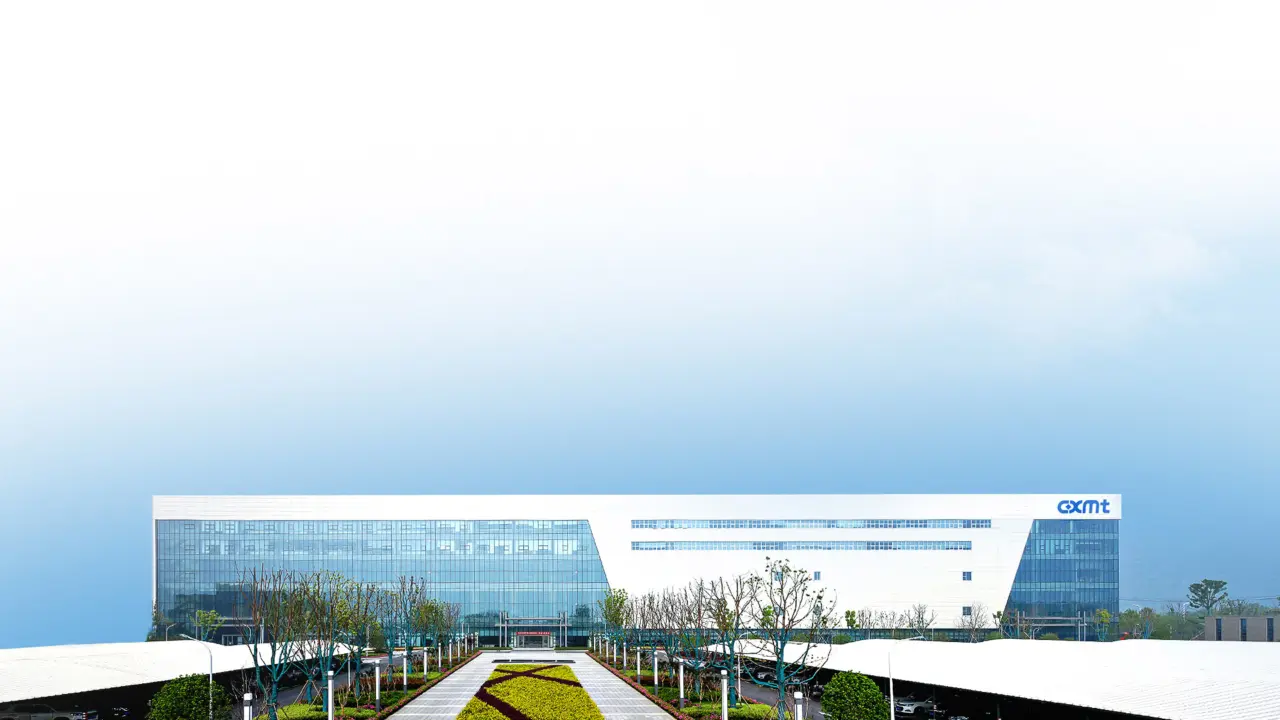
China's CXMT is expanding its DRAM manufacturing footprint with plans for a sixth fab in Beijing, a move that could significantly reshape the global memory market. The company aims to capture 30% of the global DRAM market by 2030, challenging the dominance of established Western and South Korean rivals. This aggressive growth strategy matters to buyers because increased domestic production may eventually stabilize supply chains and introduce new competitors into the DRAM pricing landscape.
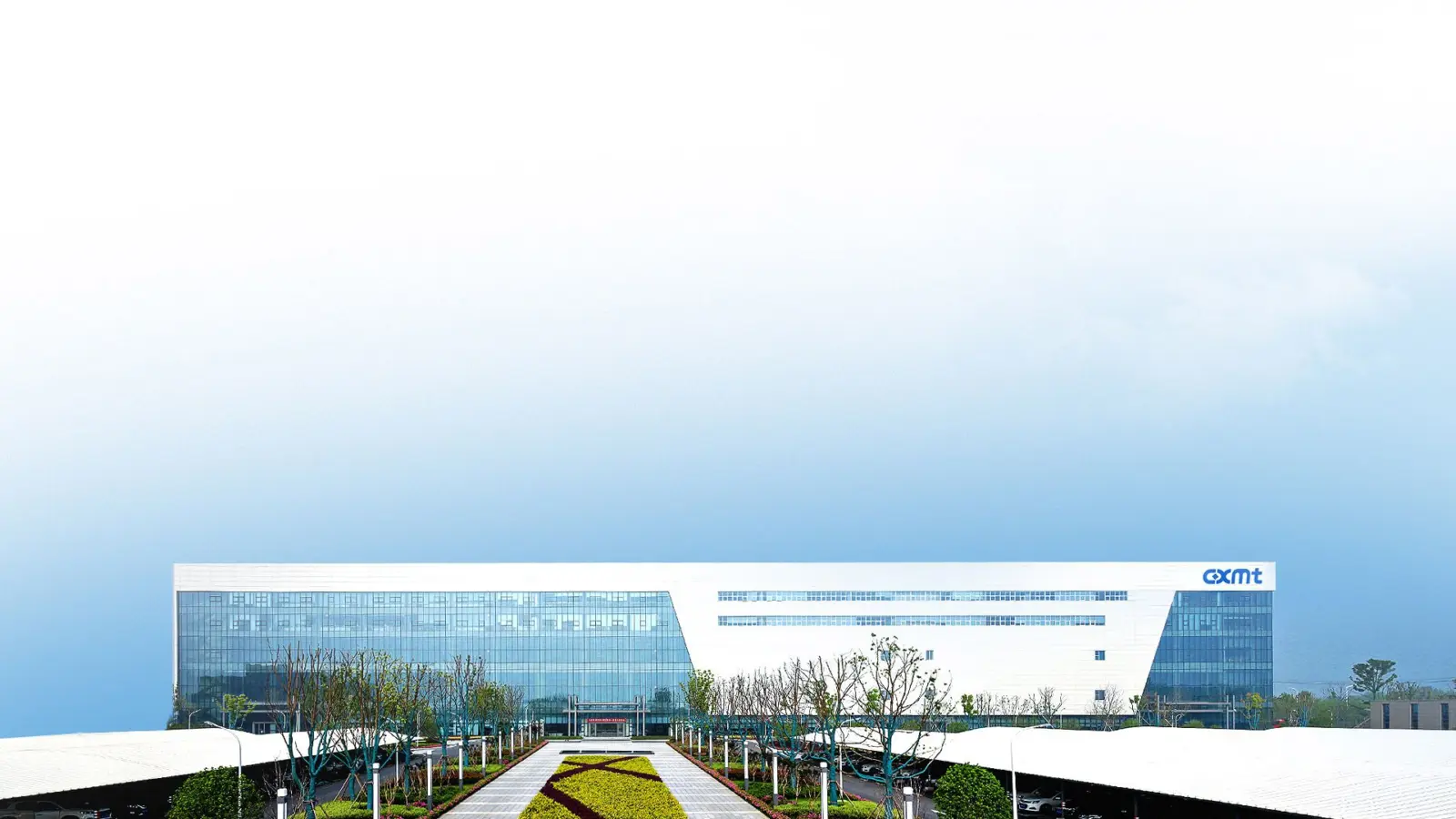
Chinese memory maker plans sixth fab to reach 950,000 WSPM capacity
CXMT is currently considering building its sixth DRAM fabrication plant in China's Yizhuang district. The company is already qualifying its DRAM products with major PC makers, including Apple, Dell, HP, Acer, and Asus. These design wins indicate that CXMT's memory chips are meeting the rigorous standards required by top-tier consumer electronics manufacturers. The expansion represents a shift from mere qualification to massive scale-up in manufacturing capacity.
CXMT DRAM Capacity Targets
- Current Output: ~300,000 WSPM
- 2026 Target: 350,000 WSPM
- 2030 Target: ~950,000 WSPM
- Market Share Goal: 30%
Current manufacturing output sits at approximately 300,000 wafer starts per month (WSPM). Citrini Research models suggest that CXMT could exit 2026 with a capacity of 350,000 WSPM. By 2030, the company aims to reach a production capacity of around 950,000 WSPM. This target implies that total manufacturing capacity could double to over 600,000 WSPM with the addition of new fabs.
China aims to capture 30% of the global DRAM market by 2030, according to Dan Niles of Niles Investment Management. Niles believes that many investors underestimate how much share CXMT could capture over the coming years. He also notes that China may seize a larger portion of the market than currently anticipated. These projections highlight the potential for a major shift in global memory supply dynamics.
The expansion faces significant bottlenecks from US export controls on advanced chipmaking tools. Discussions regarding the sixth fab remain preliminary, and neither the overall size nor the structure of the financing package has been finalized. Export controls may bottleneck advanced tool access, complicating the path to 950,000 WSPM. We looked at CXMT's earlier qualification efforts while tracking these expansion plans.
CXMT's sixth fab plans signal a push for greater self-sufficiency in China's semiconductor industry. The company targets 950,000 WSPM by 2030 despite facing regulatory headwinds. Major PC makers are already qualifying CXMT DRAM, providing a foundation for future demand. The success of this expansion will depend on overcoming tool access restrictions.

Discussion
0 comments
Log in to join the thread with a thoughtful take, question, or correction.