
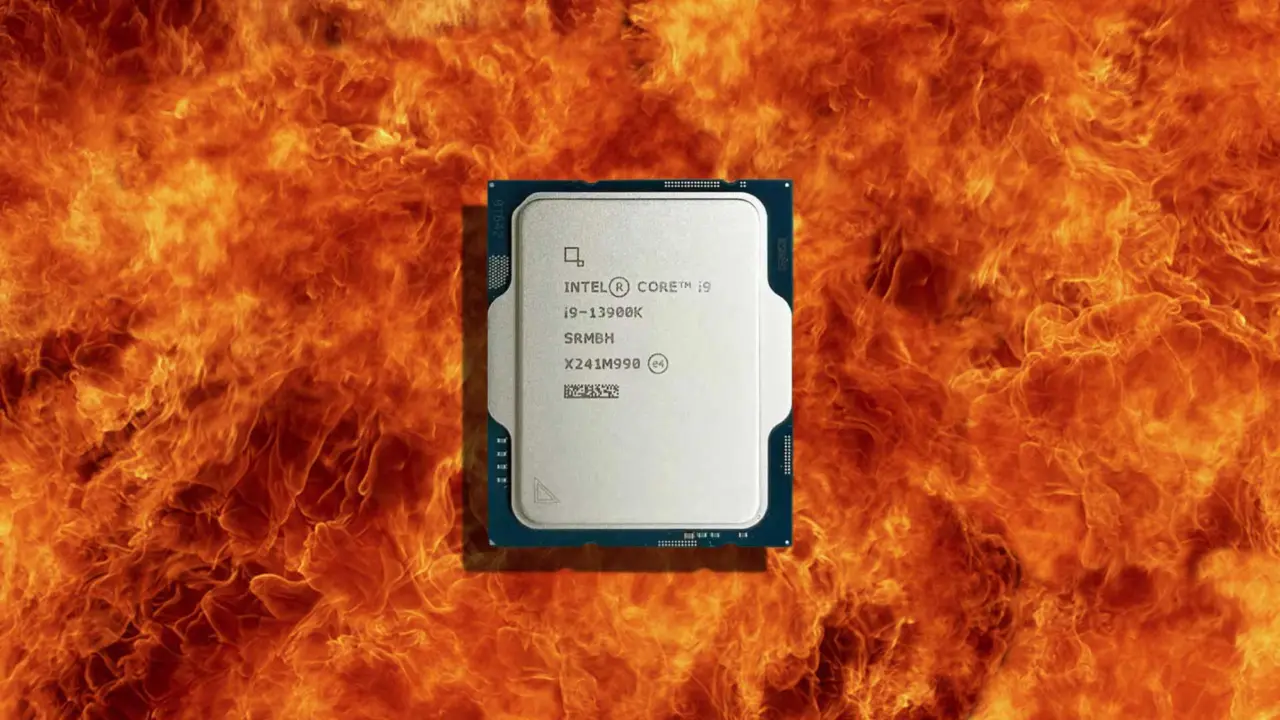
A user monitoring their Intel Core i9-13900K reported a temperature reading of 155 degrees Celsius while the chip drew only 93 watts. This alarming figure suggests a catastrophic cooling failure, but the data likely points to a software glitch rather than a physical defect. Readers should not panic about their hardware melting, as the reading contradicts the processor's known thermal behavior. We can explain why this number appears and how to fix the monitoring display.
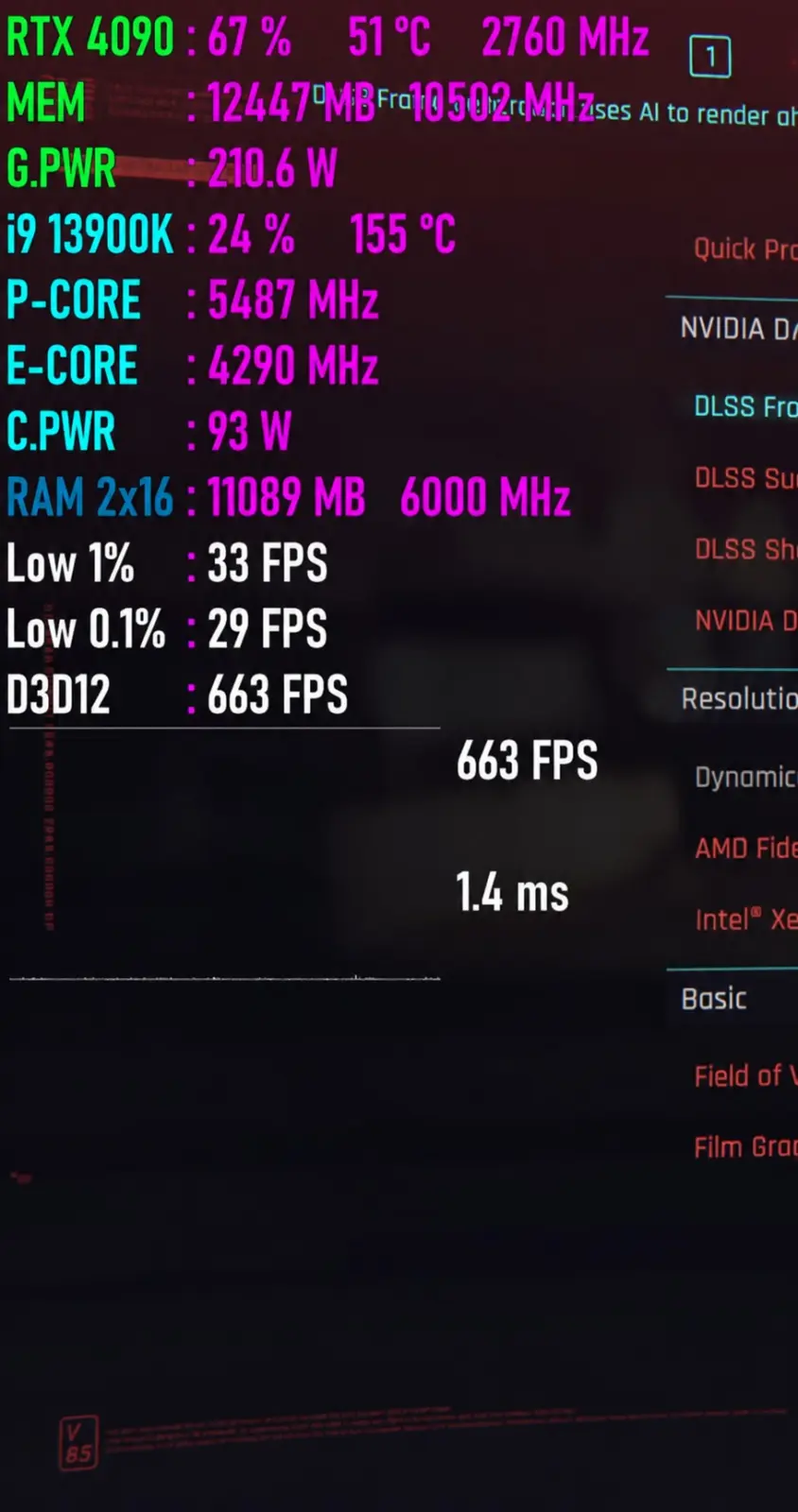
User reports impossible temperature while chip draws moderate power
The Core i9-13900K is a high-performance desktop processor designed for demanding workloads and gaming. Intel specifies a maximum thermal throttling limit of 100 degrees Celsius for this chip. The processor is engineered to reduce clock speeds and power consumption long before it reaches dangerous heat levels. A genuine 155 degrees Celsius would trigger immediate thermal shutdown to protect the silicon.
- Thermal Throttling Limit: 100°C
- PL1 Power Limit: 125W
- Maximum Power Draw: 253W
- Observed Power Draw: 93W
- Reported Temperature: 155°C (likely 155°F / 68.3°C)
The reported 155 degrees Celsius reading occurred during a load that consumed just 93 watts of power. Intel defines a sustained power limit (PL1) of 125 watts for the Core i9-13900K. The chip can draw up to 253 watts under extreme conditions without power limits. The 93-watt draw indicates a moderate load, not a stress test that would push the CPU to its thermal ceiling.
The 155-degree Celsius figure is almost certainly a software bug that misinterpreted Fahrenheit as Celsius. The value 155 degrees Fahrenheit converts to 68.3 degrees Celsius, which is a plausible operating temperature for a 93-watt load. Users seeing this error should restart their monitoring applications, such as MSI Afterburner, to reset the display. This simple step usually corrects the unit conversion error and shows the accurate temperature.
We touched on Intel i9-14901KE in our earlier Intel coverage while tracking recent processor developments. The Core i9-13900K remains a viable option for users who need high core counts and strong single-thread performance. The monitoring glitch does not reflect the actual thermal design or reliability of the processor. Buyers can rely on the chip's standard thermal limits when configuring their cooling solutions.


Discussion
0 comments
Log in to join the thread with a thoughtful take, question, or correction.