
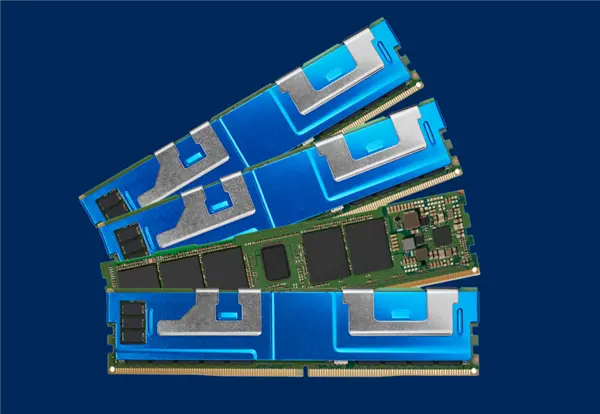
Intel ended the Optane Memory product line in 2022, closing the door on a storage technology that promised to bridge the gap between fast DRAM and slower NAND flash. This discontinuation matters because it removes a hardware option that offered significantly lower latency than standard solid-state drives, leaving a performance gap for specialized workloads. This decision marks the end of Intel's efforts in a specialized segment where the product failed to gain widespread consumer use despite its technical merits.
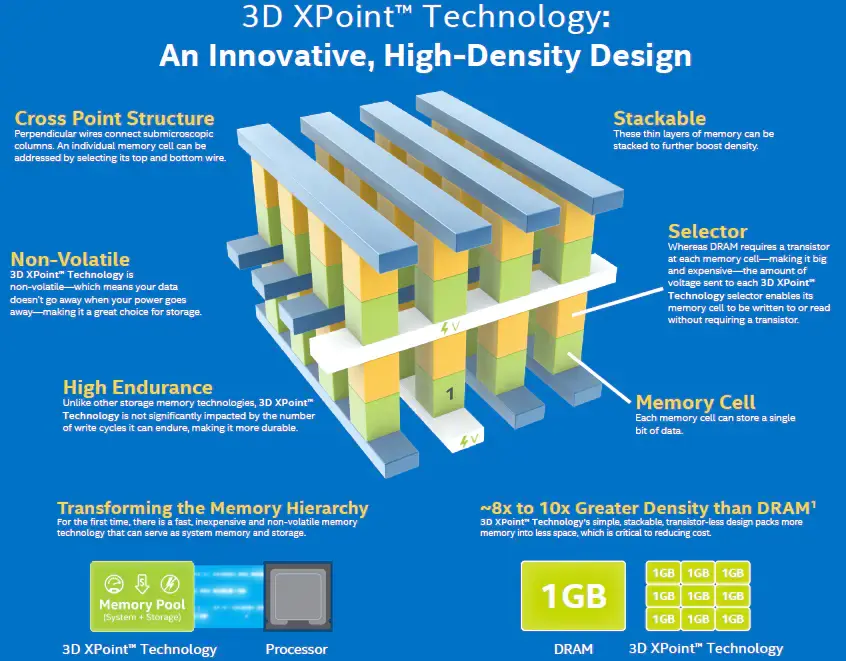
The end of 3D XPoint storage removes a low-latency hardware option for specialized workloads
The Optane Memory brand relied on 3D XPoint technology, a phase-change memory architecture that Intel developed jointly with Micron. This non-volatile storage medium operated at speeds closer to memory modules than traditional flash storage, offering durability that Intel claimed was 1000 times greater than NAND flash. The product served two distinct markets with different capacity goals, targeting both enterprise data centers and consumer desktops.
Optane Memory Specifications
- Technology: 3D XPoint (PCM phase-change memory)
- Consumer Capacity: 16GB and 32GB
- Enterprise Capacity: Up to 512GB per stick
- Durability Claim: 1000x that of NAND flash
Enterprise configurations utilized Optane sticks with a maximum capacity of 512GB per module, providing high-throughput access for critical database operations. Consumer versions offered smaller form factors in 16GB and 32GB capacities, designed primarily to accelerate mechanical hard drives in personal computers. The technology bridged the performance divide by caching frequently accessed data, reducing wait times for system operations that relied on slower storage media.
Analysts note that the technology was ahead of its time and would have been particularly suitable for modern artificial intelligence workloads requiring fast key-value store access. The removal of this product line creates a gap for workloads requiring fast storage that is more affordable than traditional DRAM. Intel's decision under CEO Pat Gelsinger marks the end of an era for phase-change memory in the consumer and enterprise hardware markets.

Discussion
0 comments
Log in to join the thread with a thoughtful take, question, or correction.