
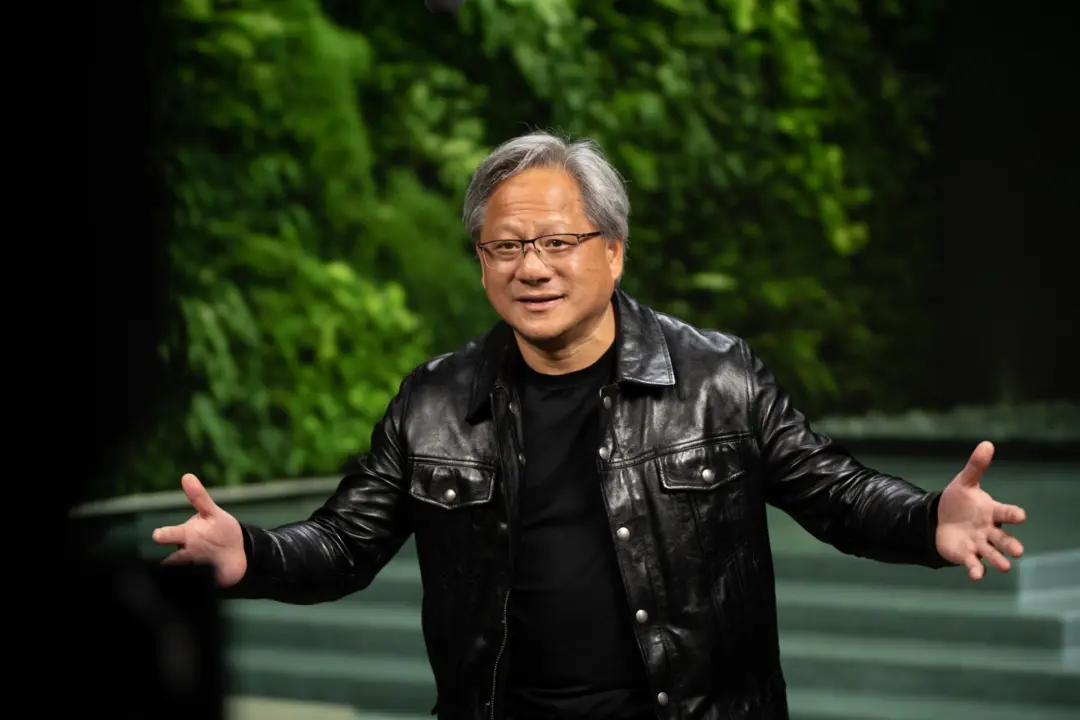
NVIDIA CEO Jensen Huang posted his first personal message on X on July 24, 2024, signaling a shift in how the company engages with the open-source AI community. This move matters because it clarifies NVIDIA's stance on the growing tension between open development and proprietary hardware sales. The post supports an open letter from 25 tech companies advocating for open-source AI models, which suggests the company is aligning itself with broader industry trends. Buyers and developers should note that this public endorsement does not change the underlying hardware requirements for running these models at scale.
CEO statement links open model adoption to hardware demand
The core of Huang's message revolves around the business logic of supporting open-source AI while maintaining strict control over the underlying infrastructure. He promoted open source but emphasized that every local deployment of these models drives demand for computing power. This strategy leverages open-source AI to drive demand for distributed computing infrastructure centered on NVIDIA GPUs. The company continues to protect its competitive moat through the CUDA software ecosystem and proprietary hardware integrations like NVLink. This dual approach allows NVIDIA to benefit from the network effects of open-source adoption while locking users into its proprietary stack.
The strategic implication is that the popularity of open-source AI directly correlates with increased GPU sales. As open-source models become more widely adopted and deployed locally, the need for high-performance computing resources grows. Each local deployment of these models represents a potential GPU order for NVIDIA. This dynamic creates a feedback loop where open-source advocacy fuels hardware sales rather than undermining them. The company's focus remains on providing the necessary compute infrastructure to support these growing computational demands.
This perspective positions NVIDIA as a key enabler of the open-source AI movement, even as it guards its proprietary technologies. The company's support for open-source models is interpreted as a strategic response to political tensions regarding Chinese open-source models like Kimi K3. By backing open development, NVIDIA aims to expand the market for its GPUs across different regions and use cases. The company's continued investment in CUDA and NVLink ensures that its hardware remains the preferred choice for running these advanced models. This strategy reinforces NVIDIA's position as the dominant provider of AI computing infrastructure.
The post highlights the practical reality that open-source software relies heavily on proprietary hardware to function effectively. Users and organizations deploying these models must account for the significant computational resources required. NVIDIA's approach ensures that the company remains central to the AI ecosystem regardless of the software's openness. This strategy supports the growth of the AI industry while securing NVIDIA's market leadership. The company's focus on providing robust computing infrastructure aligns with the increasing demands of modern AI applications.


Discussion
0 comments
Log in to join the thread with a thoughtful take, question, or correction.