
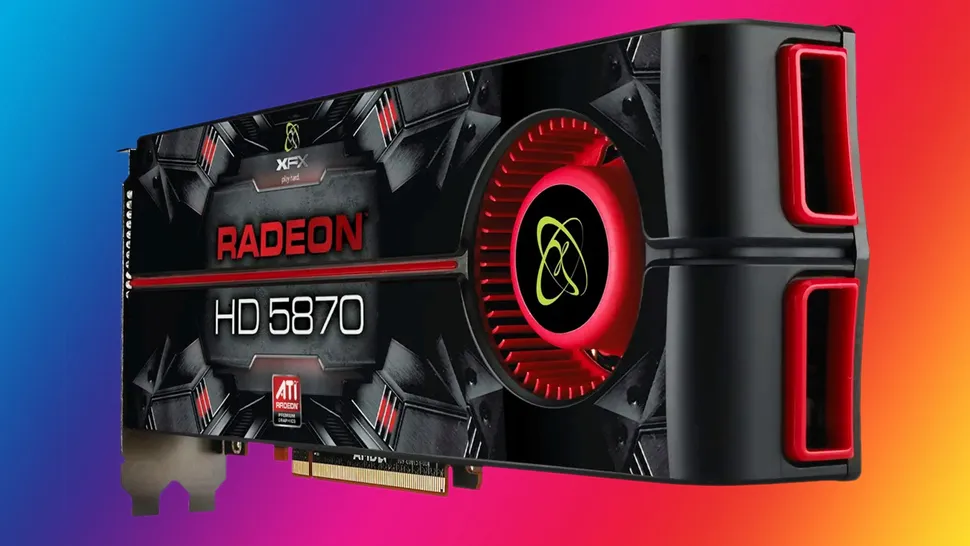
AMD marked the twentieth anniversary of its acquisition of ATI, a $5.4 billion deal announced on July 24, 2006. This merger fundamentally reshaped the personal computer hardware landscape by combining two major industry players. The consolidation allowed the company to control both CPU and GPU technologies under one roof. This structural change directly influenced the development of modern integrated graphics solutions.
Tracing the $5.4 billion merger that unified CPU and GPU development under one roof
The acquisition brought the Radeon graphics brand into the AMD portfolio, creating a unified hardware strategy. AMD CEO Hector Ruiz stated that the agreement would reshape the industry by driving innovation across GPUs and APUs. ATI CEO Dave Orton added that the merger would enable more aggressive innovation in the PC platform. These combined efforts laid the groundwork for the APU architecture that integrates CPU and GPU cores.
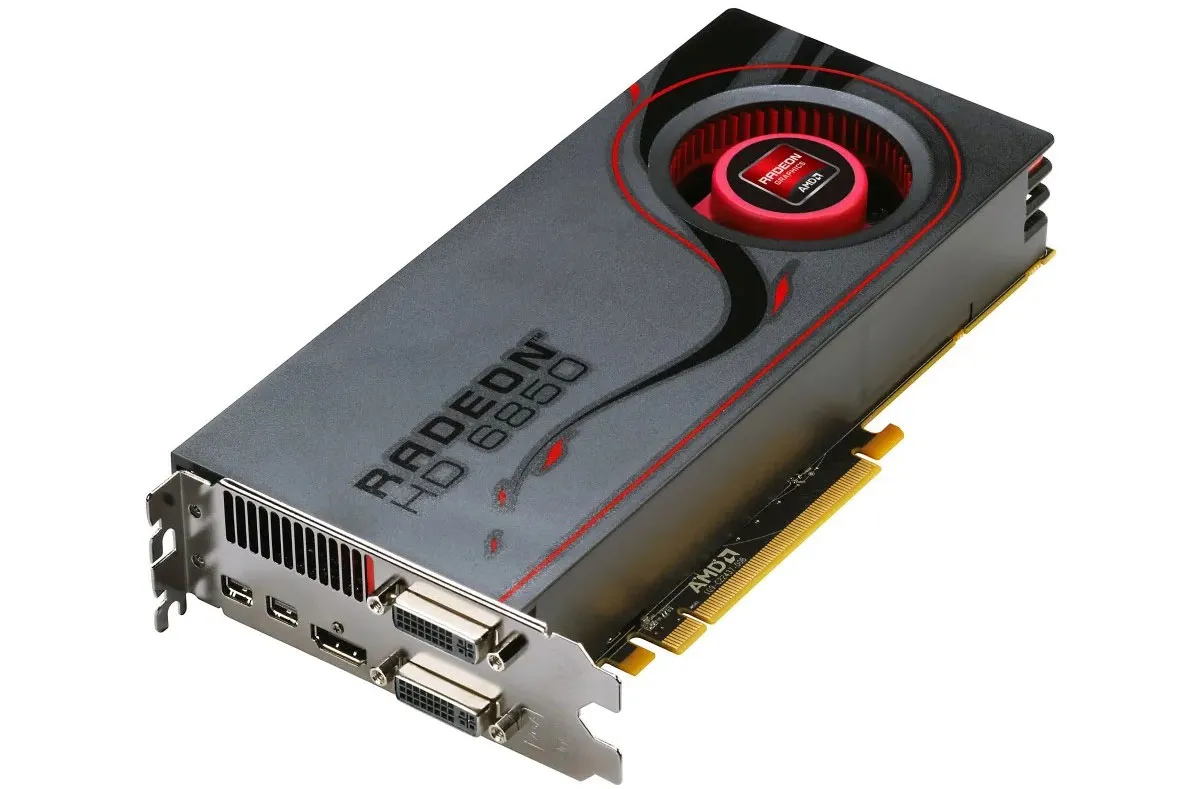
The technical impact of the deal became evident through the development of Accelerated Processing Units. These chips merged Radeon GPU IP with CPU cores to improve performance and efficiency. The strategy also established AMD’s dominance in the console market through semi-custom system-on-chip architectures. This approach allowed the company to supply custom silicon for major gaming consoles.
The ATI brand name was gradually phased out following the acquisition, with the last transitional products appearing around 2010 and 2011. Prior to this deal, AMD had attempted to merge with NVIDIA but failed due to demands from CEO Jensen Huang. The successful acquisition of ATI remains a pivotal moment in hardware history, enabling the integrated graphics solutions that define modern computing.

Discussion
0 comments
Log in to join the thread with a thoughtful take, question, or correction.