
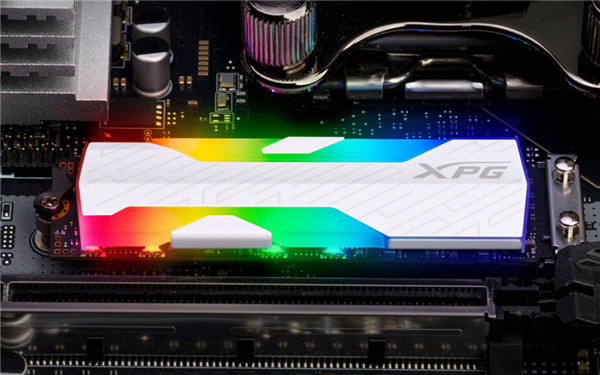
Memory buyers and investors face a decade of tight supply as ADATA Chairman Chen Libai forecasts persistent shortages. This outlook suggests that hardware costs will remain elevated for the foreseeable future, impacting everything from consumer PCs to enterprise data centers. The market is shifting from a surplus environment to one where inventory constraints dictate pricing power.
Chen Libai identifies memory and green power as the world's scarcest resources for the next decade
Chen identifies memory and green power as the two most scarce resources globally for the next ten years. He argues that the industry's focus on artificial intelligence infrastructure is driving demand beyond current production capabilities. This structural shift means that memory manufacturers hold significant leverage in upcoming negotiations with technology buyers.
The chairman expects memory prices to continue rising through the second half of the year. He predicts that manufacturers will see increased profits due to strong demand and limited inventory. This pricing trend is supported by growing requirements from edge computing, robotics, autonomous vehicles, and satellites. These sectors are consuming memory capacity faster than new fabrication lines can replace it.
Chen also addresses the broader economic context of the AI boom. He states that it will be possible to discuss whether an AI bubble will occur after 2030, in 2040 or 2050. This timeline suggests that the current infrastructure build-out is sustainable for the immediate future. Investors should monitor memory supply chains as a leading indicator of long-term tech viability.

Discussion
0 comments
Log in to join the thread with a thoughtful take, question, or correction.