
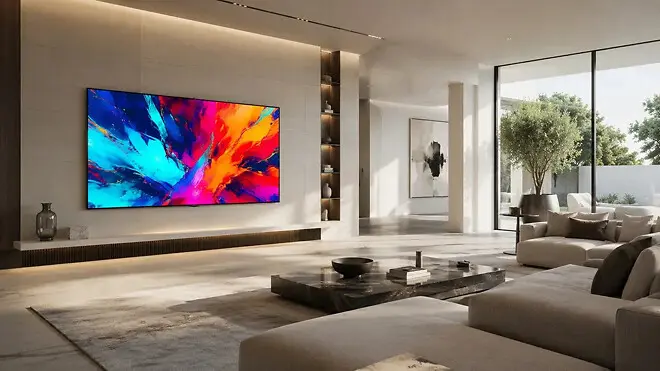
MIT and Samsung researchers have solved a critical durability problem in quantum dot light-emitting diodes (QD-LEDs), a breakthrough that could eventually replace OLED screens in gaming monitors and TVs. The team demonstrated a manufacturing method that extends the lifespan of blue QD-LEDs by up to 5,000 times under harsh testing conditions. This improvement addresses the primary weakness that has prevented self-emissive quantum dot displays from reaching the consumer market.
Acrylic encapsulation stabilizes blue quantum dots for future displays
The researchers achieved this stability by applying an acrylic encapsulation layer to the quantum dots. This physical barrier protects the delicate internal structure of the diodes from degradation caused by exposure to air and moisture. The technology specifically targets blue quantum dot LEDs, which are historically the most unstable component in QD-LED panels. By stabilizing these blue elements, the team has removed the need for organic materials that cause burn-in issues common in OLED technology.
- Lifespan Improvement: 5,000x
- Technology: Acrylic encapsulation
- Target Component: Blue QD-LED
Self-emissive QD-LEDs generate their own light without requiring a backlight, which allows for thinner and more flexible display panels. The new encapsulation technique also improves the luminous efficiency of the devices, meaning they can produce brighter images while consuming less power. Compared to MicroLED technology, this approach offers a path to lower manufacturing costs while maintaining high performance. The acrylic layer ensures that the quantum dots remain chemically stable during operation.
Despite the scientific success, commercial QD-LED televisions or monitors are not yet available for purchase. The researchers noted that industrial development has just begun and it will take several years for these products to reach consumers. This timeline reflects the gap between laboratory validation and mass production. The discovery establishes a viable foundation for future display hardware but does not immediately impact current market offerings.

Discussion
0 comments
Log in to join the thread with a thoughtful take, question, or correction.