
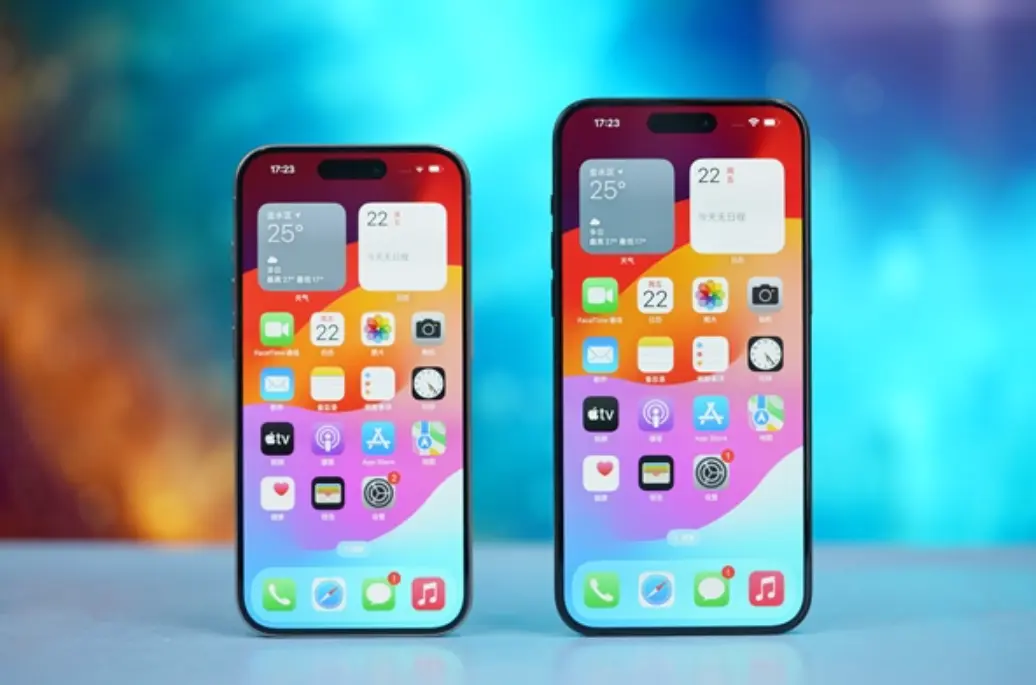
Apple is shifting its AI server strategy from internal development to external acquisition, a move driven by delays in its custom silicon and performance limits in current hardware. This pivot matters because it signals that the company cannot meet its data center goals with its existing M2 Ultra chips alone. Buyers and partners should expect Apple to rely more heavily on third-party infrastructure while it seeks new technology.
Apple pivots to external chip deals after internal Baltra delays
The company is actively looking to buy AI chip firms to speed up its server capabilities. Apple has contacted investment banks and several semiconductor startups to evaluate potential deals. This approach follows a recent $2 billion acquisition of Israeli AI startup Q.ai in January. The strategy highlights a gap in Apple's internal roadmap for high-performance computing.
Internal development has hit a roadblock with the Baltra chip, which Apple designed for next-generation AI tasks. Reports indicate that Baltra encountered delays, creating bottlenecks for data center operations. To handle heavy workloads in the meantime, Apple is outsourcing some tasks to Google Cloud's NVIDIA infrastructure. This reliance on external hardware underscores the urgency of finding an acquisition target.
Apple has held talks with PrismML, a startup that specializes in model compression for on-device AI. These discussions are part of a broader effort to secure specialized technology for its servers. The company is not just looking for raw compute power but also efficient processing methods. This focus on compression suggests Apple wants to optimize how AI models run on its hardware.
Apple is currently using M2 Ultra chips in its data centers, but these units are hitting performance ceilings for AI workloads. The company is exploring acquisitions to bridge the gap until its internal chips are ready. This strategy allows Apple to maintain momentum in AI while it resolves internal development delays. The final outcome of these negotiations will determine the future of Apple's server infrastructure.
Discussion
0 comments
Log in to join the thread with a thoughtful take, question, or correction.