

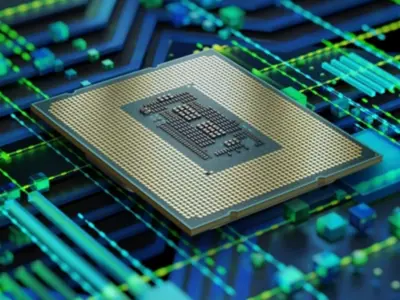
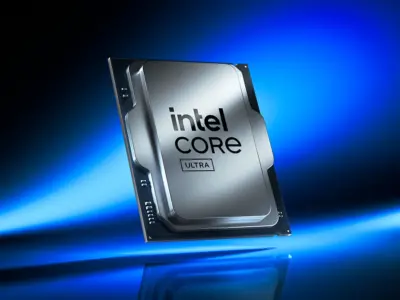
Intel has started mass producing the Core Ultra Series 3 processors, also known as Panther Lake, on its new Intel 18A manufacturing node. This move matters to buyers because it marks the first time a company has shipped High NA EUV logic chips at high volume. The production shift signals that advanced lithography is moving from experimental stages into actual consumer hardware. These processors are positioned to set new standards for high-performance computing.
Intel Foundry reaches 30,000 wafer monthly output ahead of schedule
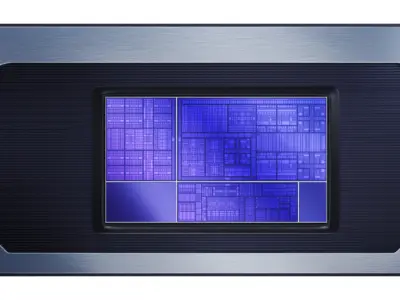
The processors use ASML's High NA EUV lithography technology to pattern the silicon. Intel Foundry handles the manufacturing at Fab 62, which serves as the primary facility for this new process. The company has achieved yield rates for the High NA EUV layers that match existing NXE EUV platforms. This technical milestone allows Intel to produce complex logic circuits with greater precision than previous nodes.
Specifications
- Manufacturing Process: Intel 18A
- Transistor Technology: RibbonFET (Gate-All-Around)
- Power Delivery: PowerVia (Backside Power)
- Lithography: ASML High NA EUV
- Production Facility: Fab 62
The Intel 18A node introduces two key transistor technologies to improve efficiency and power delivery. RibbonFET provides a Gate-All-Around structure that replaces traditional fin designs for better control. PowerVia delivers electricity through the backside of the chip to reduce resistance and improve signal integrity. The integration of RibbonFET and PowerVia technologies supports the performance improvements associated with the Panther Lake architecture.
Current production capacity at Fab 62 stands at 30,000 wafers per month. This volume has already exceeded Intel's original targets ahead of schedule. The company projects a dip to 10,000 to 15,000 wafers in 2026 before scaling back up. Production is expected to reach 30,000 wafers again by 2027 to meet growing demand. The production capacity targets, including a current monthly output of 30,000 wafers, aim to meet global demand.
Intel Core Ultra Series 3 processors are available globally starting in 2024. The next generation 14A node is expected to enter risk production in 2028. Mass production for the 14A process is scheduled for 2029. These timelines outline the roadmap for future processor manufacturing capabilities.
Discussion
0 comments
Log in to join the thread with a thoughtful take, question, or correction.